A thoughtful guide to choosing a photographer who captures your wedding with artistry, ease, and intention.
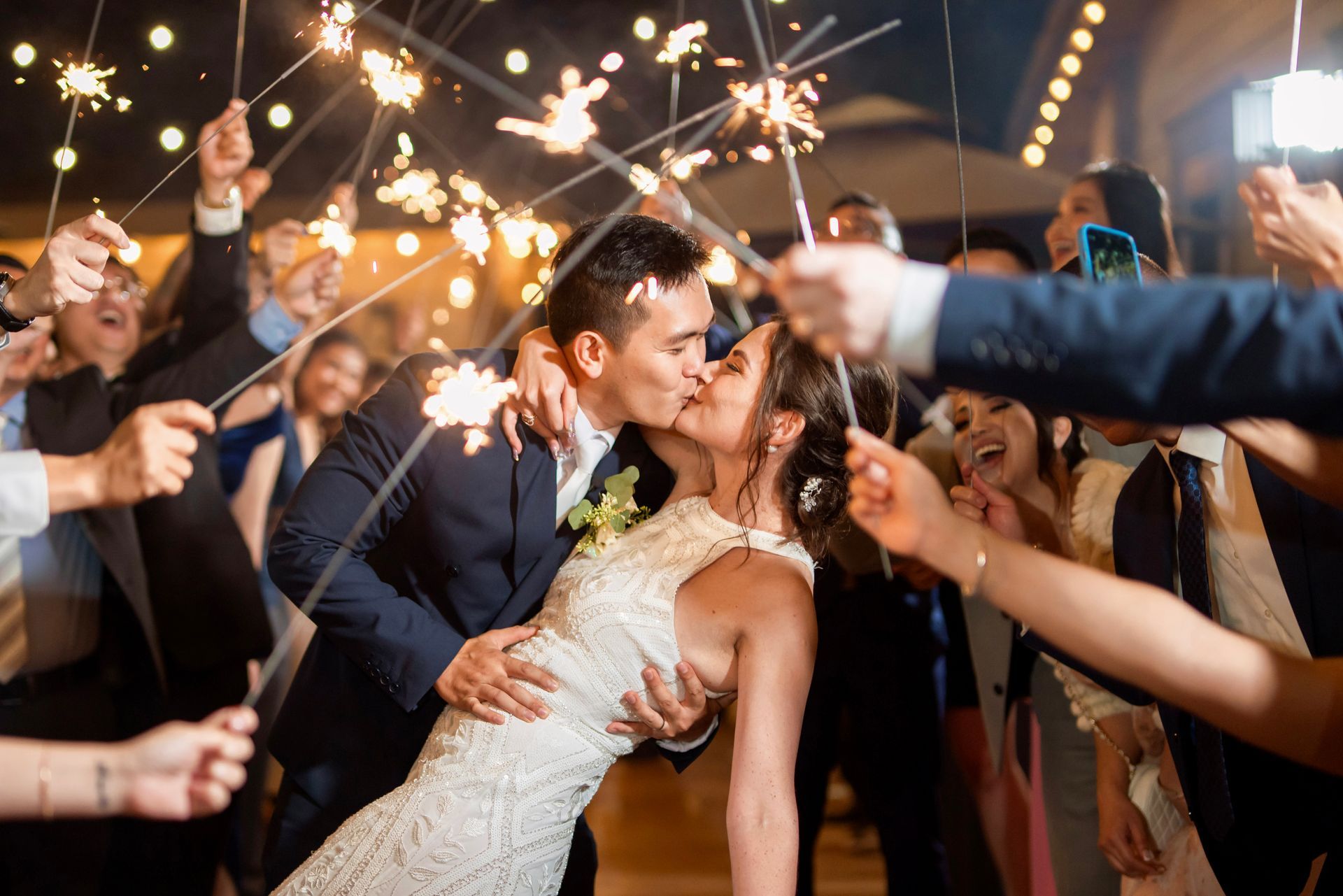
The first look lasts seconds. Your grandmother’s hand in yours during the ceremony may pass in a quiet instant. The room changes the moment the music begins, and suddenly the day you planned for months is moving faster than expected. A wedding photographer does more than record those moments. They preserve the feeling, polish the story, and give you a way to return to it with clarity for years to come.
Choosing that person is not simply a matter of finding beautiful images online. It is a decision about trust, timing, aesthetic alignment, and the experience you want to have while being photographed. The right fit brings calm to a full day and creates imagery that feels refined without feeling staged.
Start With the Feeling You Want to Remember
Before comparing packages or searching by location, consider what you want your wedding photographs to communicate. Some couples are drawn to editorial images with composed, fashion-forward direction. Others want documentary coverage that favors spontaneous expression and the energy of the room. Many want a thoughtful balance: portraits with intention, alongside candid images that preserve the laughter, anticipation, and unplanned beauty of the day.
There is no universally correct style. A dramatic city celebration may invite a different visual approach than an outdoor estate ceremony or an intimate family gathering. What matters is that the photographer’s portfolio shows a consistent point of view that feels like an elevated version of your own vision.
Look beyond a few standout images. Notice the color, use of natural and artificial light, skin tone, composition, and emotional range across full galleries. A strong portfolio should show that the photographer can make a sunlit ceremony, a low-light reception, formal family portraits, and fast-moving dance floor moments feel equally considered.
What a Wedding Photographer Should Bring to the Day
Technical ability matters, but it is only part of the service. A wedding photographer is also a visual director, timekeeper, problem-solver, and steady presence in close proximity to the people you love. Their working style affects your experience as much as their final images do.
During the consultation, ask how they guide couples who do not spend their lives in front of a camera. The best direction is clear and flattering, never overly rigid. You should know where to stand, what to do with your hands, and when to simply be present with each other. A photographer who understands natural movement can create polished portraits without turning every moment into a pose.
Equally valuable is their ability to work with your planner, venue team, videographer, family, and wedding party. A well-run photo schedule protects time for the images you care about while allowing the day to remain joyful. If a family member is late, rain shifts the ceremony indoors, or the reception timeline changes, experience becomes visible in the photographer’s composure and decisions.
Ask About Their Process, Not Just Their Price
Pricing should be transparent, but it should not be the only measure of value. Two photographers can offer similar hours of coverage while providing very different levels of planning, art direction, editing, and support.
Ask what happens between booking and delivery. Will there be a planning call? Do they help build a realistic photography timeline? Can they advise on first-look timing, portrait locations, family groupings, or the best light at your venue? These details reduce uncertainty and often create more time for the relaxed, meaningful photographs couples value most.
It is also wise to understand what is included after the event. Professional retouching, curated proofing, download access, album design, turnaround expectations, and image usage should all be clear before you sign. Wedding imagery is both an heirloom and a highly personal record. You deserve a process that treats it with appropriate care.
Match the Photography Style to Your Wedding Design
Your photographs will carry the visual language of your day long after the flowers are gone and the tables have been cleared. Consider how the photography will work with your venue, wardrobe, stationery, florals, and overall design.
For a formal black-tie wedding, you may want portraits with elegant structure, intentional lighting, and sophisticated detail work. For a coastal ceremony or garden celebration, you may prefer imagery that lets movement, landscape, and changing light play a larger role. Neither approach should feel generic. Great wedding photography responds to the environment rather than forcing every event into the same visual formula.
Pay special attention to the photographer’s indoor work. Many wedding days include mixed lighting, dark reception rooms, window light, candles, and colored dance floor illumination. A gallery that looks beautiful only in perfect daylight does not tell you enough. The work should retain depth, natural-looking skin tones, and a sense of atmosphere under challenging conditions.
Review Full Galleries With a Practical Eye
Social media is useful for discovering style, but it is selective by nature. Request full wedding galleries that resemble your own event in scale, venue type, or lighting conditions. This is where you can evaluate consistency.
As you review, ask yourself whether important people are represented thoughtfully. Do the images show both broad scenes and close emotional details? Are group portraits organized yet relaxed? Does the story move naturally from preparation through the final celebration? Most importantly, can you imagine yourself in those photographs?
A portfolio should make you feel confident in the artist’s eye, but a full gallery reveals their discipline. You are hiring someone to perform beautifully over an entire wedding day, not only during a handful of ideal moments.
Create Space for the Photographs That Matter Most
The best wedding images need more than talent. They need a little room in the schedule. A compressed timeline can make even a beautifully designed day feel hurried, especially when travel, family portraits, weather, and reception details are involved.
Build a focused list of priorities with your photographer. It may include a quiet portrait session at sunset, a photograph with each grandparent, detailed images of an heirloom, or a few minutes alone after the ceremony. This is not about turning the day into a production. It is about making intentional space for the people and moments that deserve to be remembered.
Family formals are a good example. When groupings are decided in advance and one trusted person can help gather relatives, these portraits can be completed efficiently. That leaves more time for celebration, and it keeps the experience gracious for everyone involved.
If you are planning a multi-day wedding or destination event, consider whether additional coverage is worthwhile. A welcome dinner, cultural ceremony, rehearsal gathering, or farewell brunch can hold some of the weekend’s most personal interactions. The right choice depends on your priorities and budget, but these events often add dimension to the final story.
Choose Connection Alongside Craft
You do not need to become close friends with your photographer, but you should feel comfortable with them. They will be present during intimate, high-emotion parts of your day: getting ready, seeing each other for the first time, greeting family, and celebrating with the people closest to you.
A short consultation can reveal a great deal. Notice whether they listen carefully, ask informed questions, and speak about your wedding as a distinct occasion rather than a standard assignment. Confidence is reassuring. So is curiosity. The best photographers bring a well-defined creative perspective while making room for what matters specifically to you.
For couples planning across cities or coordinating a complex production, a networked service model can add useful flexibility. Art of Portraits pairs premium visual direction with vetted local photography talent, USA Photographers, Canada Photographers helping couples access a polished experience while keeping coordination clear and personal.
Make the Decision With Clarity
Once you have narrowed the choices, compare photographers on the elements that will shape the finished experience: portfolio consistency, personal connection, planning support, coverage structure, editing approach, and delivery process. Budget remains real, and every wedding has limits. Still, choosing solely by the lowest number can overlook the value of preparation, calm leadership, and photographs that retain their impact long after the event.
The right photographer will not make your wedding feel like a photoshoot. They will help you feel present in it. Give your visual story to someone whose artistry you admire, whose process you trust, and whose presence allows the day to remain entirely yours.
Share