Personal Branding Image Trends That Build Trust

A polished portrait is no longer a single LinkedIn requirement checked off once every few years. The strongest personal branding image trends reflect a larger shift: professionals are building visible, recognizable identities across websites, speaking platforms, social channels, press features, investor materials, and recruiting conversations. Your image needs to feel considered enough to signal credibility, yet human enough to invite connection.
For executives, founders, creatives, and rising leaders, the question is not whether a portrait looks professional. It is whether it communicates the right kind of professionalism for the work ahead.
The Move From Headshot to Visual Identity
A traditional headshot still has a place. A clean, direct portrait with thoughtful lighting remains indispensable for company directories, media requests, LinkedIn profiles, and bylines. But one image rarely supports the full range of modern professional visibility.
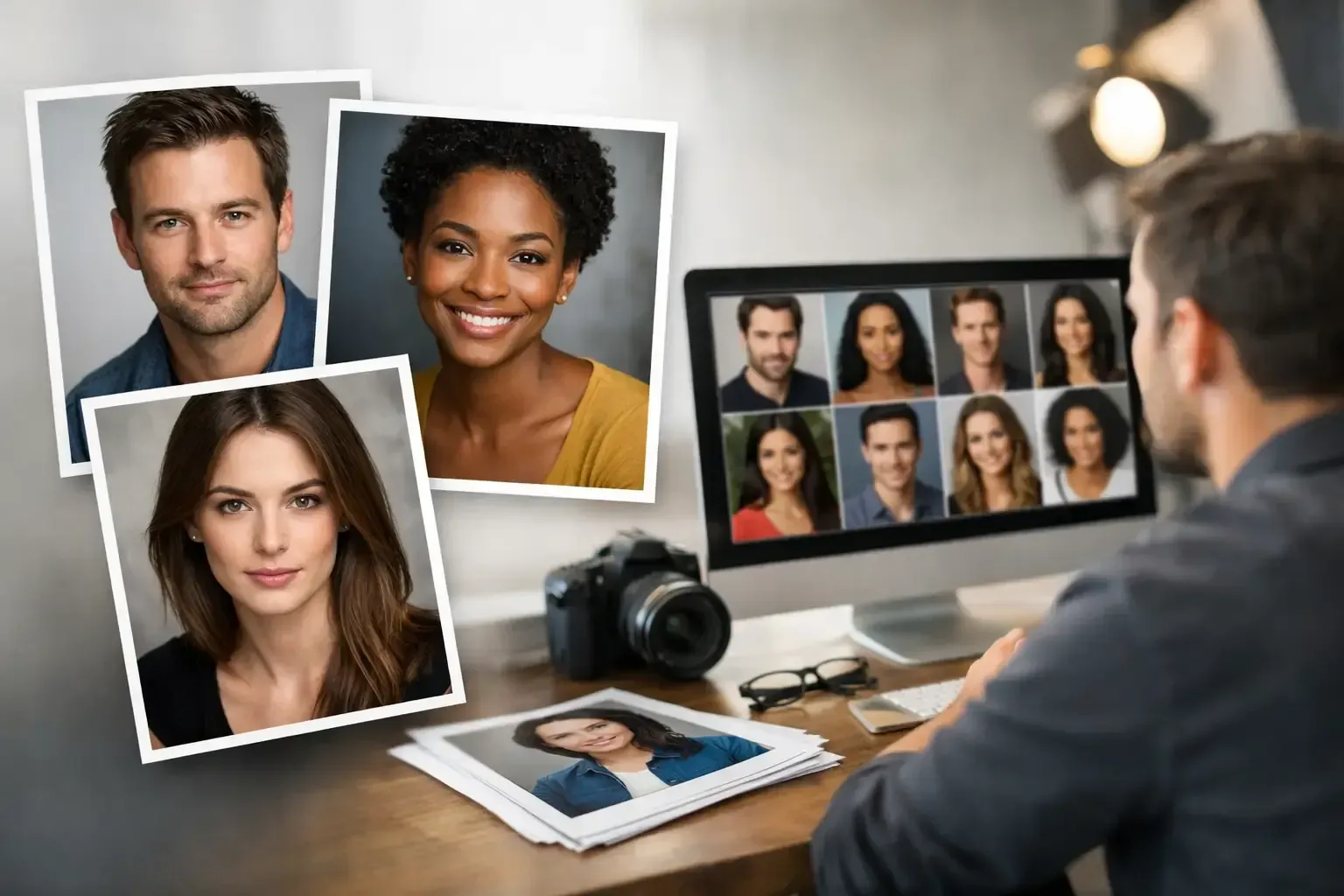
Personal brands now need a small, cohesive image library. That may include a confident primary headshot, environmental portraits that place someone in the context of their work, horizontal images with room for website copy, detail shots, and approachable editorial-style frames for social content. Together, these photographs create a visual language rather than a single introduction.
This does not mean every professional needs a dramatic campaign. A financial advisor, attorney, physician, or corporate leader may benefit most from elegant, restrained imagery. A designer, founder, speaker, or actor may have more latitude for expressive composition and color. The goal is alignment, not performance.
Personal Branding Image Trends Shaping Professional Presence
Editorial polish with a natural point of view
The most enduring trend is a move away from stiff, overly formal poses toward portraits that feel editorial and composed. Subjects may be seated, standing in motion, looking just off camera, or photographed within a refined work environment. The result should appear effortless, though it is carefully directed.
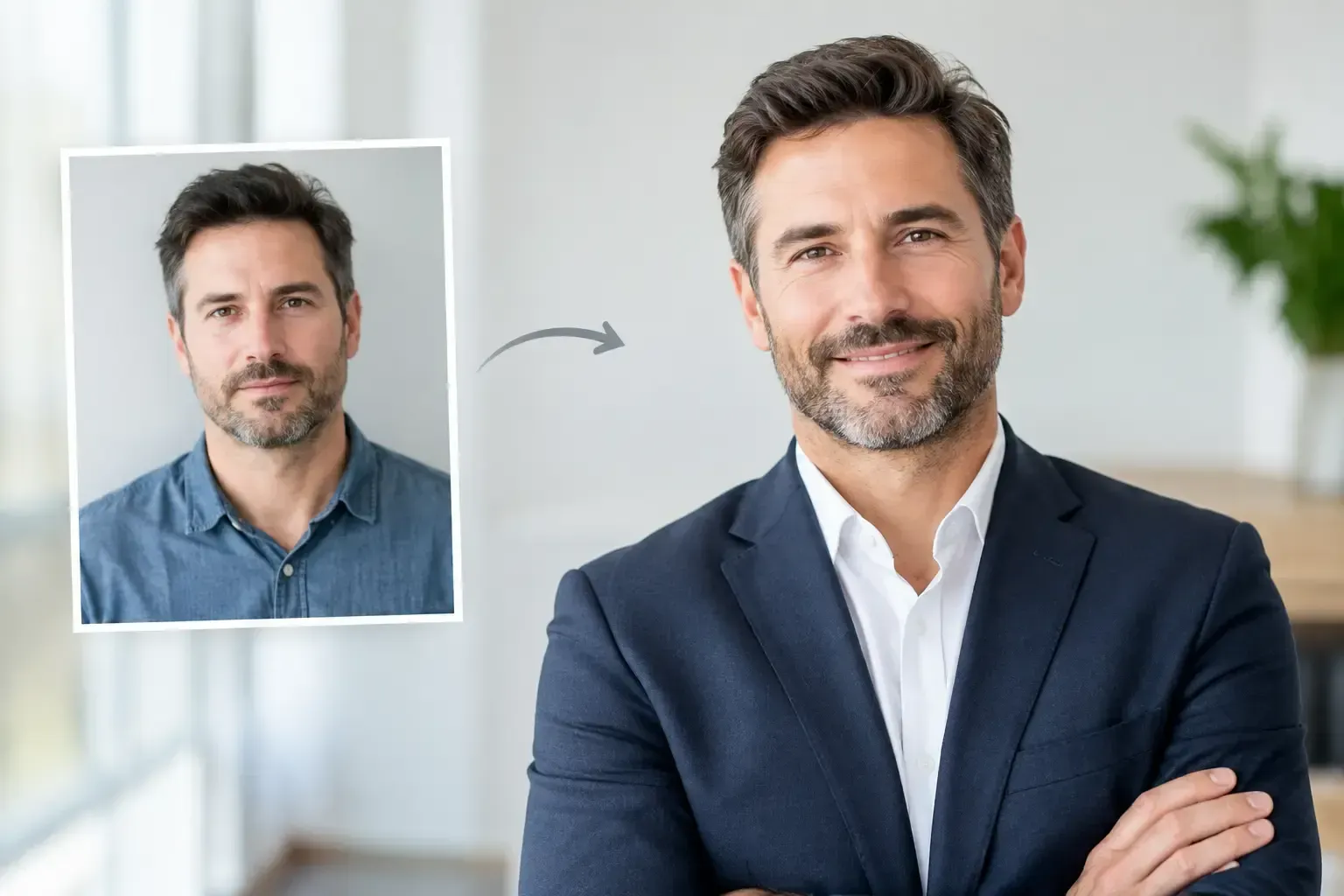
Natural does not mean unprepared. Professional styling, intentional lighting, and subtle retouching allow a portrait to retain texture and personality while still looking elevated. The best images avoid two extremes: a generic corporate backdrop that says little about the individual, and an overly stylized image that distracts from their expertise.
Context that supports the story
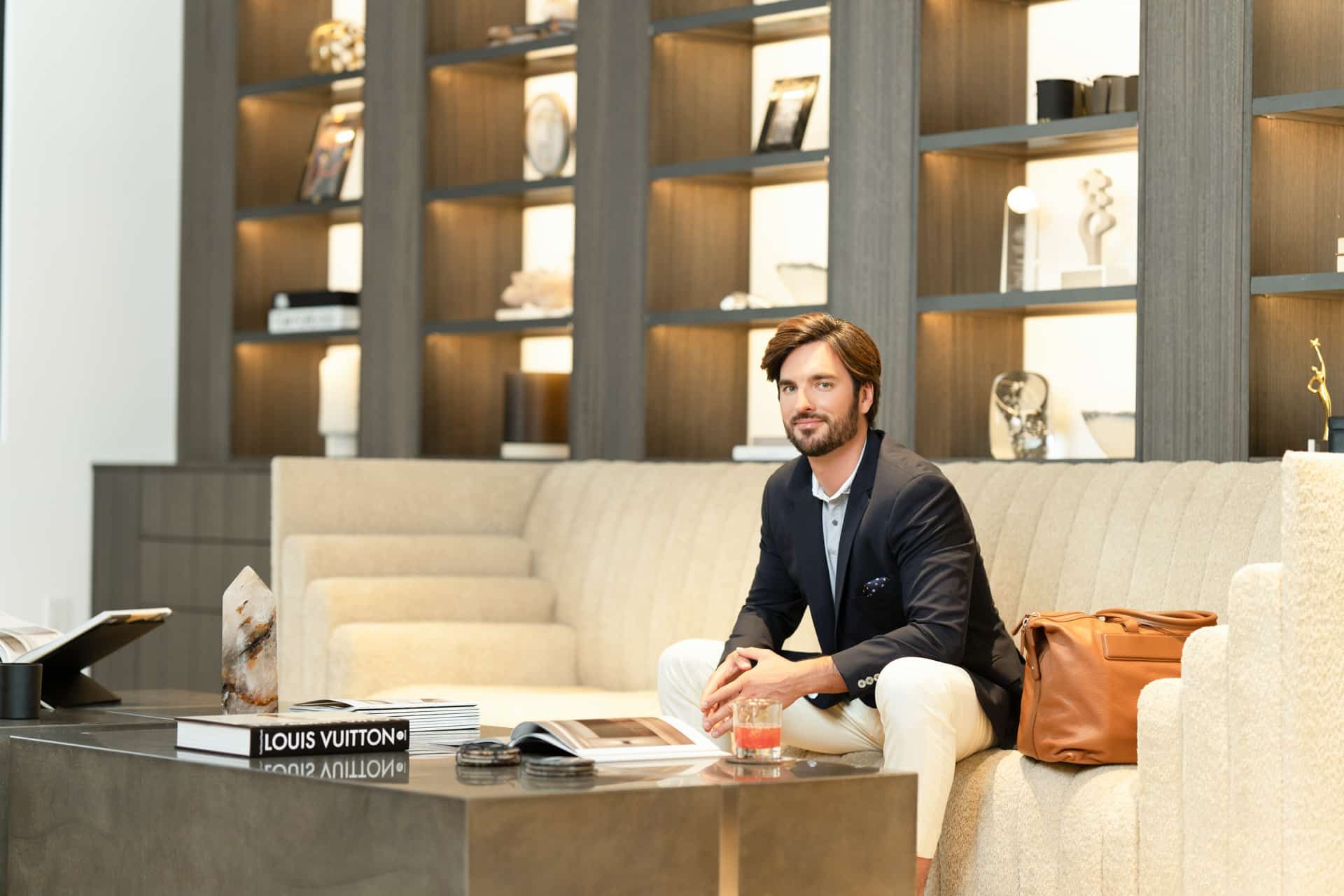
Environmental portraits are gaining ground because they quickly establish relevance. A founder photographed in a beautifully considered workspace can signal vision and momentum. A chef in a calm, light-filled kitchen can communicate craft. A consultant in a modern office or an architect on site can make their expertise more immediate.
Context must earn its place in the frame. A cluttered desk, a busy restaurant, or a trendy setting chosen only because it photographs well can weaken the message. The location should reinforce the brand's values, whether those are precision, warmth, creativity, discretion, innovation, or scale.
Softer authority
Professional imagery is becoming more approachable without becoming casual. Direct eye contact is still powerful, particularly for leadership roles, but softer expressions and relaxed body language can make expertise feel accessible. This is especially valuable for service professionals whose work depends on trust before the first conversation begins.
A welcoming image should not be mistaken for a less serious one. Poise, posture, wardrobe, light, and composition still carry authority. The shift is toward confidence that feels secure rather than distant.
Purpose-built crops for every platform
One of the most practical personal branding image trends is planning for multiple uses during the session itself. A tightly framed vertical portrait may work beautifully for LinkedIn, while a wide horizontal composition is more useful for a homepage banner, presentation cover, or editorial feature. Vertical images can support speaker promotions, social posts, and mobile-first layouts.
This is where photography becomes a business asset rather than a one-time deliverable. When the photographer knows where images will live, they can create intentional negative space for text, vary orientation, and build range without losing consistency. It also reduces the need to force one crop into every format later.
Color that feels personal, not accidental
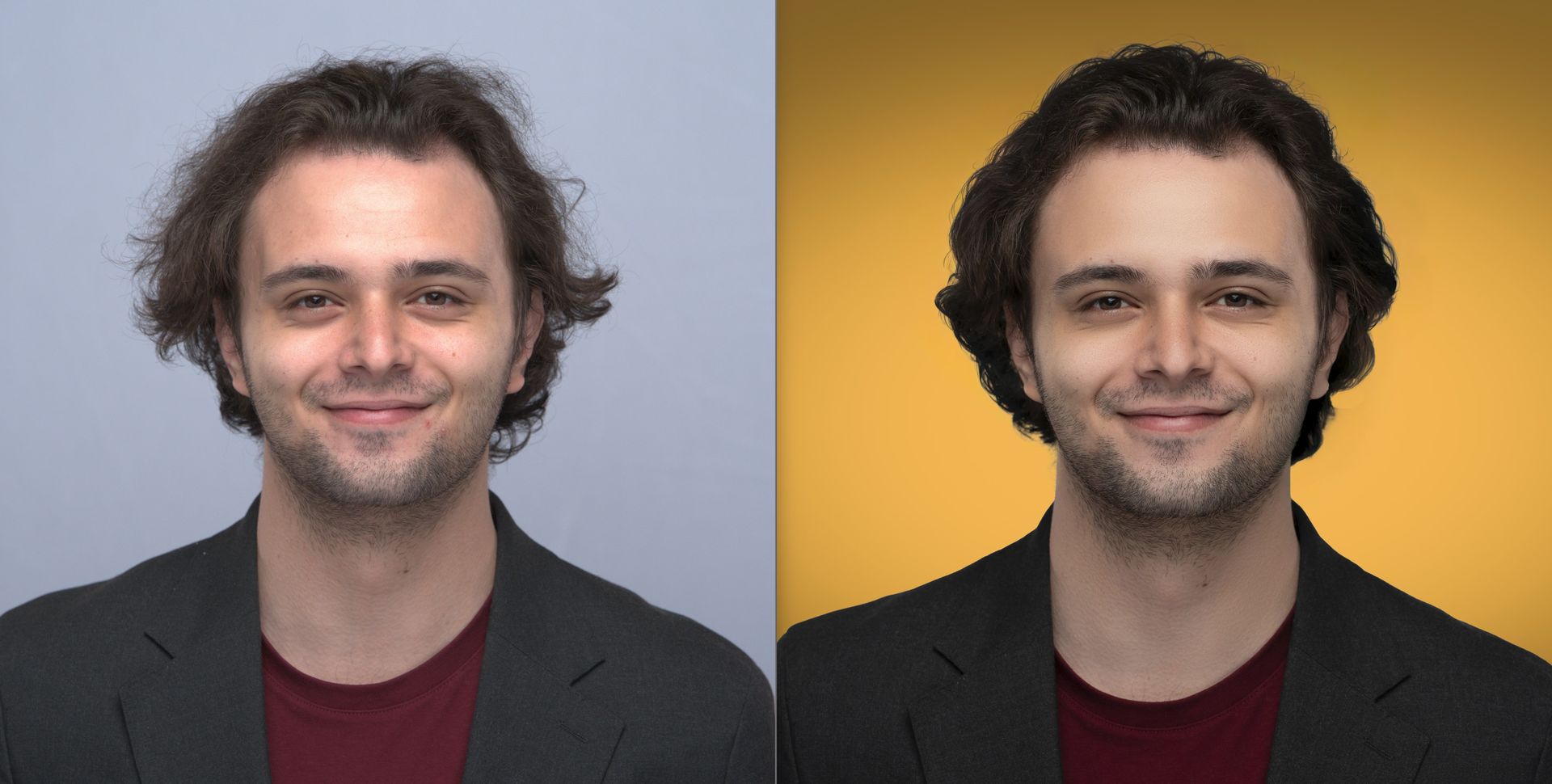
Neutral palettes remain timeless, but the current approach to color is more deliberate. Rich navy, warm stone, deep green, soft blue, and carefully selected brand colors can add depth without overpowering the person in the image. Color should support recognition and mood, especially when portraits will appear alongside a website, pitch deck, or brand identity system.
The trade-off is longevity. A highly seasonal color trend can make an image feel dated quickly. If your visual brand is established, use its palette as a guide. If it is still evolving, prioritize colors that flatter your complexion, photograph well, and will remain credible for several years.
Authentic retouching and real texture
Over-retouching has lost its appeal. Clients increasingly want photographs that look like their best, most rested, most confident selves - not a digitally altered stranger. Professional retouching remains essential for refining distractions, balancing skin tone, managing shine, and ensuring consistency across a gallery. The distinction is restraint.
For team photography, this approach matters even more. When one person is heavily edited and another is not, the difference can undermine the unified standard a company is trying to create. A thoughtful retouching process protects both individual authenticity and collective polish.
What These Trends Mean for Corporate Teams
For organizations, personal branding photography is no longer limited to the executive team. Sales leaders, subject-matter experts, recruiters, consultants, and client-facing staff all contribute to the public perception of a company. A consistent portrait program gives those individuals professional visibility while reinforcing the employer brand.
Consistency does not require identical photographs. In fact, teams often look stronger when the lighting, retouching, background approach, and overall level of refinement are aligned, while each person retains a natural expression and posture. This balance is particularly important for distributed organizations that need images created in multiple cities without losing visual continuity.
Operational planning is part of the creative standard. On-site sessions, clear wardrobe guidance, efficient scheduling windows, professional proofing, and fast delivery make it easier for busy teams to participate. The outcome is not simply a folder of headshots. It is a reliable set of image assets for recruiting, company websites, proposals, press, internal communications, and social advocacy.
How to Build a More Useful Personal Brand Session
Start with use, not aesthetics. Before choosing a location or outfit, consider where your images will appear in the next 12 to 24 months. A promotion, a new website, a speaking schedule, a book launch, a company rebrand, or a media campaign may all call for different image needs.
Then define the impression you want to make. Words such as strategic, inventive, grounded, polished, energetic, discreet, or approachable are more helpful than vague requests to look professional. They give your photographer a creative direction for lighting, posing, setting, wardrobe, and final selection.
Wardrobe should create options without competing for attention. Bring a few coordinated looks with varied necklines, layers, and tones. Avoid tiny patterns, prominent logos, and anything that feels restrictive enough to affect posture or expression. A tailored jacket may convey authority, while a more relaxed layer can provide range for an editorial or social-forward set of images.
Finally, leave room for direction. Few people arrive knowing how to pose naturally for the camera. An experienced photographer can adjust posture, hands, gaze, and movement in small ways that make a significant difference. The most compelling portraits tend to come from collaboration, not from trying to reproduce a saved image exactly.
Choose Trends That Still Look Like You
Trends are useful when they help your image feel current and relevant. They become unhelpful when they ask you to adopt a persona that does not match your work, audience, or ambitions. A premium portrait should remain believable when a prospective client, hiring manager, investor, or colleague meets you in person.
At Art of Portraits, that balance begins with an intentional consultation and ends with a refined library of images designed to work hard across the places your reputation is built. Choose the visual direction that makes your presence clearer, stronger, and unmistakably your own.
Build a Stronger Professional Image
From executive headshots to ongoing employee photography programs, Art of Portraits provides professional photography built around your organization.