How to Photograph Founders for Websites Well

A founder’s portrait often appears beside the most consequential words on a company website: the mission, the promise, the reason a client should believe. To photograph founders for websites well is not simply to create a flattering headshot. It is to make leadership visible in a way that feels credible, composed, and unmistakably aligned with the business they are building.
For an early-stage company, the founder may be the brand’s most familiar face. For an established firm, founder imagery can preserve the point of view and conviction behind the organization. Either way, the photographs need to work harder than a social profile image. They must hold attention, support the written story, and look at home across a website, press feature, investor deck, recruiting page, and executive communication.
Start With the Role the Founder Plays in the Brand
Before selecting a backdrop or directing a pose, clarify what the audience should understand when they see the founder. A technology leader may need to project clarity and forward momentum. A financial advisor may need a quieter sense of discretion and steadiness. A creative founder may benefit from imagery with more texture, movement, or environmental context.
The right visual direction is rarely about making someone look more formal or more casual. It is about matching the company’s actual character. If a brand speaks in precise, high-trust language, a highly stylized portrait in a busy setting can create friction. If the business is built on imagination and human connection, a rigid studio image may feel too distant.
A short creative consultation makes this distinction practical. Review the website’s colors, typography, existing imagery, audience, and planned placements. Ask where the images will live and what action each page asks visitors to take. A portrait for an About page can carry more personality than the compact image needed for a homepage leadership module. Planning for both prevents a strong photograph from becoming difficult to use.
Photograph Founders for Websites With a Clear Image System
The most effective founder photography is not a collection of unrelated images. It is a flexible visual system that gives a marketing team options without diluting the founder’s presence.
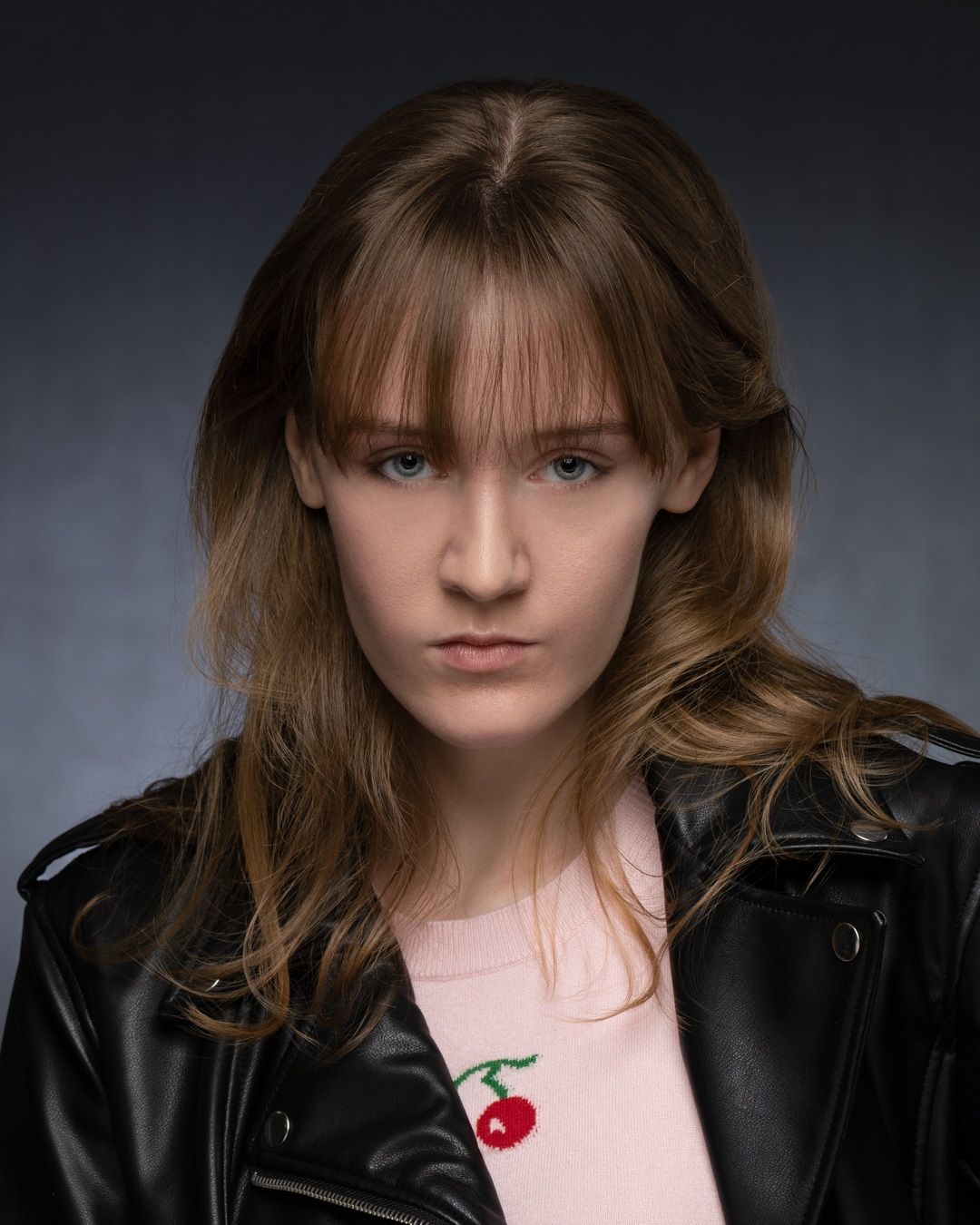
Start with the essential portrait: a direct, well-lit image with clean composition and enough negative space for website cropping. This is the image that can serve LinkedIn, press requests, speaker bios, and leadership pages. From there, build a purposeful range. A three-quarter portrait, a seated frame, a walking image, and a moment of interaction with the work or team can add dimension to a site without making it feel overly staged.
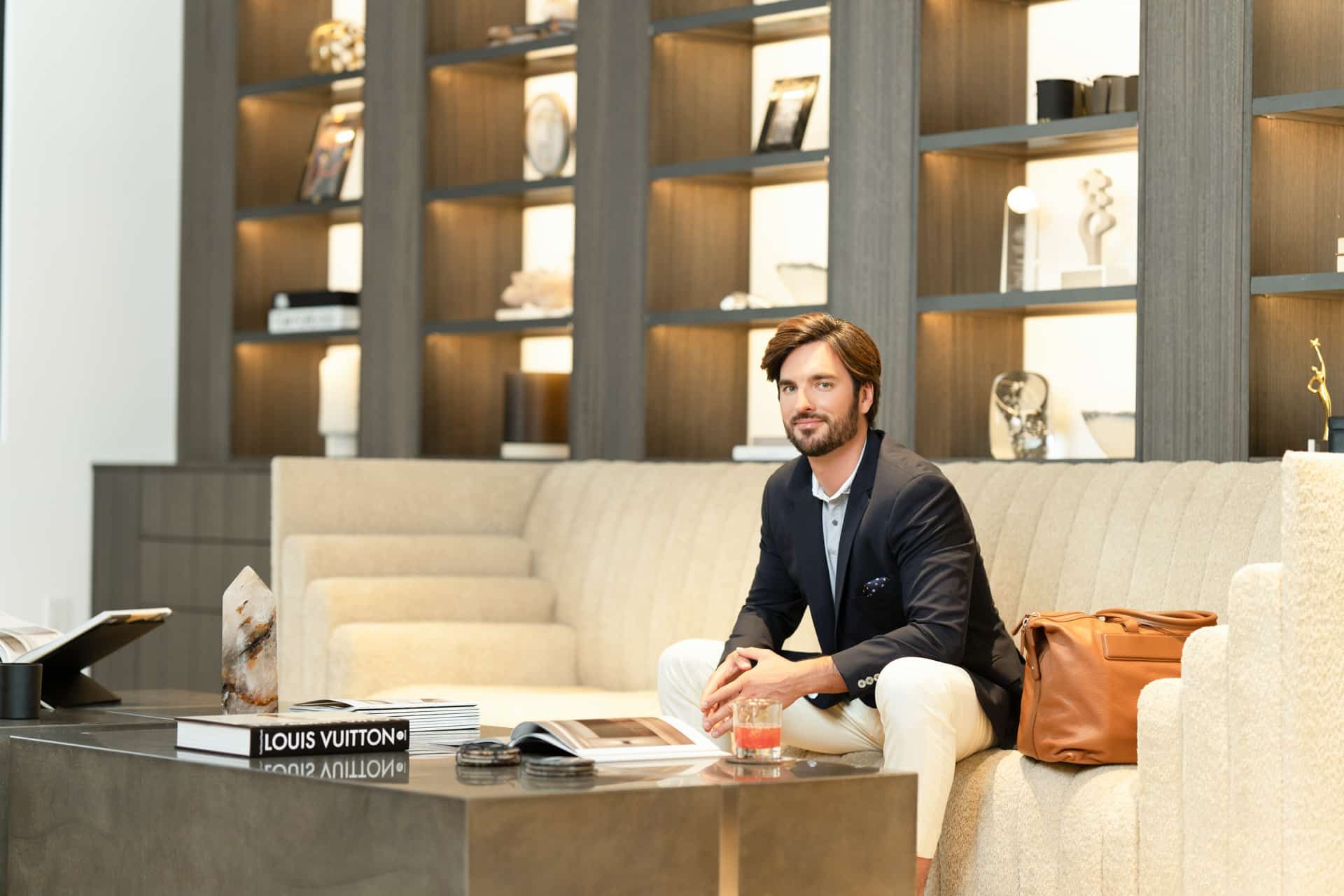
Environmental portraits are particularly useful when the location communicates something real. A founder in a beautifully designed office, workshop, clinic, restaurant, or production space gives visitors a more immediate understanding of the business. The setting should support the story, not compete with it. Cluttered desks, distracting signage, and overly literal props can make an image date quickly.
For many brands, the strongest approach combines a controlled portrait setup with a limited set of environmental images. The controlled setup creates consistency and easy usability. The environmental work brings warmth, scale, and context. The balance depends on the brand. A law firm may need more restraint; a design studio or hospitality group may want a larger share of candid-feeling, location-based imagery.
Design for Website Crops, Not Just Full Frames
Website layouts change. A photograph that looks exceptional as a full vertical frame may lose its impact when cropped into a horizontal banner, square card, or narrow mobile placement. During the session, create intentional variations with the founder positioned left, right, and center. Leave room around the subject where copy may appear.
This is especially important for hero sections. If the founder will sit beside a headline, their gaze and body position should guide attention toward the message rather than away from it. A photographer and web team do not need to over-direct every pixel, but a little forethought makes final assets far more versatile.
Create Presence Without Performing
Many founders are accustomed to presenting ideas, hiring teams, and making difficult decisions. Being photographed can still feel unusually exposed. The camera asks for stillness, and the pressure to appear confident can quickly produce a guarded expression.
Good direction makes room for the person rather than imposing a stock version of leadership. Begin with simple adjustments: lengthen posture, relax the shoulders, shift weight naturally, and give the hands a believable purpose. Then create conversation. Ask about the company’s early days, a customer problem they care about solving, or the moment they knew the business could grow. Genuine engagement changes the eyes and softens the face in ways a command to “smile” never can.
Confidence on camera should look lived-in. An overly intense expression can read as unapproachable; an overly cheerful one can feel disconnected from a serious brand. The ideal expression depends on the founder and the audience, but it should feel recognizably theirs. Polished does not mean generic.
Wardrobe deserves the same intentionality. Choose clothing that reflects the founder’s real professional identity while photographing well under the planned lighting. Solid colors and refined texture generally translate better than small patterns or prominent logos. A second jacket, blouse, or layer can create visual variety without forcing a full wardrobe change. The goal is not to disguise personality. It is to remove distractions so presence comes through clearly.
Use Lighting That Matches the Brand’s Level of Trust
Lighting is one of the fastest ways to signal how a company sees itself. Soft, sculpted light can feel editorial and elevated. Brighter, open light can feel approachable and contemporary. Directional light with controlled shadow can add authority and dimension for a more established or premium brand.
There is no universal “best” founder lighting style. A health and wellness founder may need warmth and ease. A founder leading a high-end architecture practice may suit more graphic, considered light. What matters is consistency between the portrait and the rest of the site. If the website is minimalist and sophisticated, the photography should not feel like an event snapshot. If the business emphasizes accessibility and community, images should avoid becoming so formal that they feel remote.
Natural light can be beautiful, but it is not automatically the most reliable choice. It changes quickly, can complicate scheduling, and may not produce consistent results across multiple founder or executive sessions. Professional lighting gives more control over skin tone, background, and repeatability, particularly for distributed teams or companies that expect to add leaders over time.
Retouch for Credibility, Not Perfection
Founder portraits should be carefully finished, but excessive retouching can weaken trust. Visitors notice when skin texture disappears, facial structure changes, or an image feels disconnected from the person they meet on a video call or in a pitch meeting.
Professional retouching should refine rather than rewrite. Temporary blemishes, under-eye shadows, flyaway hair, and distracting clothing details can be addressed while preserving the founder’s character. The final result should feel rested, polished, and accurate.
Proofing is valuable here. Give the founder a thoughtful selection of strong images rather than an overwhelming volume of near-duplicates. They should have confidence in the final choice, while the marketing team should have files prepared in the dimensions and formats needed for the website and broader brand use.
Plan for Scale When the Leadership Team Is Growing
A founder session often becomes the visual standard for the rest of the executive team. That is a reason to document the approach: background, lighting, lens perspective, framing, wardrobe guidance, and retouching style. Consistency helps a leadership page feel like one company rather than a set of disconnected portraits gathered over several years.
For organizations with offices in multiple cities, standardized direction matters even more. A distributed photographer network can produce location-specific sessions while maintaining the same visual language across markets. This preserves efficiency for busy leaders and gives the marketing team images that belong together.
Art of Portraits approaches this process as both a portrait experience and a brand production decision, with tailored planning, art-directed photography, polished retouching, and assets designed for the places leaders are seen.
The most compelling founder photograph does not need to announce authority. It lets visitors feel it. Give the session enough thought to reveal the conviction, intelligence, and humanity already behind the business, and the website will have something far more persuasive than a placeholder portrait.
Ready to bring your vision to life? Let’s create images that make an impact.