Portrait Photography That Builds Real Presence
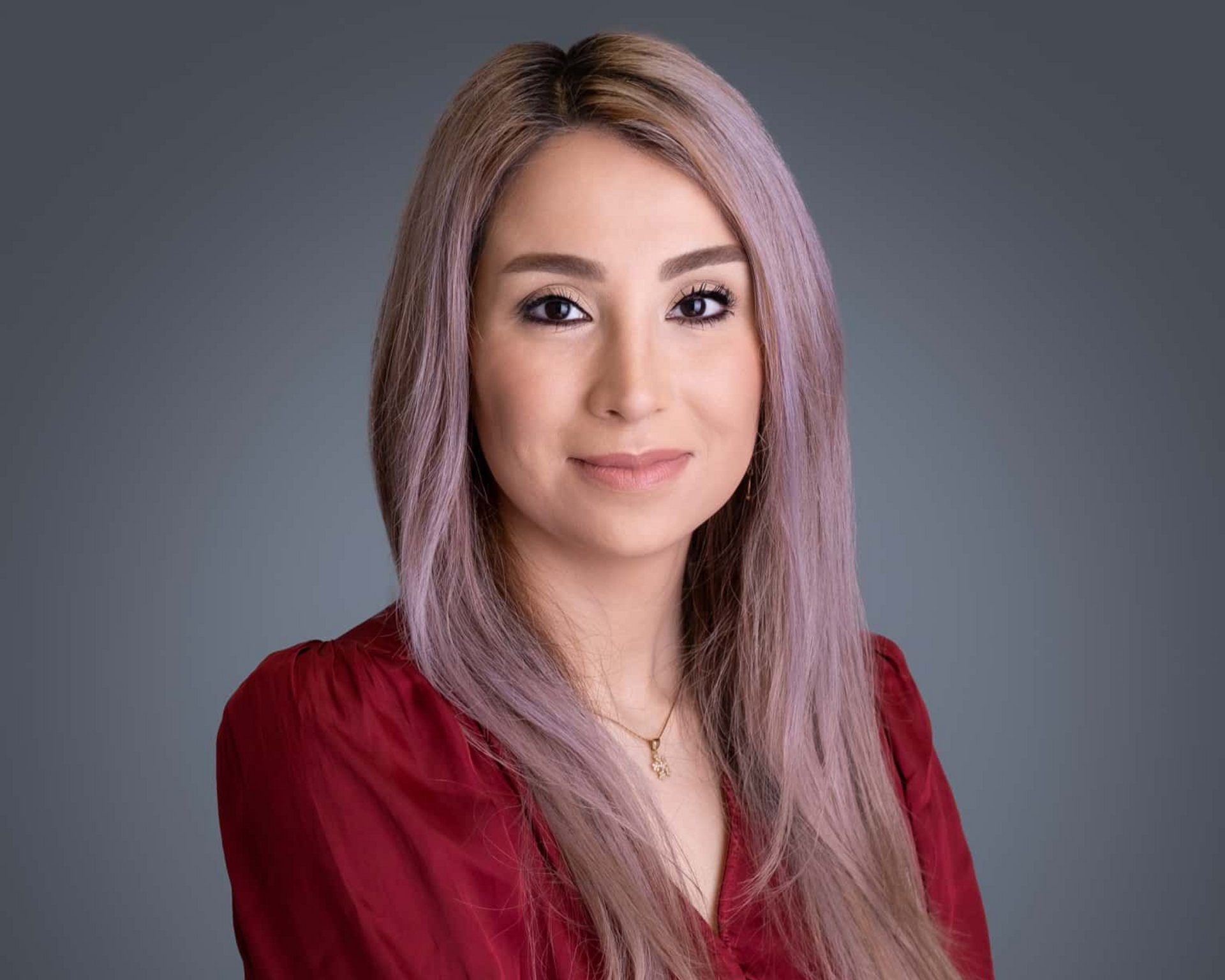
A portrait is often seen before a conversation begins. It appears beside a byline, on a company website, in a casting profile, or at the top of a LinkedIn page where a prospective client is deciding whether to get in touch. Portrait photography is not simply a record of what someone looks like. At its best, it is a considered expression of credibility, character, and presence.
For individuals, a strong portrait can make an ambitious career move feel more tangible. For organizations, it can bring consistency and warmth to a leadership page, recruiting campaign, or distributed team. The difference is rarely one dramatic pose or expensive piece of equipment. It is the result of intention: knowing what the image needs to communicate, then shaping every creative and practical decision around that purpose.
Why Portrait Photography Is a Strategic Asset
People make fast judgments from visual cues. A polished portrait suggests preparation, care, and confidence. A poorly lit or outdated image can send the opposite message, even when the person behind it is highly capable. That does not mean every portrait must feel formal or highly produced. It means the visual style should be aligned with the setting in which it will work.
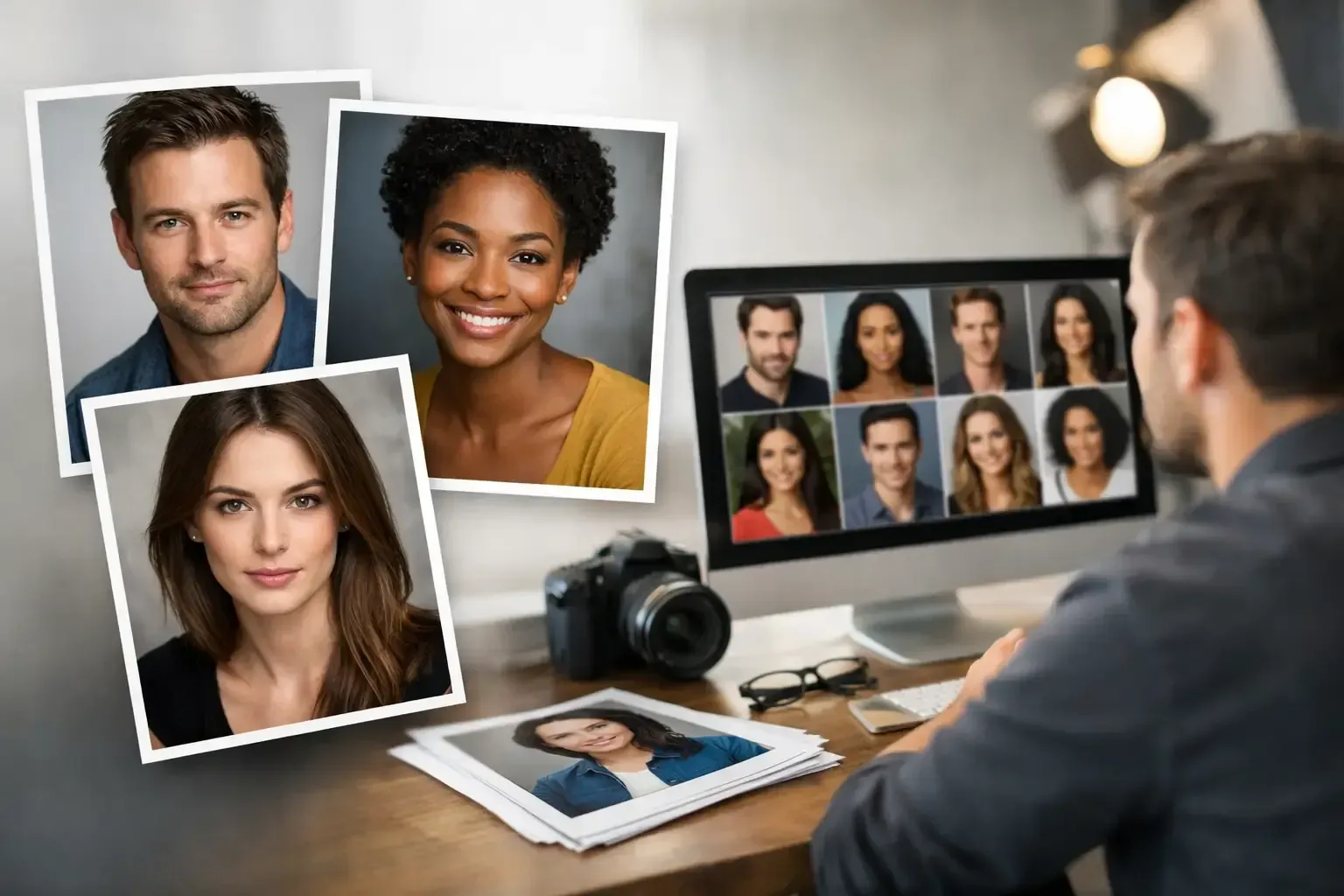
An executive portrait may need quiet authority and a refined, consistent finish. A founder’s personal-branding session may call for greater energy, environmental detail, and a more conversational expression. An actor’s headshot has a different job altogether: it should make casting professionals feel they can recognize the real person in the room. Families, graduates, and couples may be less concerned with professional positioning, yet they still benefit from a process that preserves connection, personality, and the significance of the occasion.
The strongest images feel natural because the planning behind them is deliberate. They are designed to be useful, whether that means fitting a square social profile, leaving space for campaign copy, or creating a consistent visual system across hundreds of employee headshots.
Begin With the Outcome, Not the Camera
Before choosing a backdrop, outfit, or location, define where the photographs will live. This simple step prevents a common problem: creating a beautiful image that does not fit the actual use case.
A corporate team may need horizontal and vertical variations for a website, internal directory, press announcements, and recruiting materials. A consultant may need one polished close-up for LinkedIn, then broader lifestyle portraits for a speaker page and social content. A recent graduate might need an approachable professional image now, while also wanting a few more relaxed portraits that feel personal rather than staged.
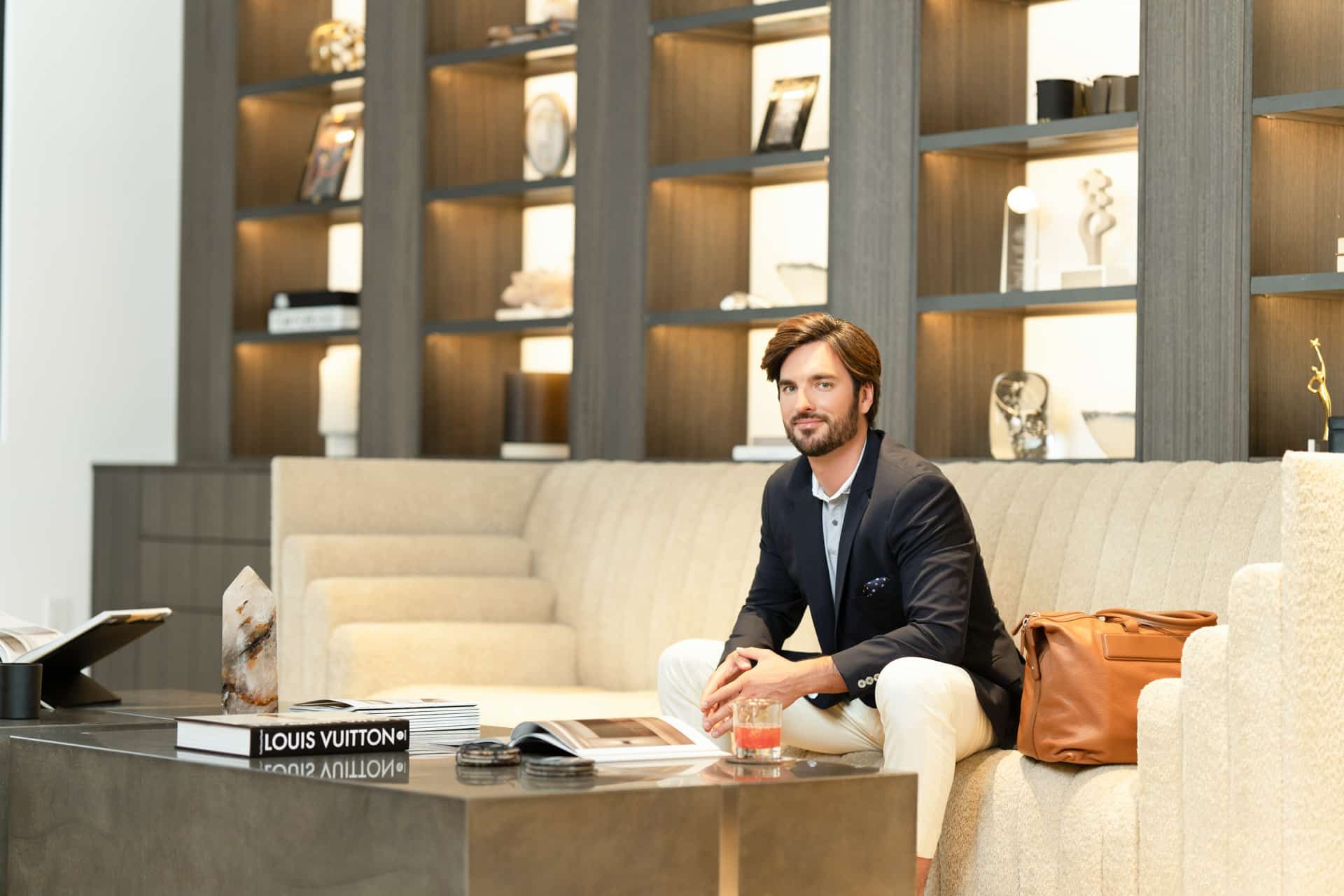
The intended outcome guides the visual language. Studio portraits offer control, clean backgrounds, and repeatable lighting - particularly valuable for company-wide consistency. On-location portraits can add context and dimension, showing a designer in a creative workspace or a hospitality leader within a signature property. Neither approach is inherently better. A studio approach usually supports efficiency and standardization; an environmental setting often adds narrative and personality. The right choice depends on the brand, audience, and distribution plan.
For larger organizations, this conversation should also address scale. If team members work across multiple cities, standards for lighting, crop, background, pose, and retouching should be established before the first session. Consistency is not about making everyone look identical. It is about ensuring every person is represented with equal care under a shared visual standard.
The Details That Shape a Confident Portrait
Great portraiture is built through a series of small decisions that support the subject rather than distract from them. Lighting is central. Soft, directional light can create dimension and warmth, while more graphic lighting may suit a fashion-forward campaign or creative editorial. The goal is not to chase a trend. It is to choose light that flatters the person and serves the desired tone.
Wardrobe matters for the same reason. Clothing should feel like a more polished version of what the subject would naturally wear in an important professional setting. Solid colors and subtle textures tend to photograph well, while very small patterns, visible logos, or overly reflective fabrics can pull attention away from the face. A tailored blazer may communicate leadership in one session; a relaxed knit and open collar may better reflect a modern, approachable brand.
Comfort has an equally visible effect. People who feel rushed, self-conscious, or unclear about what to do often carry that tension into the frame. A thoughtful photographer creates direction without making the experience feel rigid. Minor adjustments to posture, shoulder angle, chin position, and hand placement can transform a pose, but the final image should never look over-directed.
Expression is where technical skill becomes human connection. The right expression is not always a broad smile. It may be calm, focused, welcoming, creative, or quietly assured. A skilled session gives the subject room to find that expression rather than demanding it on command.
Retouching Should Refine, Not Rewrite
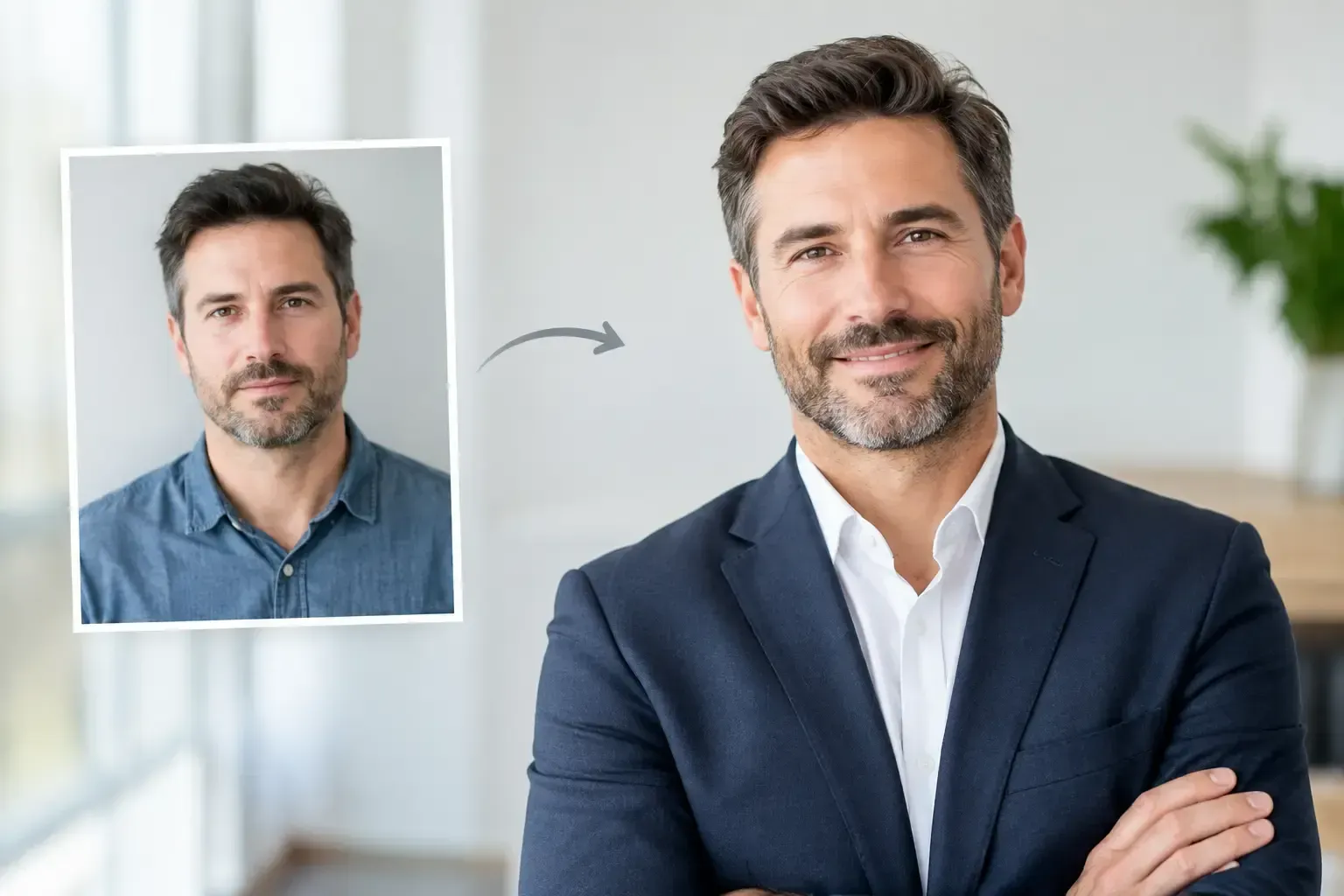
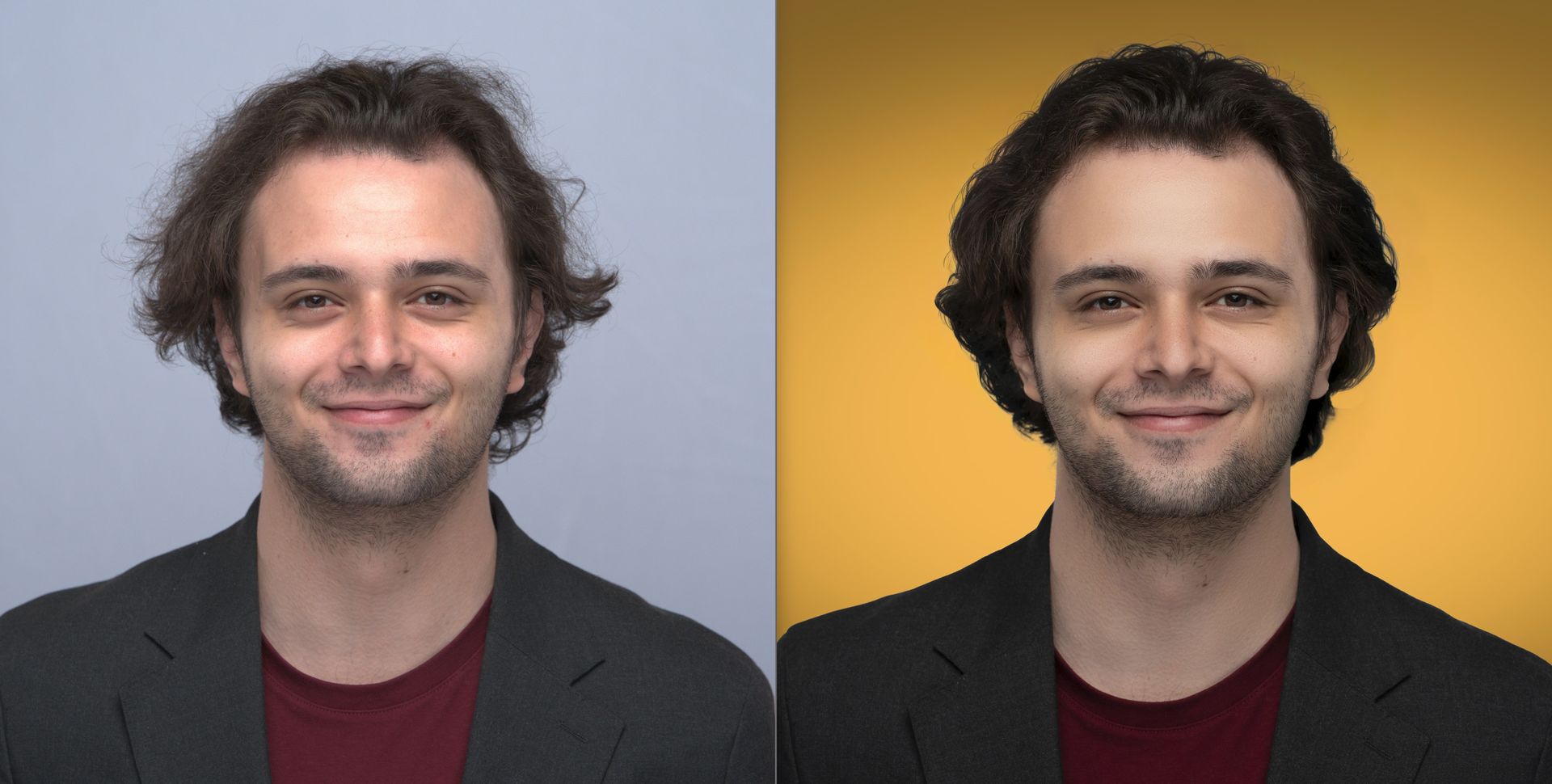
Professional retouching is part of a finished portrait, but restraint is a mark of quality. Skin tone should remain true, eyes should look rested rather than artificial, and temporary distractions can be softened without erasing the features that make a person recognizable.
Over-retouching can undermine trust. It creates an image that may look technically smooth but feels disconnected from the person clients, colleagues, or casting teams will meet. The most effective approach preserves authenticity while refining the image for professional use.
A Better Process for Individuals and Teams
A well-run session removes the uncertainty that causes most people to dread being photographed. It begins with a consultation that identifies the purpose, visual direction, usage needs, location, timing, and wardrobe considerations. That preparation lets the creative work feel effortless on the day.
For an individual session, the experience should allow enough time to settle in, make small adjustments, and create variety. A single look may be exactly right for a focused LinkedIn update. For a personal brand or commercial campaign, multiple outfits and settings can provide a broader library of usable content. More variety requires more planning, but it can extend the value of the session across months of marketing activity.
For teams, operational details deserve the same attention as the photographs themselves. On-site sessions should be scheduled in a way that limits disruption. Clear arrival instructions, realistic appointment windows, and a predictable proofing process help employees feel prepared. A dedicated production partner can coordinate everything from local photographer coverage to image standards and final delivery, making it easier for marketing and people teams to maintain momentum.
Art of Portraits approaches this work as both an artistic collaboration and a practical production process. That balance matters when a portrait needs to look exceptional and move efficiently through real business workflows.
What Makes an Image Last Beyond the Session
A portrait becomes more valuable when it is created for more than one moment. Rather than treating the session as a one-time transaction, consider the image library it can produce. A refined headshot can serve a LinkedIn profile, professional bio, conference program, and press feature. Wider crops and environmental portraits can support a website refresh, social media calendar, recruitment materials, or launch campaign.
This does not mean every session needs dozens of final images. Sometimes one exceptional portrait is the right answer. The key is selecting final files with intention and receiving them in formats that work for their purpose. High-resolution files support print and broader design needs; web-ready versions simplify digital publishing. Consistent naming, proofing, and delivery may sound operational, but they protect the investment by making images easy to find and use.
Portraits also age. A professional image should be revisited when a person’s role, appearance, company identity, or goals have meaningfully changed. For a leadership team, regular updates help prevent a website from becoming a patchwork of old and new styles. For individuals, an updated portrait can be a practical signal that a new chapter has begun.
Portrait Photography Should Feel Like You
The most successful portrait does not ask someone to perform a version of themselves that feels unfamiliar. It creates the conditions for their strongest, most appropriate presence to come forward. That is why communication before the session, thoughtful direction during it, and refined finishing afterward all matter.
Whether the goal is a leadership portrait, a talent headshot, a family milestone, or a unified team gallery, start with the message you want viewers to receive. Then choose a process designed to make that message visible. When the final image feels both elevated and genuinely true, it will continue working long after the camera is packed away.
Build a Stronger Professional Image
From executive headshots to ongoing employee photography programs, Art of Portraits provides professional photography built around your organization.