Elevate Your Brand with Professional Portraits

Professional portraits are photographs planned around your identity, audience, and the places your image will appear. A useful session produces more than a flattering headshot: it gives you images that introduce you clearly across your website, professional profiles, and business materials. Start with the impression you want to make, then choose a photographer, setting, and visual style that support it.
What makes a professional portrait effective for your brand?
An effective brand portrait makes you recognizable while communicating qualities relevant to your work. Expression, clothing, lighting, and surroundings should support the same message rather than compete for attention. The National Portrait Gallery highlights pose, setting, composition, lighting, and camera angle as ways photographers convey a sitter’s identity.
Before collecting references, write three words you want the image to suggest. An independent consultant might choose “approachable, thoughtful, capable”; a designer might prefer “inventive, expressive, precise.” These are creative directions, not promises that every viewer will interpret the photograph identically.
Then connect those words to decisions. Should you look directly at the camera? Would a workplace add meaningful context, or simply clutter the frame? Give your photographer examples of images that feel right and explain why. “I like the relaxed shoulders and quiet background” is more useful than “make me look professional.”
Choose a portrait style around its purpose
Rather than treating one style as inherently more professional, match the image to its destination. Ask for a small, coordinated collection if you need both a profile picture and website imagery. Use these portrait photography ideas as starting points for your brief:
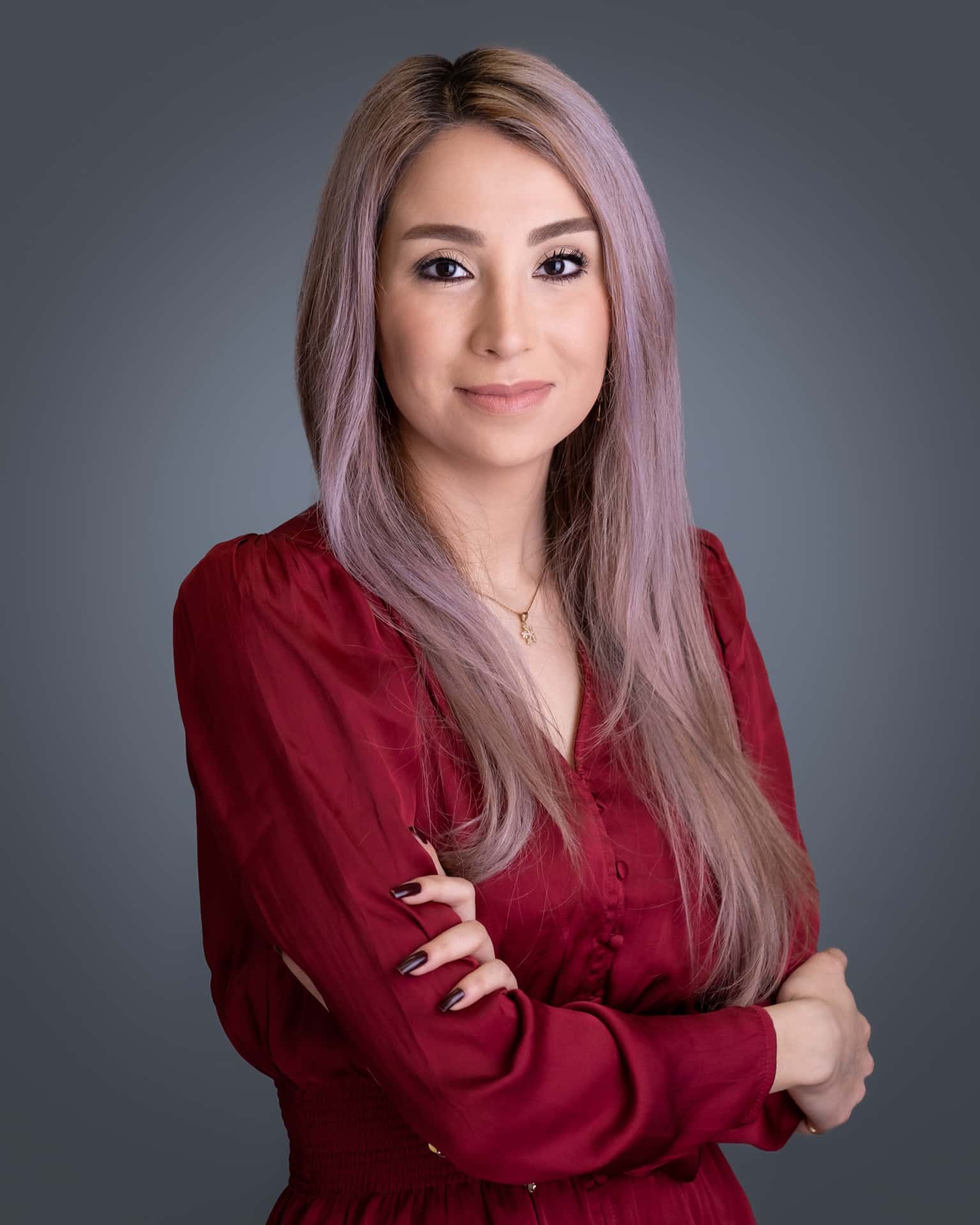
- Classic headshot: Choose a close composition and restrained background when your face needs to remain clear in a small profile image. Request breathing room around the head for different crops.
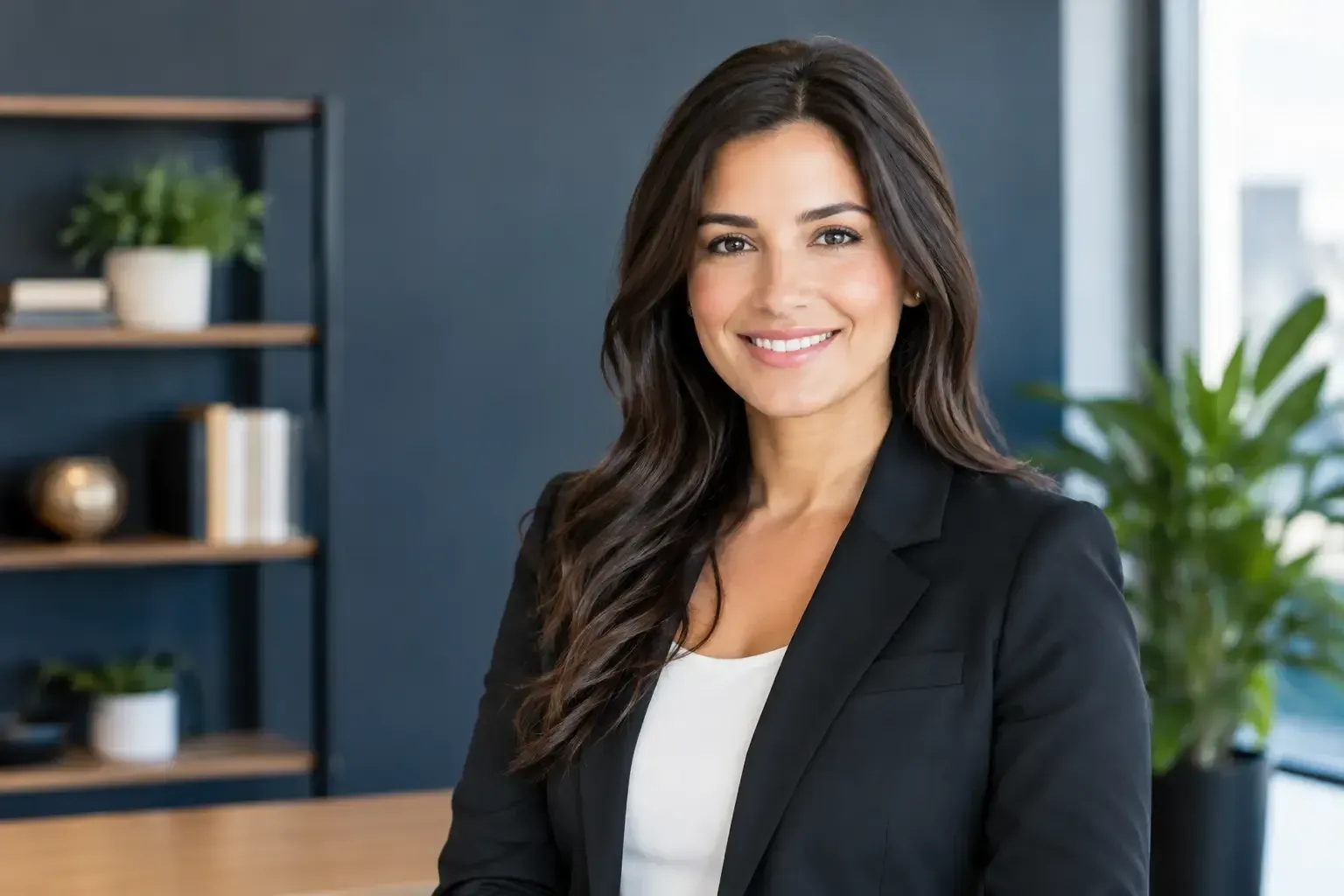
- Environmental portrait: Consider a studio, office, workshop, or other relevant setting when the location helps explain your work. Include only details that contribute to that story.
- Lifestyle branding portrait: Plan purposeful activities, such as reviewing sketches or preparing a workspace, when you need supporting images alongside your main portrait. Avoid staged busyness with no connection to your role.
For a classic photographic portrait, consider simple clothing, a deliberate pose, and a background that does not demand attention. For a more expressive brand, discuss color, movement, and unusual framing without losing sight of where the images will be used.
Lessons from famous photographers and portrait painting artists
When exploring portrait photography, famous photographers can help you identify visual choices worth discussing with your own photographer. Treat their work as a reference library, not a template to reproduce. The useful question is which element serves your identity.
Yousuf Karsh’s portrait of Winston Churchill was made after Churchill addressed the Canadian House of Commons on December 30, 1941. Look at the image’s concentrated expression and deliberate pose as an example of a portrait built around a strong impression. Your own version of authority need not look stern; use the reference to discuss intensity rather than imitate it.
Richard Avedon offers a different reference. The Metropolitan Museum of Art describes his mature white-background portrait style as stripped to essentials, without props or dramatic lighting. For a branding session, consider whether that kind of visual restraint would keep attention where you want it: on expression and presence.
Portrait painting artists offer equally useful material for a mood board. In John Singer Sargent’s Madame X, the twisting pose and nearly monochromatic palette are central compositional choices. When studying portrait paintings, notice the silhouette, placement of hands, and relationship between clothing and background—not just the sitter’s face.
You do not need an art-history vocabulary to use these references. Collect a few photographs and paintings, then annotate each with one observation: “clear outline,” “restrained color,” or “expressive hands.” This turns inspiration into a practical conversation rather than an impossible request to resemble someone else.
How can camera-shy clients get natural portraits?
Camera-shy clients should look for a collaborative session with clear direction, opportunities to pause, and no pressure to perform an unfamiliar personality. Ask prospective photographers how they guide people who dislike being photographed. Choose someone whose explanation makes the process feel manageable, not someone who simply promises that you will relax.
Discuss the experience before booking. You might prefer verbal instructions instead of physical adjustments, a quieter space, or time to understand each setup before shooting. If you are neurodivergent or have sensory preferences, describe the arrangements that would help; there is no need to disclose more personal information than you want to.
Useful requests include:
- A session outline: Ask what happens first, how location or wardrobe changes work, and when you can take breaks.
- Specific direction: Request instructions such as “turn slightly toward the window” rather than vague prompts to look confident.
- An agreed feedback approach: Decide whether reviewing a few images during the session would reassure you or make you more self-conscious.
You can also tell the photographer what feels unlike you. A broad smile, folded arms, or an energetic pose should be an option, not a requirement. Aim for an expression you would recognize from a comfortable professional conversation.
Prepare for the images you actually need
Make a short shot list before choosing outfits. Include the intended placement, orientation, and any space needed for text. For example, request a tight profile crop, a wider website portrait, and a contextual image for an introduction page.
Use this preparation checklist to keep the session focused:
- Bring familiar clothing. Try outfits while sitting and standing. Choose pieces that fit comfortably and suit the way you normally meet clients or colleagues.
- Coordinate without copying. For team portraits, agree on a broad level of formality and color direction rather than requiring identical outfits unless that is intentional.
- Plan grooming realistically. Keep your appearance recognizable. Bring simple touch-up items and ask what preparation the photographer recommends for the planned setup.
- Share layout examples. Show the photographer your website or profile format so compositions can leave room where needed.
- Choose meaningful props sparingly. Include a tool, notebook, or object only if you can explain its connection to your work.
Leave room for the photographer’s suggestions, too. Your brief should clarify priorities without prescribing every angle. Agree on the essential images first, then use any remaining session time for variations.
Select a photographer beyond the standout image
Start with portfolio fit, but ask to see several images from comparable sessions. Look for expressions, settings, and editing choices you would feel comfortable using yourself. Popular portrait photographers may provide inspiration, yet name recognition alone should not determine whom you book.
Compare proposals against the same written brief. Ask what the fee includes, how many finished images you receive, whether selection happens together, and what additional editing involves. Confirm the delivery schedule and describe every planned use so the photographer can explain the relevant terms.
For a team, ask how future hires could be photographed to fit the existing collection. Discuss background, framing, wardrobe guidance, and editing references before the first session. Also ask about accessibility and location logistics; an attractive portfolio does not answer those practical questions.
Where does AI fit into professional portrait editing?
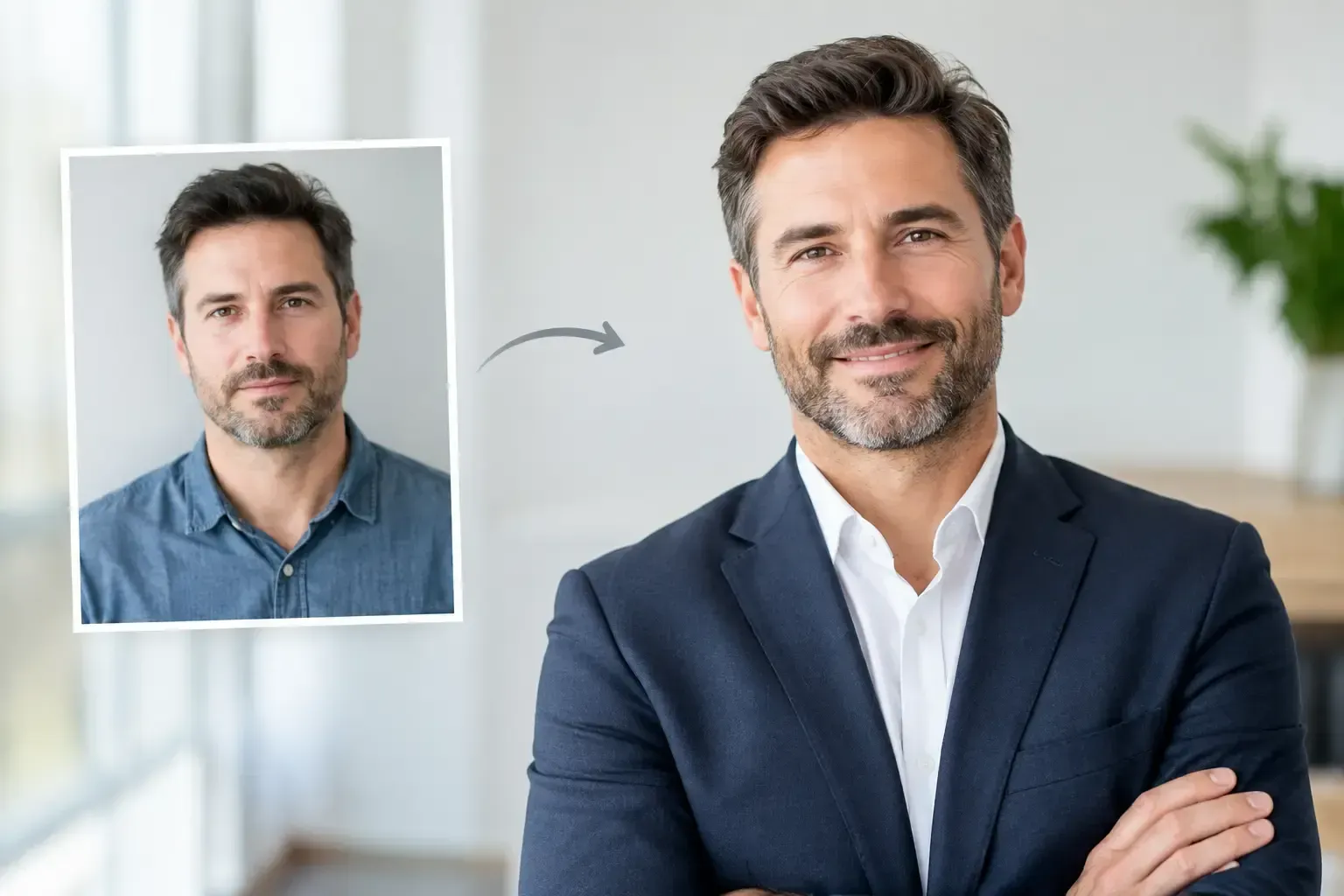
AI can assist specific editing tasks without replacing the decisions that shape a portrait. Adobe Lightroom, for example, offers AI masking that identifies people and allows targeted adjustments to areas such as facial skin, hair, clothing, and backgrounds. That is a tool for selecting parts of an existing photograph, not the same process as generating a new likeness.
Ask your photographer what their workflow includes and what they will review manually. Set boundaries around skin texture, facial features, body shape, and permanent characteristics. “Polished but recognizable” is a useful starting point, but concrete preferences are better than assuming you share the same definition of retouching.
If privacy matters to you or your organization, ask whether images enter third-party services and what storage or deletion arrangements apply. Do not assume that a faster workflow guarantees a particular turnaround. Agree on the actual delivery date and approval process instead.
Make the final selection work harder
Choose your final portraits against the original brief, not solely by scrutinizing individual features. Preview candidates at profile-picture size and within the website layout where they will appear. Check whether the expression, crop, and surrounding space still serve their purpose.
The strongest next step is simple: write your three brand words, list your intended uses, and gather a few annotated references. Bring those to a photographer whose work and working style suit you. A clear brief gives the session direction while leaving room for a portrait that feels genuinely yours.
Build a Stronger Professional Image
From executive headshots to ongoing employee photography programs, Art of Portraits provides professional photography built around your organization.