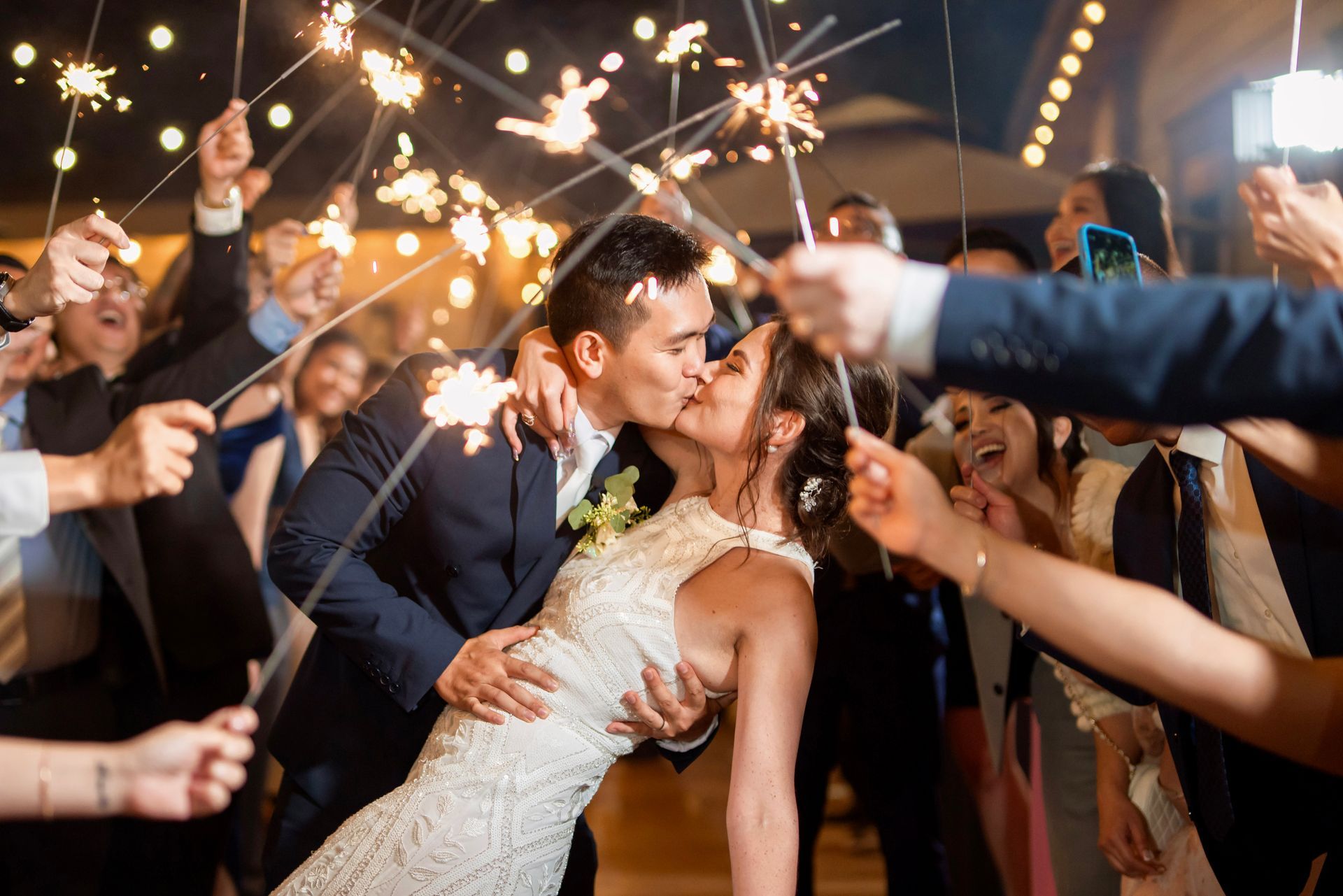
Corporate Headshots Versus Personal Branding

A prospective client lands on your website, a recruiter opens your LinkedIn profile, or a journalist searches for a speaker image. Before they read a credential, they make a quick assessment: Is this person credible? Approachable? Relevant to the work at hand? That is why the choice between corporate headshots versus personal branding is not merely about wardrobe or background. It is a decision about the impression your image is designed to create.
Both serve a professional purpose, but they solve different visual problems. A corporate headshot establishes clarity and consistency. Personal branding photography builds a fuller narrative around expertise, personality, and point of view. Knowing when to use each helps professionals and organizations invest in images that work harder across the channels that matter.
What a Corporate Headshot Is Designed to Do
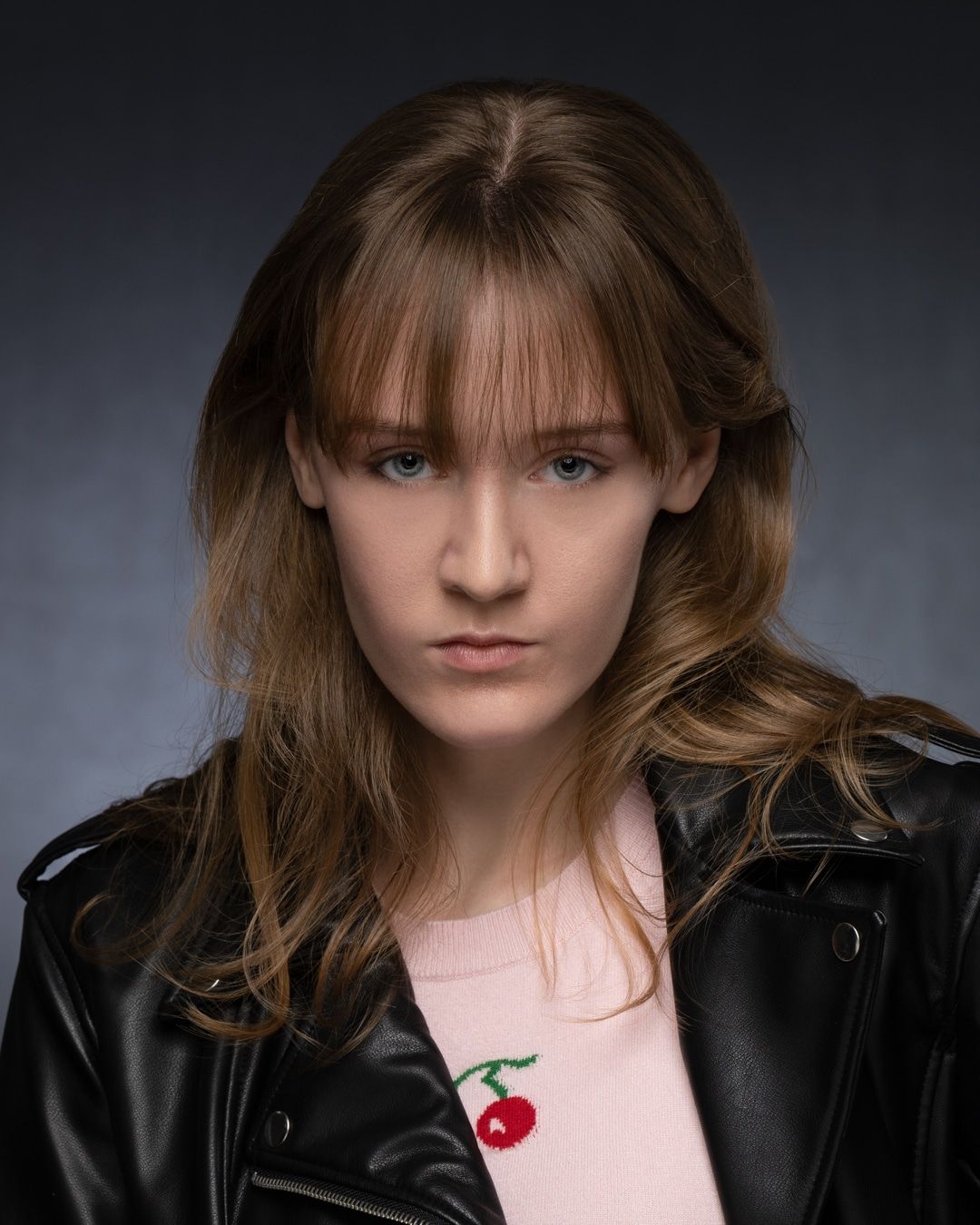
A corporate headshot is a refined, focused portrait that places the subject at the center. It is usually framed from the chest or shoulders up, with polished lighting, intentional expression, and a clean setting that keeps attention on the person. The result should feel professional, current, and aligned with the organization or industry the subject represents.
For a company, the value is often consistency. When an executive team, sales organization, or distributed workforce appears with a cohesive visual standard, the brand feels organized and established. Uniform lighting, composition, retouching, and backdrop treatment can make a team page feel considered rather than assembled over time.
For an individual, a headshot provides a highly useful professional asset. It belongs on LinkedIn, company biographies, speaker pages, email signatures, press materials, and professional directories. A strong headshot does not need to tell every part of your story. Its job is more immediate: help people recognize you, trust your presence, and understand that you take your professional role seriously.
The restraint is part of its strength. An attorney, physician, financial advisor, executive, or corporate candidate may need an image that feels confident without becoming overly editorial. In those cases, a classic corporate portrait can communicate authority efficiently.
What Personal Branding Photography Adds
Personal branding photography expands beyond the single portrait. It is a strategic collection of images created around who you are, what you do, who you serve, and how you want to be remembered. It may include headshots, but it can also feature environmental portraits, working scenes, detail images, wardrobe variations, and images composed for website banners, social posts, marketing campaigns, and editorial use.
Where a corporate headshot says, “Here is the professional,” personal branding imagery can say, “Here is the professional at work, here is the experience they create, and here is why their perspective matters.”
Consider an entrepreneur who leads a design studio. A formal headshot is valuable for a press mention or LinkedIn profile, but it cannot fully convey the studio’s creative process, the texture of its workspace, or the founder’s connection with clients. A branding session can create a visual library that supports the entire business: portrait images for an About page, wide compositions for a homepage, candid interaction for social media, and close details for presentation decks or launch materials.
This format is especially effective for consultants, founders, authors, coaches, speakers, real estate professionals, creative directors, and other client-facing experts whose reputation is closely tied to their individual presence. It also gives established executives greater flexibility when they need imagery for thought leadership, internal communications, board materials, or media opportunities.
Corporate Headshots Versus Personal Branding: The Core Difference
The clearest distinction is scope. Corporate headshots create a polished introduction. Personal branding photography creates a visual ecosystem.
That difference affects planning. A headshot session may focus on one or two wardrobe options, a selected backdrop, and a small number of final images. The process is efficient, particularly when photographing a full team on-site. The photographer directs expression, posture, and angles carefully so each person looks natural while the final collection remains visually aligned.
A personal branding session calls for broader pre-production. The strongest results begin with conversation: your business goals, audience, core offers, visual identity, locations, usage needs, and desired tone. Wardrobe is selected not only for how it looks in a close portrait, but for how it supports the larger story. Location matters more, because a boardroom, studio, storefront, home office, or outdoor setting becomes part of the message.
Neither approach is automatically more premium or more valuable. The better choice depends on where the image will live and what it must accomplish. A clean headshot can be exactly right for a senior leader in a global organization. A founder launching a new service may need a versatile personal brand library before investing in a major marketing push.
When a Corporate Headshot Is the Right Choice
Choose a corporate headshot when your primary need is a concise, polished, and consistent professional portrait. It is often the right fit for company directories, team pages, recruiting materials, conference profiles, award announcements, and employee onboarding.
It also makes sense when visual uniformity is a priority. Marketing and people teams frequently need to coordinate portraits across multiple offices, remote employees, or newly hired staff. Without a defined standard, a team page can quickly become a mix of cropped event photos, outdated selfies, and inconsistent lighting. That inconsistency may seem minor, yet it quietly weakens the confidence a brand works hard to earn elsewhere.
A well-planned corporate headshot program solves the operational side as well. On-location sessions can be scheduled around working hours, with a clear setup, guided posing, professional proofing, and retouched final delivery. The experience should feel efficient for employees and uncomplicated for the people managing the project.
When Personal Branding Is Worth the Broader Investment
Personal branding is worth considering when you need more than a profile image. If you publish regular content, update your website, speak publicly, sell expertise, lead a growing business, or rely on social visibility to create opportunities, one portrait will eventually limit your options.
A purposeful image library helps you avoid repeating the same headshot in every campaign. More importantly, it allows your audience to see your work with greater context. A consultant can be photographed in conversation with a client. A wellness professional can show the calm, thoughtful environment they have created. A founder can appear both polished and approachable through a mix of direct portraits and active, natural images.
The trade-off is time and intention. Branding photography asks you to make choices about your message before the camera comes out. That can feel more demanding than booking a simple headshot, but the planning is what makes the finished work useful. Random lifestyle images may look attractive, yet they do little if they do not support your positioning or fit the dimensions and placements your marketing actually requires.
A Strong Brand Often Needs Both
For many professionals, corporate headshots and personal branding photography are not competing choices. They are complementary assets.
An executive may need a classic portrait for the company website while also requiring environmental imagery for a leadership feature or keynote promotion. A real estate team may use consistent headshots for agent profiles and personal branding imagery to distinguish its top producers in local campaigns. A founder may want a composed headshot for investor materials alongside relaxed, editorial images that make their social channels feel more human.
The most effective visual strategy gives each image a clear role. The headshot protects consistency and immediate recognition. The branding library creates range, relevance, and momentum across a longer customer journey.
How to Plan the Session Around Real Usage
Before choosing a session type, start with distribution. List the places your images will appear over the next year: website pages, LinkedIn, recruiting campaigns, sales proposals, social platforms, press announcements, conference programs, email campaigns, and internal communications. The answer often makes the decision clearer.
Then consider the audience. If your goal is to reassure a board, a corporate audience, or a highly regulated client base, a tailored and classic portrait may be the right visual anchor. If you are asking potential customers to understand your approach, connect with your personality, or imagine working with you, a broader brand story can be more persuasive.
Finally, protect consistency without erasing individuality. Teams do not need to look identical to look cohesive. A thoughtful art direction can establish common standards for lighting, framing, and finish while allowing each person’s expression and style to remain authentic. This balance is particularly valuable for organizations that want a polished employer brand without creating portraits that feel impersonal.
A premium photography partner should make these decisions easier. At Art of Portraits, the process is built around the intended outcome, whether that means an efficient on-site headshot day or an art-directed branding session with a broader campaign in mind. Professional guidance, refined retouching, and a clear delivery process turn the session into usable visual capital rather than a folder of images with no plan.
The image people see first should not have to carry every message. Give it one clear job, make it beautifully, and let the rest of your visual library carry the story forward.
Ready to bring your vision to life? Let’s create images that make an impact.