Aerial Media That Gives Your Brand Perspective
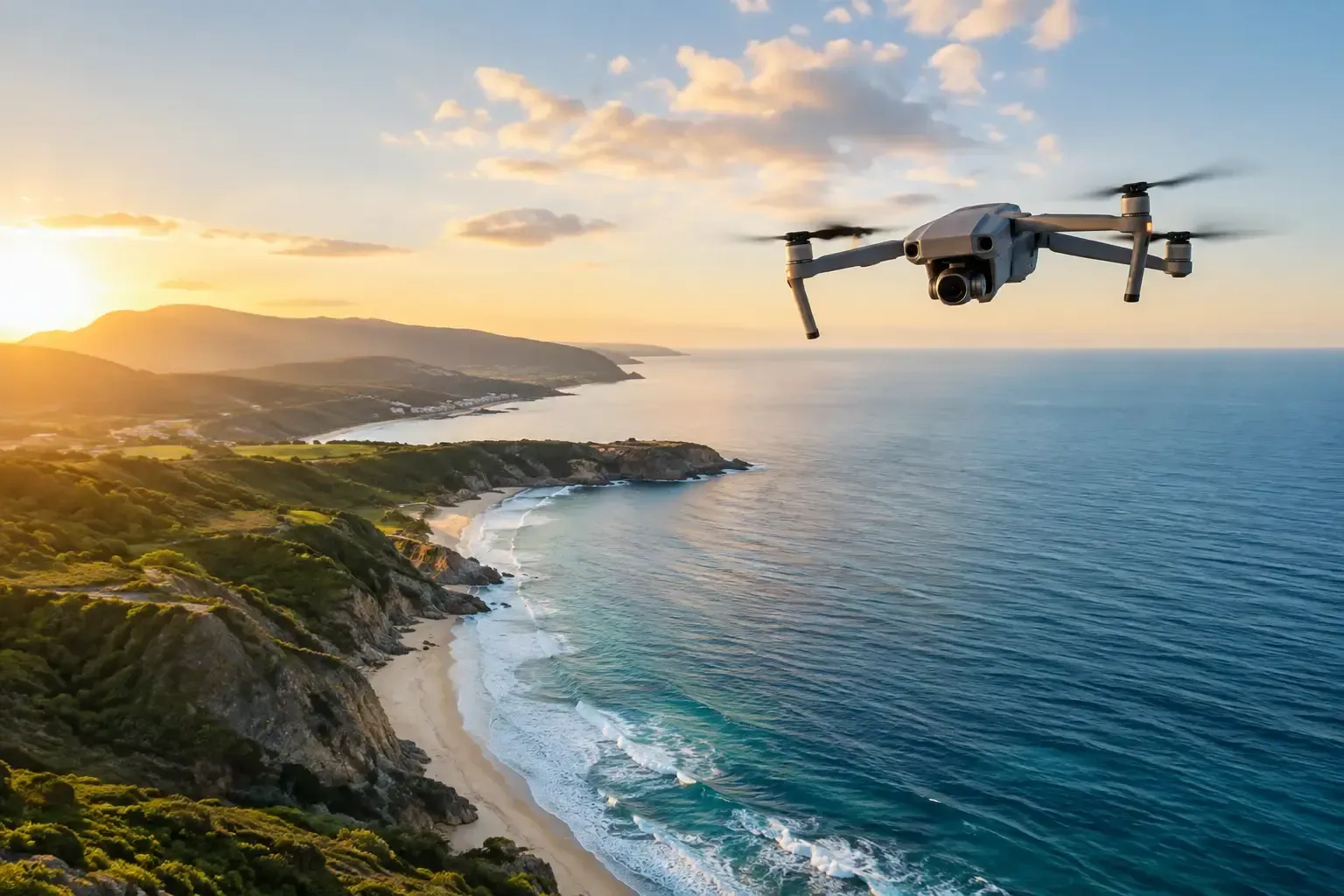
A rooftop terrace at first light. A headquarters alive with arriving teams. A venue that reveals its full energy only from above. Aerial media gives these moments the scale and context a ground-level camera cannot always provide, turning location, movement, and atmosphere into visual assets with real business value.
For organizations and professionals who invest in how they are seen, the goal is not simply to capture a dramatic drone shot. It is to create refined imagery that clarifies your story, strengthens your visual identity, and performs across the places your audience encounters your brand: websites, campaign creative, social channels, presentations, recruiting materials, and event recaps.
Why Aerial Media Changes the Story
Ground photography brings viewers close to a person, product, or detail. Aerial imagery brings them into the larger picture. It can show the reach of a campus, the placement of a commercial property, the energy of a live event, or the relationship between a brand and the city it serves.
That added perspective is especially valuable when scale is part of the message. A developer may need to show access, surroundings, and architectural form. A hospitality group may want to communicate the setting that makes a property distinctive. A corporate team may use an elevated view of its office, manufacturing site, or regional operations to make an annual report or recruitment campaign feel more substantial and immediate.
The strongest aerial work does not feel like a novelty inserted between conventional photos. It feels intentional. Its color, composition, lighting, and pacing should belong to the same visual world as the rest of the production. When that happens, a single overhead image can establish a sense of place before the viewer reads a word.
Where Aerial Media Creates the Most Value
Aerial photography and video are highly adaptable, but they are not necessary for every assignment. They earn their place when height reveals something meaningful: context, scale, flow, design, location, or audience energy.
Commercial and Brand Campaigns
For brand campaigns, aerial footage can create a confident opening frame or an elegant transition between environments. It may reveal a flagship location, trace the approach to a venue, or frame a product experience within a memorable landscape. The visual impact is immediate, but it should still support the campaign idea rather than compete with it.
Aerial assets are particularly useful for brands with multiple marketing needs. A short movement clip may become a website hero, an event teaser, a social reel, and presentation content. A high-resolution still can support print, editorial, digital advertising, and investor communications. Planning for those uses before the flight helps the production capture the right orientation, framing, and duration from the start.
Corporate Locations and Employer Brand
Companies often spend considerable effort refining their message while overlooking the visual character of where work happens. Aerial media can present a headquarters, regional office, campus, facility, or worksite with polish and clarity. Used alongside environmental portraits and team photography, it gives candidates, clients, and partners a stronger sense of the organization behind the logo.
There is a practical benefit as well. For distributed teams, a coordinated production can create an organized library of usable visuals rather than a collection of disconnected images. Location exteriors, workplace details, leadership portraits, and aerial establishing shots can be shaped into a consistent system for recruiting, internal communications, and marketing.
Events Worth Remembering at Full Scale
An event floor can look composed and intimate from the ground while its true energy is visible only from above. Aerial coverage can show guest arrival, venue design, outdoor activations, crowd scale, and the movement of a celebration over time. For conferences, festivals, fundraisers, launches, and major private events, those views can make recap content feel cinematic without losing authenticity.
Timing matters more than equipment alone. An empty venue may be important for documenting design, while a later flight can capture the event at its visual peak. The right schedule protects the guest experience and accounts for changing light, weather, programming, and venue access.
Real Estate, Architecture, and Destination Imagery
Properties are understood through their surroundings. An aerial perspective can show proximity to transit, water, green space, neighboring districts, or major commercial corridors. It can also reveal design geometry that disappears at eye level.
Still, the most compelling property visuals balance the broad view with carefully considered details. Aerial footage establishes context; architectural photography shows material, craft, and interior experience. One should not replace the other. Together, they create a more complete and credible presentation.
A Strong Aerial Production Begins Before Takeoff
The best results are decided in the planning conversation, not in the air. Start with the business objective. Is the final work meant to attract visitors, support a launch, document a milestone, sell a property, or build a lasting brand library? The answer shapes every creative and operational decision that follows.
A useful production brief identifies the priority locations, the desired feeling, the audiences who will see the work, and the final channels where it will appear. It also clarifies whether you need stills, motion, vertical video, horizontal video, or a combination. A beautiful wide frame may work perfectly on a website and poorly in a vertical social placement if that use was never considered.
Light deserves the same attention. Morning and late afternoon often bring dimensional shadows, softer color, and a more elevated finish. Midday can be effective when a project needs crisp visibility and graphic architectural lines. The right choice depends on the property, season, weather, and visual direction.
Safety, Permissions, and Real-World Constraints
Aerial production carries responsibilities that should never be treated as an afterthought. Airspace restrictions, local rules, property permissions, nearby airports, crowds, weather conditions, and venue requirements can all influence what is possible. A capable creative partner plans for these realities early, rather than promising a shot before the location has been properly assessed.
This is where flexibility matters. A flight path may need adjustment because of wind. An exterior shot may need to move to a different time of day. Some locations may not permit a flight at all, or may require advance coordination. Those constraints do not have to diminish the final result. They simply call for a production plan that respects the environment while protecting the creative goal.
For event clients, discretion is equally important. Aerial capture should complement the occasion, not interrupt it. Clear coordination with venue teams, organizers, and on-site production staff keeps the work efficient and unobtrusive.
How to Make Aerial Assets Work Harder
Aerial media delivers the greatest return when it is built for a content ecosystem, not a single post. Before the shoot, consider what your team will need over the coming months. Marketing may need a panoramic website image. Human resources may need employer-brand content. Sales may need a polished location visual for pitch decks. Social teams may need short, vertical motion clips.
This does not mean capturing everything without direction. It means producing with purpose. A concise shot plan creates room for artistry while keeping the production focused on assets your team can actually use. Consistent editing and considered delivery then ensure the aerial work feels aligned with portraits, interiors, product photography, and brand design.
At Art of Portraits, that collaborative approach matters. The finished image should be more than impressive from a distance. It should feel like an accurate, elevated expression of your organization, your event, or the place you have worked hard to create.
The view from above can be striking. The real opportunity is using it to give people a clearer reason to look closer.
Share