Office Photo Day Planning That Protects Your Brand
A new hire’s headshot should not look like it belongs to a different company than the executive portrait beside it. Yet this is what happens when team imagery is treated as an administrative task instead of a brand moment. Thoughtful office photo day planning protects visual consistency, respects busy schedules, and gives every employee a portrait they are genuinely proud to use.
For marketing, HR, and people-operations teams, the goal is bigger than filling empty profile-photo boxes. A well-produced photo day creates usable visual assets for your website, recruiting materials, leadership communications, sales presentations, internal directories, and LinkedIn profiles. It also gives people a more polished way to show up in their own professional lives.
Start Office Photo Day Planning With the Intended Use
Before selecting a date or sending a calendar invitation, decide where the photographs need to work. A corporate directory may call for a clean, uniform look. A leadership page may need more depth, personality, and editorial presence. An employer-brand campaign may benefit from environmental portraits that place people naturally within the office.
This decision informs nearly every production choice: backdrop, lighting, crop, wardrobe guidance, retouching style, appointment length, and the number of final images each person receives. A single neutral background is often the most efficient choice for a large team and makes future additions easier to match. But it is not automatically the right choice. If your brand is expressive, design-led, or closely tied to a distinctive workplace, a carefully art-directed environmental look may carry more value.
Create a simple visual brief before speaking with your photography partner. It should identify the primary uses for the images, the desired feeling, examples of existing brand photography, the number of participants, and any non-negotiable brand standards. This gives the production team direction without forcing your internal team to solve every creative detail.
Choose a Format That Fits the Size of Your Team
An office photo day can be structured around efficient individual headshots, editorial portraits, team photographs, or a combination of all three. The best format depends on your headcount, available space, and how much time people can step away from their work.
For a team of 20 to 40 people, scheduled headshot appointments are usually the clearest path. Short, well-managed sessions keep the day moving while allowing enough time for posing guidance, expression coaching, and a few refined variations. For larger organizations, a multi-station setup or multiple photography days may be more realistic, particularly when employees work across shifts or locations.
Avoid the temptation to compress too much into one day. A rapid, high-volume schedule can work beautifully when the goal is one consistent headshot per person. It becomes less effective if you also expect individual branding portraits, executive creative direction, department photos, candid workplace coverage, and video interviews. These are different production needs. Giving them separate time blocks preserves quality and reduces frustration.
Build a Schedule People Can Actually Follow
The schedule is where polished production meets workplace reality. Ask participants to arrive a few minutes before their appointment, rather than booking them back to back with no buffer. This allows for touch-ups, wardrobe adjustments, and the occasional meeting that runs long.
A practical run of show should account for setup time before the first appointment, a short reset period, breaks for the photography team, and a buffer near the end of the day. Include a plan for late arrivals. Someone will miss their slot, and a defined makeup window is much better than reshuffling the entire schedule.
If executives require a more customized portrait experience, schedule them early or reserve a separate session. This prevents a leadership portrait from being rushed while keeping the standard team schedule on track.
Give Employees Clear, Calm Preparation Guidance
The most effective communication answers questions before they create uncertainty. People want to know what to wear, how long it will take, whether they can choose their favorite image, and whether retouching is included. A brief, polished preparation message makes participation feel easy rather than intimidating.
Recommend solid colors, well-fitted clothing, and choices that reflect both the individual and the organization. Mid-tone and jewel-tone colors tend to photograph well, while tiny patterns, visible logos, and highly reflective fabrics can be distracting. A jacket can add structure, but it should not be a requirement if it does not fit the culture or the person’s role.
Encourage employees to arrive camera-ready, with any personal grooming or makeup completed beforehand. At the same time, avoid language that makes people feel judged. The purpose is not to make everyone look identical. It is to create a confident, elevated portrait that feels authentic to each person and coherent across the organization.
Professional retouching should be discussed with care. Refining temporary blemishes, lint, flyaway hairs, and minor distractions is standard. Altering a person’s defining features is a different decision and should never be assumed. A premium portrait process helps people look rested, polished, and recognizable.
Plan the Office Space Like a Small Production Set
A conference room with enough depth is often ideal for headshots, but the room must be available for the full production window. Avoid spaces with constant foot traffic, loud HVAC noise, transparent walls, or competing meetings nearby. The best space gives the photographer room for lighting, a backdrop or environmental composition, equipment cases, and a clear path for participants.
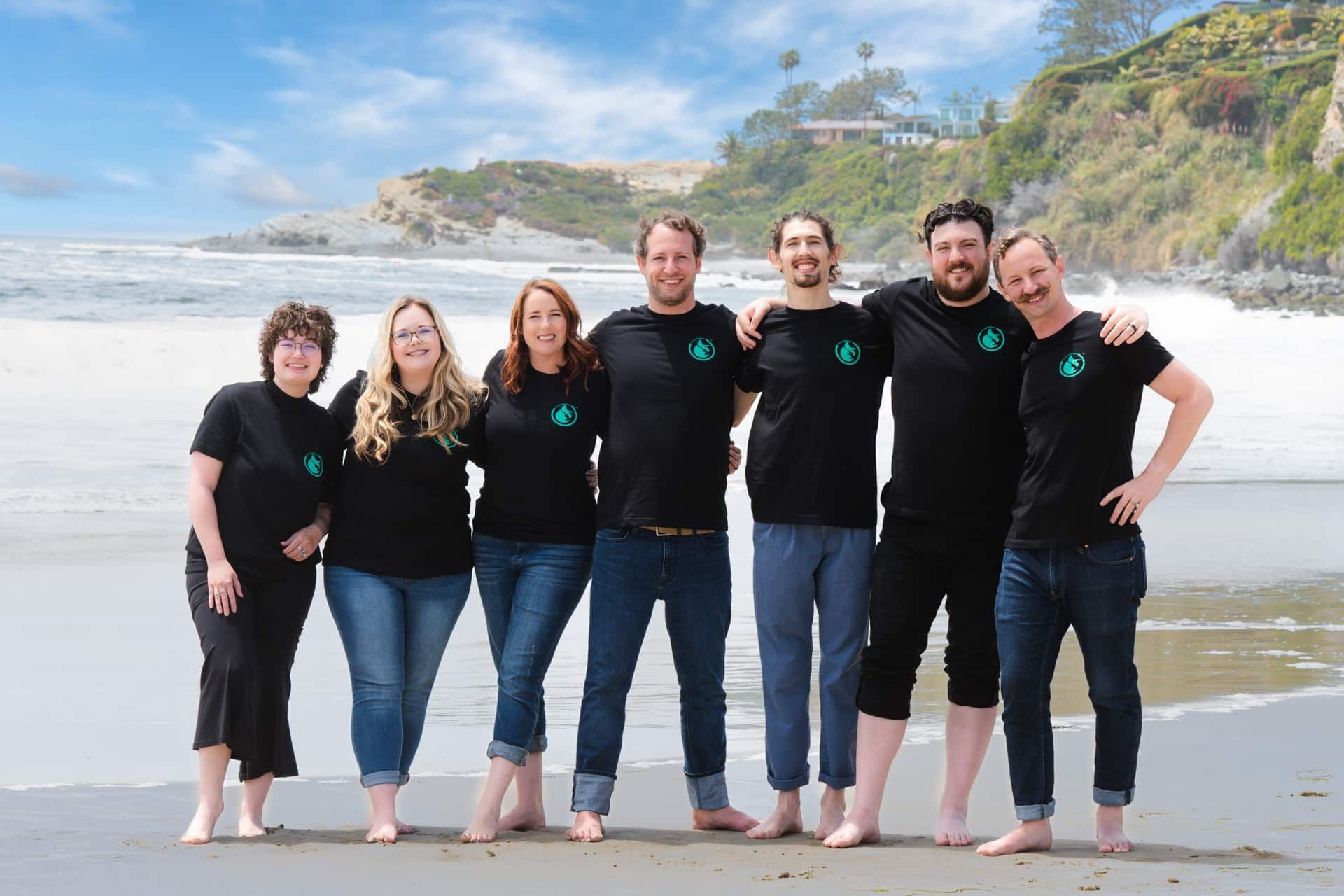
If you are photographing teams or workplace imagery, walk the office in advance. Look for areas with visual depth, natural texture, clean lines, and enough open space to compose a group without clutter. Remove temporary signs, abandoned coffee cups, loose cables, and personal items that should not appear in marketing materials.
For organizations with distributed offices, consistency requires more than using a similar backdrop color. Establish the lighting approach, framing, wardrobe guidance, retouching standards, and final file specifications before the first city is photographed. Art of Portraits can coordinate this kind of brand-conscious production across markets while adapting to each local office environment.
Make the Experience Efficient Without Making It Impersonal
Employees are more relaxed when they know the session has a clear rhythm. A skilled photographer will direct posture, hands, chin position, and expression in a way that feels natural, not overly posed. This guidance matters. Most people are not accustomed to being photographed professionally, and a few thoughtful adjustments can change how confident they appear.
Assign one internal point person to manage the schedule and answer logistical questions. That person does not need to art direct the session. Their job is to keep participants moving, flag last-minute changes, and protect the photography team from avoidable interruptions.
The following details are worth confirming before photo day:
- Final participant list, appointment order, and executive accommodations
- Approved visual direction, including background, crop, and brand references
- Room access, building security requirements, parking, and loading instructions
- Proofing process, retouching expectations, image selections, and delivery timing
- A plan for remote employees, absences, and future new hires
That last point is often overlooked. A photo day should create a system, not a one-time fix. When the visual standard is documented, future hires can be photographed in a way that preserves continuity rather than creating a patchwork directory over time.
Think Beyond Delivery Day
Final images only create value when they are easy to find, approved for use, and placed where the organization needs them. Decide who will receive the files, how filenames will be handled, and whether employees may use selected images on their personal professional channels. For many companies, providing each participant with a LinkedIn-ready portrait is a meaningful benefit that extends the brand’s visibility beyond the office.
Marketing teams may also need web-optimized images, high-resolution files for print, and a curated collection for internal announcements or recruiting. Establish these requirements early so delivery supports real workflows instead of creating another round of image requests.
A well-planned photo day gives people more than a better profile picture. It gives the organization a shared visual language: composed, credible, and ready for the moments when a first impression matters most.
Share