A Distributed Team Photography Success Example

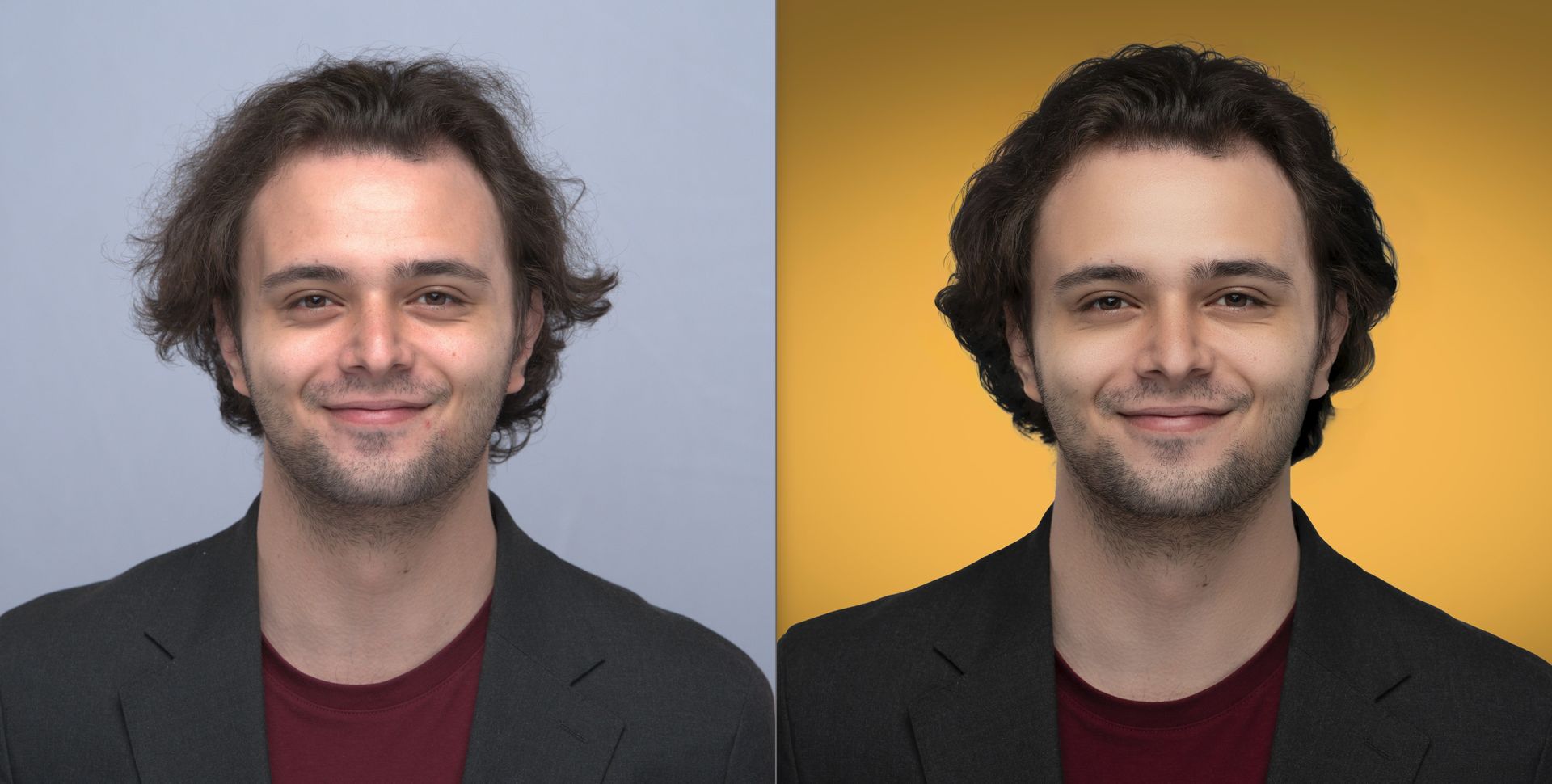
A polished team page can lose its credibility in a single glance when every employee photo tells a different visual story. One image is warmly lit in a living room, another is a cropped event snapshot, and a third is a studio portrait from years ago. This distributed team photography success example shows how a growing professional-services firm replaced that visual inconsistency with a cohesive portrait program built for the way its people actually work.
The result was not simply better headshots. It was a more confident public presence, a smoother employee experience, and a library of brand-ready images that marketing and HR could use without chasing last-minute photos.
The distributed team photography success example
Consider a North American consulting firm with 180 employees across 14 cities. Its leadership team wanted to refresh the company website before a major service launch. The existing employee portraits had accumulated over several years, through different photographers, offices, and informal submissions. Some were technically strong, but together they did not feel like one organization.
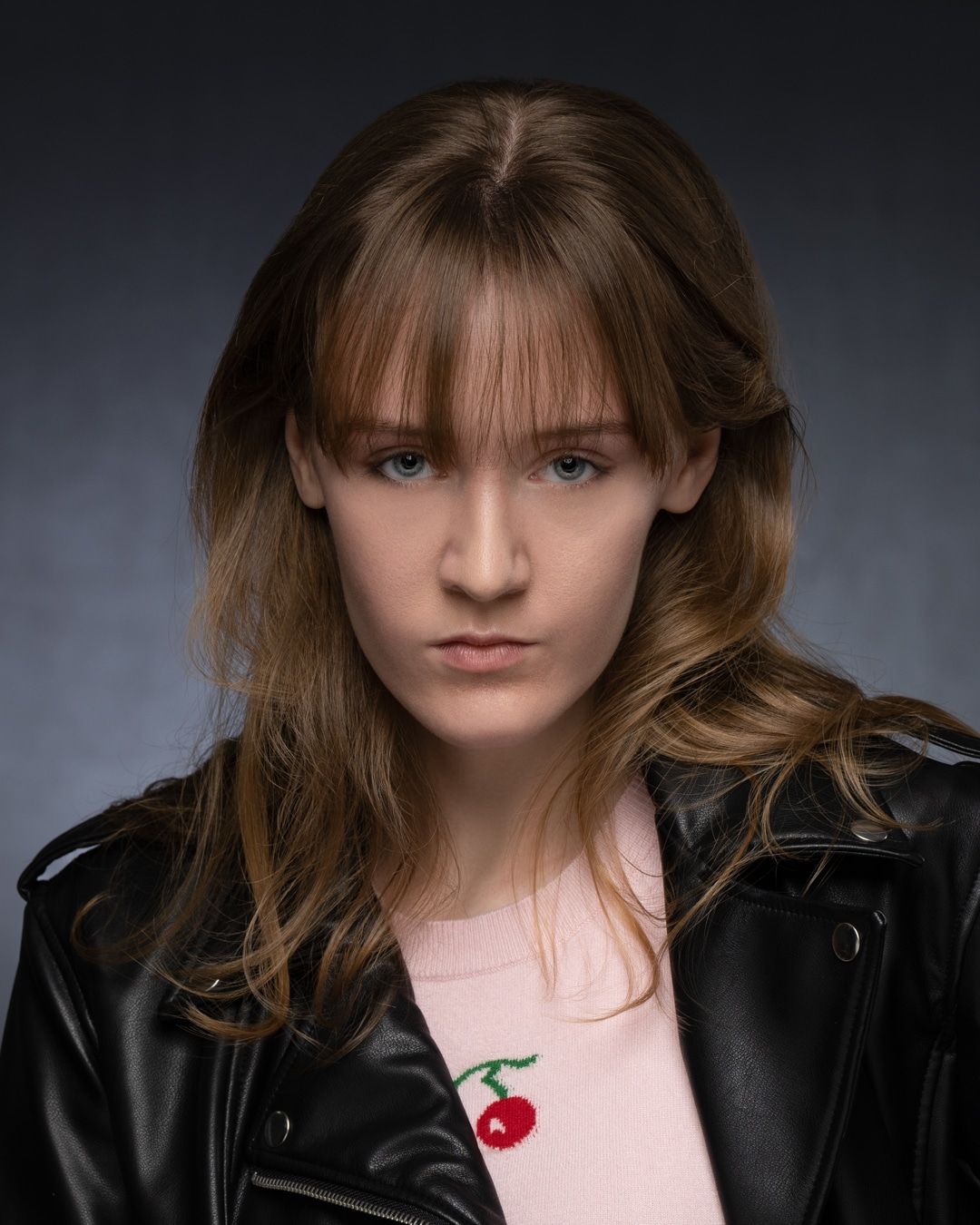
The marketing lead had a clear visual goal: refined, approachable portraits with clean lighting, a consistent crop, and enough personality to avoid the stiff look of a directory wall. HR had another concern. The company could not ask employees to travel for a photo, nor could it afford to interrupt client work with a multi-day shoot in every market.
A distributed photography model gave both teams a practical path forward. Rather than treating each city as a separate project, the firm established one creative standard and delivered it through vetted local photographers. Employees booked short appointments in their own region, while remote staff selected a nearby location or coordinated a simple on-site session during a planned team gathering.
Consistency began before the camera came out
The strongest part of the program was not the lighting setup. It was the preparation. The creative brief defined the visual language in enough detail that every photographer could produce images belonging to the same collection.
That brief included the preferred background tone, lighting direction, portrait orientation, framing, wardrobe guidance, retouching level, and file naming conventions. It also specified where the images would appear: website biographies, proposal decks, press announcements, LinkedIn profiles, recruiting materials, and internal communications.
This distinction matters. A photo intended only for a small website bio can be framed differently from one that may need to work in a leadership announcement, a square social crop, and a presentation slide. Planning for those uses at the start reduced later edits, rushed recropping, and requests for replacement photos.
The company also designated one internal owner to approve visual decisions. Marketing did not need to evaluate every image in isolation. Instead, the owner reviewed a small initial set from the first cities, confirmed that the standard was translating well, and made minor adjustments before the remaining sessions took place.
Local access made participation easier
The operational challenge in distributed photography is not finding a photographer. It is making the experience feel simple for the employee while maintaining a premium result.
Each participant received a concise preparation guide with wardrobe direction, arrival expectations, and examples of the intended final look. The sessions were scheduled in 15-minute windows, with additional time reserved for executives and client-facing leaders who needed a broader range of expressions or poses. A central scheduling process handled reminders and reschedules, which kept department administrators from becoming the default coordinators.
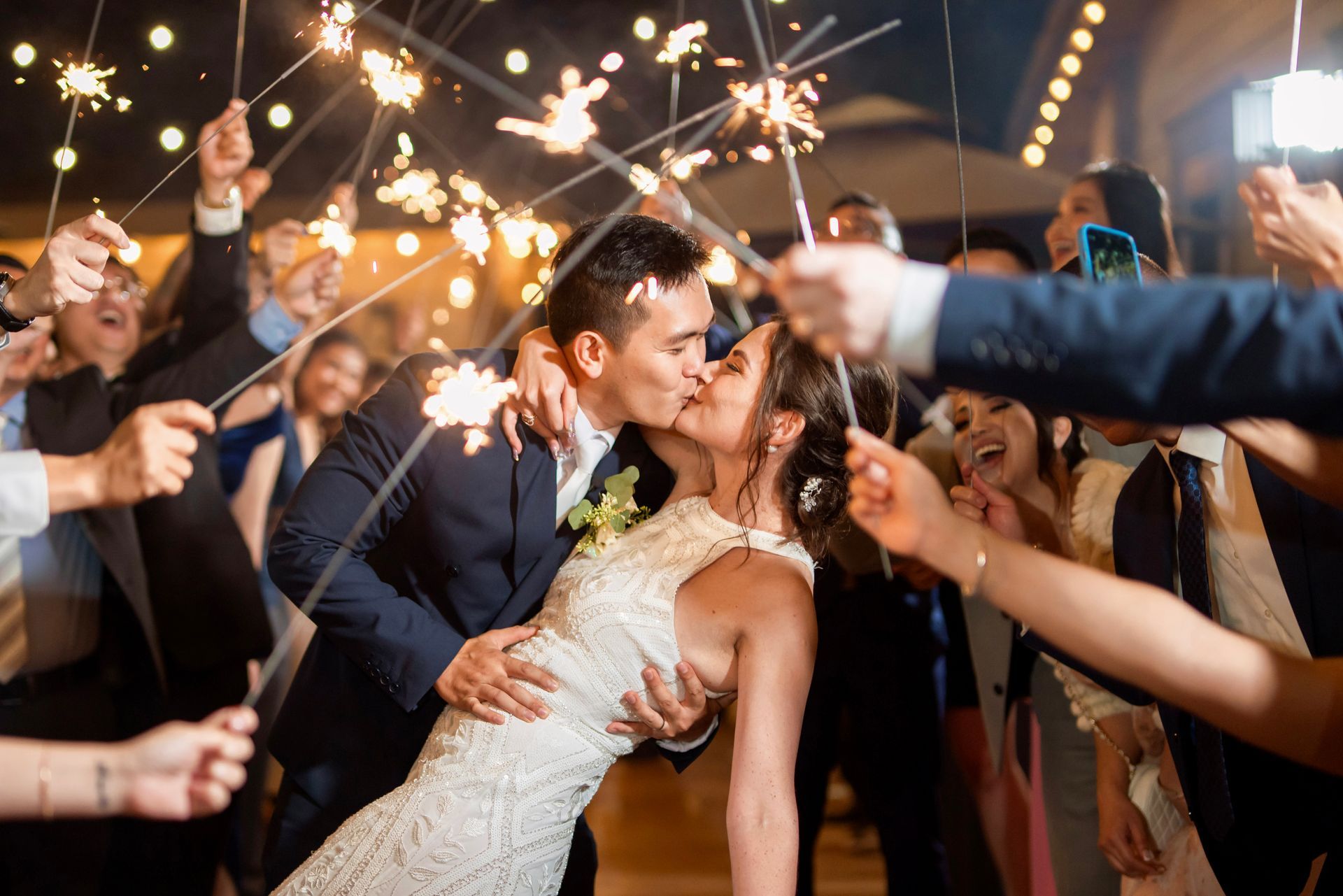
For employees in smaller markets, the firm used a flexible mix of local studios, thoughtfully selected office spaces, and environmental locations. That flexibility was valuable, but it had boundaries. A distinctive office may be right for employer-branding imagery, while a simple controlled background is often the better choice for a uniform team directory. The aim was not to make every image identical. It was to make every image recognizably part of the same brand.
Within six weeks, 162 employees had completed sessions. The remaining group included new hires, employees on leave, and a few team members whose schedules required an alternate date. Because the program was designed as an ongoing system rather than a one-time event, those exceptions did not weaken the rollout.
Proofing and retouching protected both quality and trust
Portrait sessions can feel personal, particularly for employees who do not enjoy being photographed. The firm avoided a common mistake: choosing a single image without participant input.
Each employee received a private proofing gallery with a curated selection of images. They selected a preferred portrait, while the marketing team retained visibility into the approved final crop and brand usage. Professional retouching addressed temporary distractions and polished the image without removing the person from it. The finished portraits looked prepared, confident, and natural rather than overprocessed.
That balance is central to credible professional imagery. Excessive retouching can undermine the authenticity that clients, candidates, and colleagues value. Too little attention to finishing can leave a portrait looking casual beside carefully art-directed brand materials. The right standard preserves a person’s character while presenting them at their professional best.
The company delivered high-resolution master files alongside web-ready versions, organized by employee and region. Marketing gained a usable asset library rather than a folder of mixed file types. HR gained an easier onboarding process: every new employee would receive the same portrait invitation within their first 90 days.
The business impact was visible beyond the website
The new portraits launched with the service campaign, but their value continued to expand. Business-development teams used current images in proposals. Recruiting used them to make location pages and employee stories feel more personal. Leadership used consistent headshots in webinars, conference materials, and media opportunities.
Internally, the portrait program had an unexpected cultural effect. Employees in satellite offices felt represented in the company’s public identity. The visual standard did not center only the headquarters team. It gave professionals across the organization an equally polished presence, whether they worked in Chicago, Atlanta, Vancouver, or from a home office near a smaller market.
The firm also found that consistency improved speed. When an executive needed a speaker bio, the communications team no longer had to request an image, check permissions, or edit an outdated headshot against a deadline. The approved asset was already available and aligned with the brand.
What made this approach work
A multi-city portrait program succeeds when creative direction and operational discipline receive equal attention. Beautiful photography alone does not solve scheduling, approvals, delivery, or adoption. A highly organized rollout without a clear visual point of view produces efficient but forgettable images.
The firm’s success came from treating photography as a strategic brand asset. It invested in a defined look, assigned clear ownership, made participation convenient, and built a process for future hires. It also accepted that flexibility was necessary. Not every market offered the same location options, and not every employee could be photographed in the first wave. A strong partner adapts locally without allowing the brand standard to drift.
For organizations considering a similar program, begin with the moments where imagery already affects perception: the leadership page, sales proposals, recruiting campaigns, LinkedIn visibility, and client-facing announcements. Those uses will clarify what the portrait system needs to deliver and where consistency will create the greatest return.
A distributed team does not need to look fragmented. With considered art direction, local access, and a process designed around real schedules, every portrait can carry the same message: this is a team with presence, purpose, and a standard worth noticing.
Share