Headshots Versus Selfies: What Builds Trust?
A prospective client opens your LinkedIn profile between meetings. A recruiter scans your bio before deciding who advances. An event organizer checks the speaker page before confirming a booking. In each moment, headshots versus selfies is not a small aesthetic choice. It is a decision about the level of care, confidence, and credibility your image communicates before you say a word.
A selfie can be immediate, personable, and perfectly appropriate in the right context. But when your image represents your expertise, your organization, or a career-defining opportunity, a professionally created headshot does more than look polished. It gives people a clear, confident introduction to the person behind the title.
Headshots Versus Selfies: The Difference Is Intent
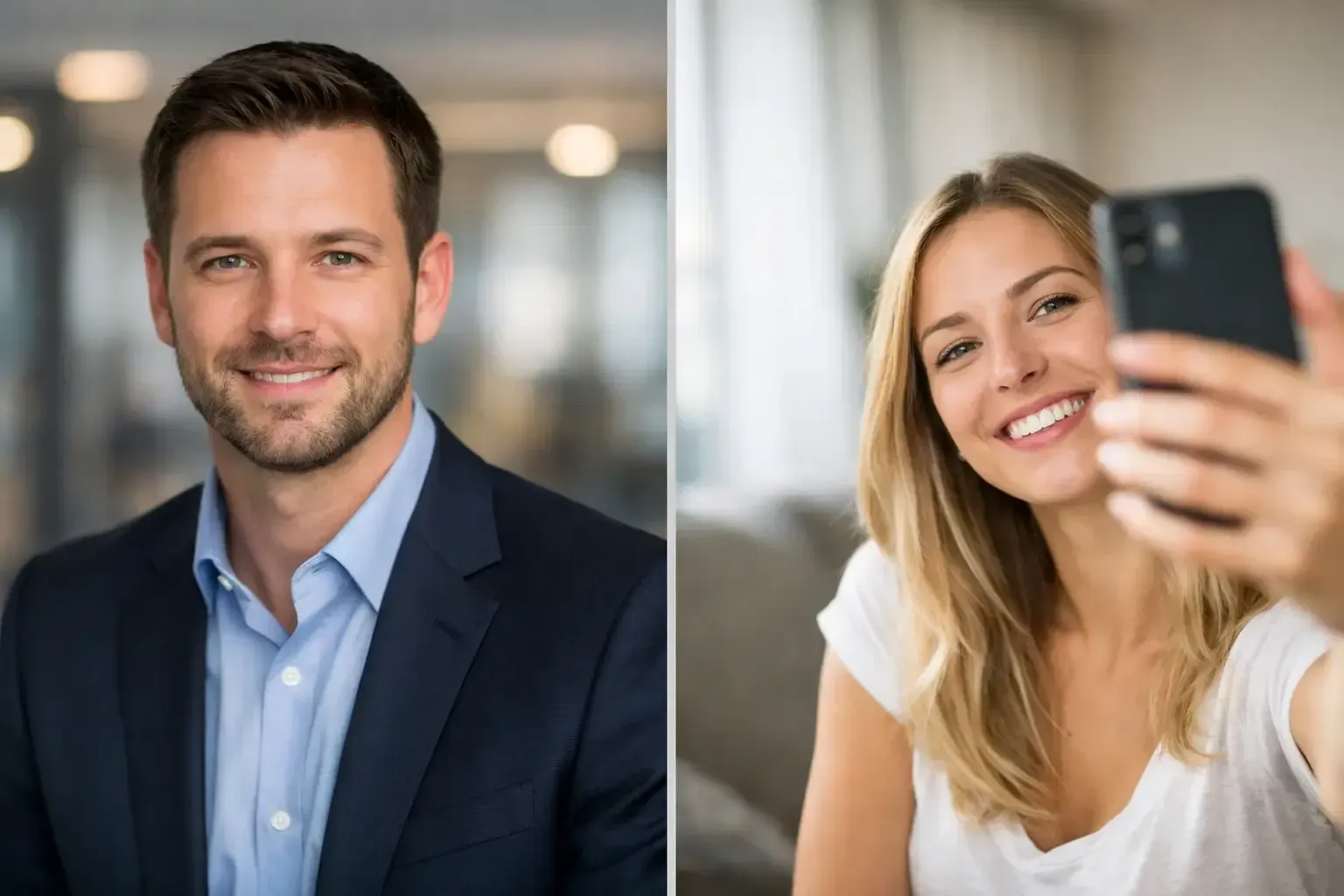
The visible difference between a headshot and a selfie is easy to recognize. One is shaped with professional lighting, intentional composition, and a controlled setting; the other is usually captured quickly, at arm's length, using available light and a phone camera. The more meaningful distinction is purpose.
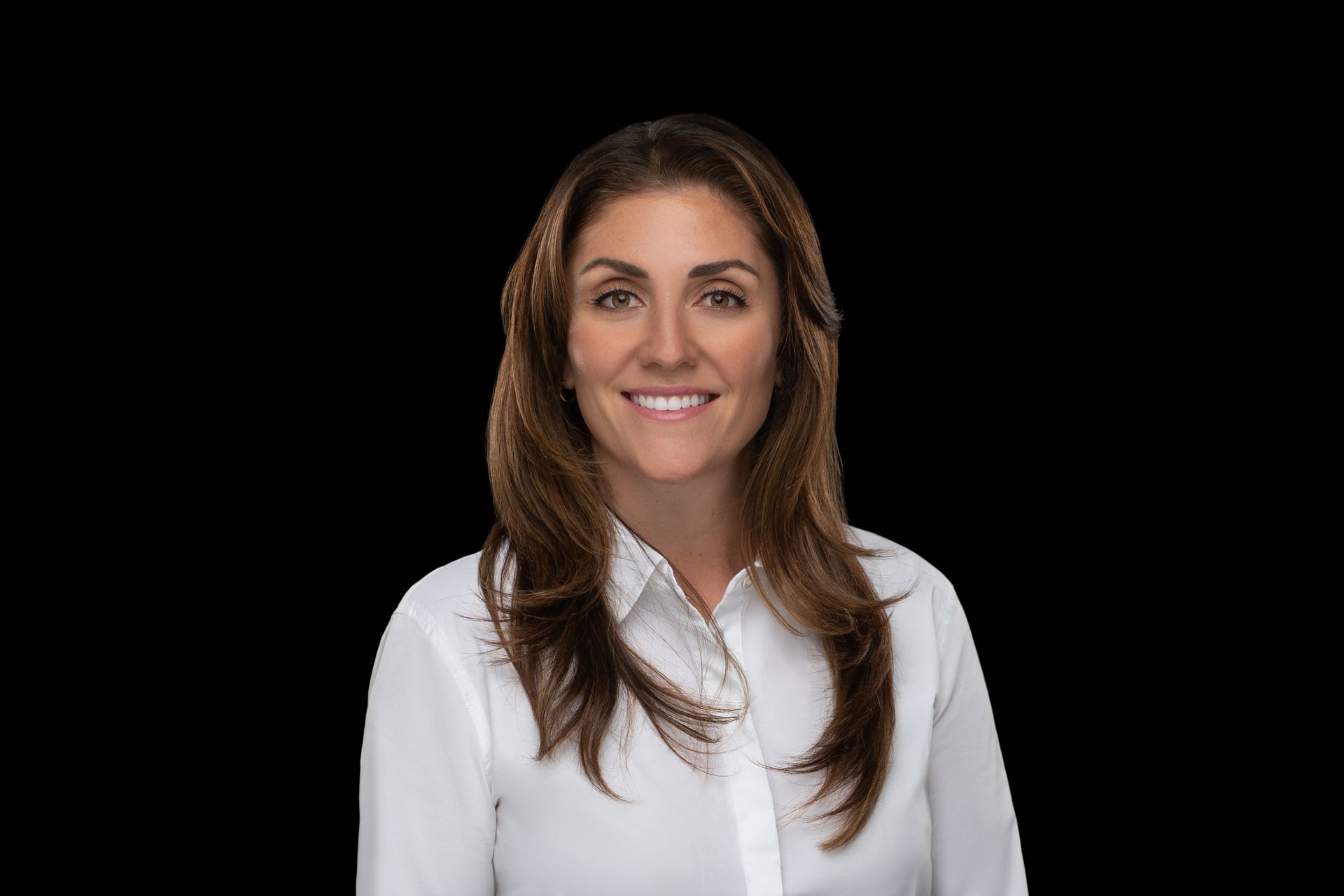
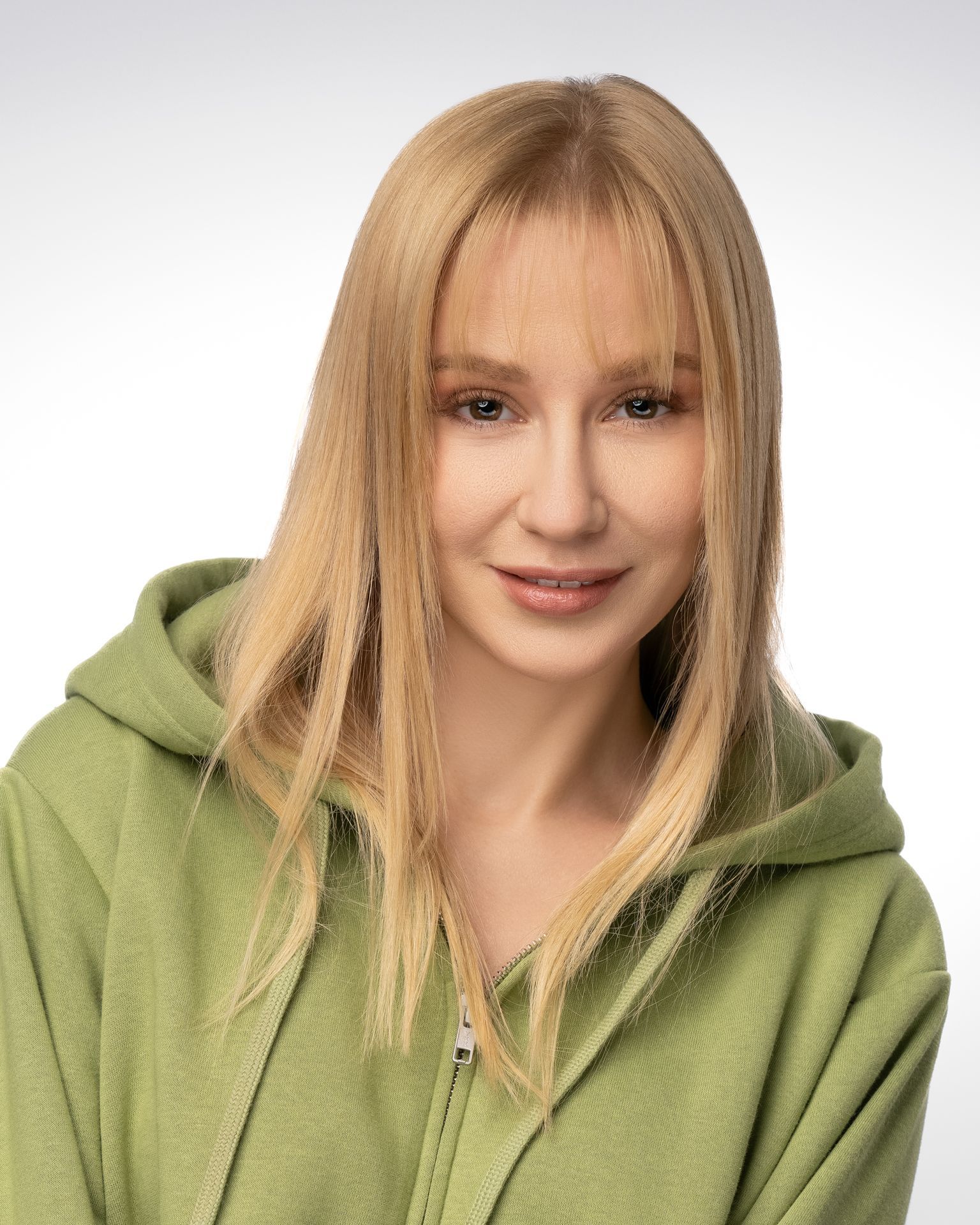
A professional headshot is designed to communicate something specific. Depending on the session, that might be executive authority, approachable leadership, creative range, medical professionalism, or the distinct personality of a founder-led brand. The background, wardrobe, pose, expression, crop, and retouching work together to support that message.
A selfie is designed for immediacy. That can be its strength. It lets you share a real moment, an informal update, or a behind-the-scenes perspective without friction. On social platforms built around conversation and speed, that informality may make a post feel more human.
The problem begins when an informal image is asked to do the work of a brand asset. A profile photograph on a company website, a pitch deck, a speaker bio, or a professional networking platform is not just a picture. It becomes visual evidence of how you approach your work.
Why Professional Portraits Create Faster Confidence
People make quick judgments from visual cues, often before they read a credential or case study. A strong headshot cannot replace experience, but it can frame that experience with clarity. It tells the viewer that you are present, prepared, and comfortable being seen in your role.
Professional photography also removes the distractions that can dilute a selfie. A wide-angle phone lens can subtly distort facial proportions when held close. Harsh overhead light can create shadows that feel unflattering or fatigued. A cropped vacation scene, a car interior, or an indistinct room in the background may unintentionally compete with your face.
In a well-directed headshot, those variables are considered before the camera comes out. Lighting is selected to flatter your features and suit the intended mood. Framing is tailored to the channel where the image will appear. Direction helps you look relaxed rather than posed, while refined retouching preserves skin texture and character instead of turning you into a version of yourself that no longer feels recognizable.
That authenticity matters. The goal is not perfection. It is alignment: your photograph should feel like you on a particularly composed, confident day.
Consistency matters for teams
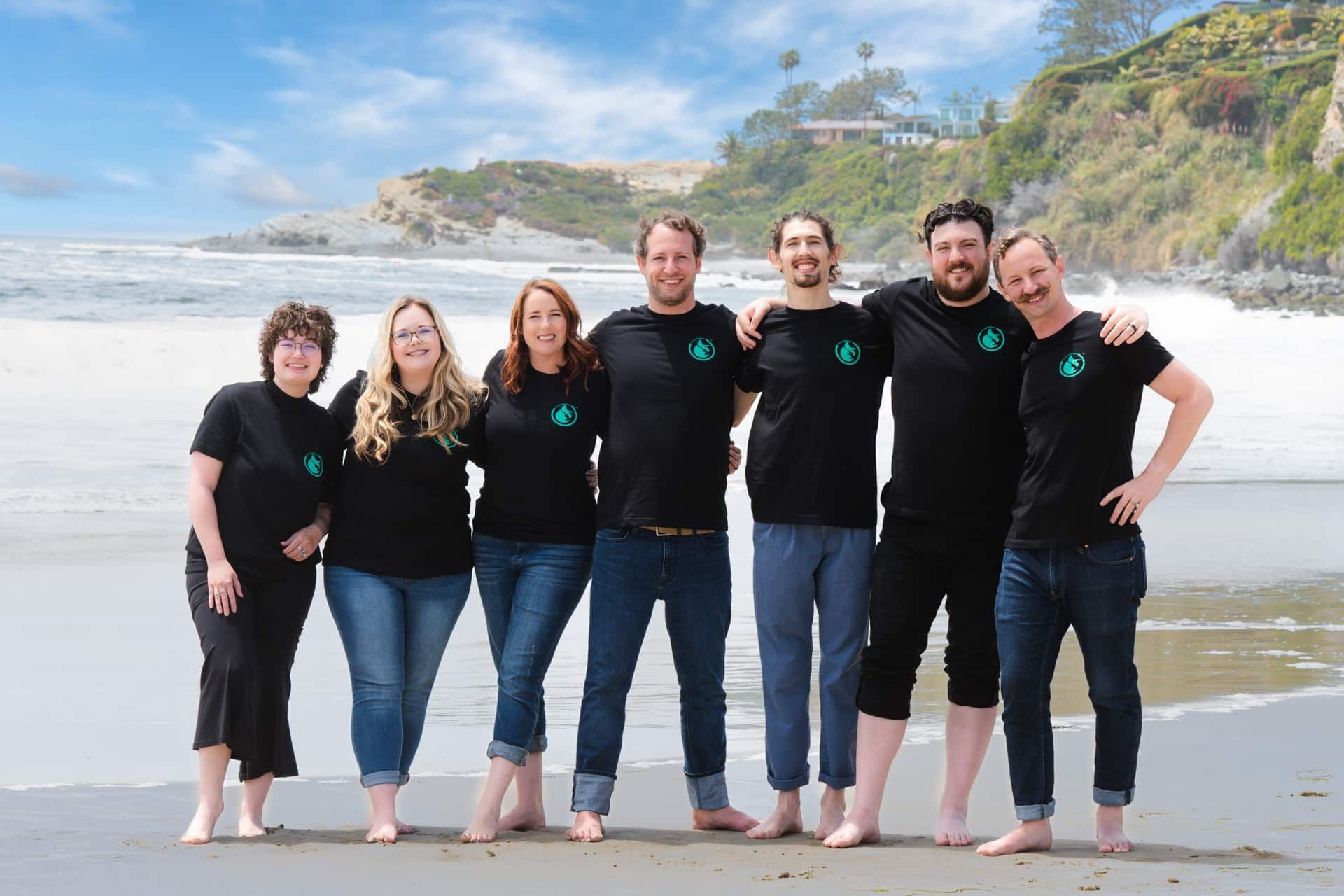
For an individual, a professional headshot strengthens personal visibility. For a company, it creates visual order across every place people encounter the team. When one executive photo is studio-lit, another is a cropped group shot, and another is a dim phone image, the organization can appear fragmented even when its work is exceptional.
Consistent team headshots give websites, proposals, internal communications, recruiting materials, and social profiles a shared visual language. This is especially valuable for distributed organizations. On-site sessions, coordinated scheduling, standardized lighting, and guided proofing can produce a cohesive result without asking employees to solve the process alone.
The standard does not require everyone to look identical. It means every image reflects the same level of intention, quality, and respect for the people represented.
When a Selfie Is the Better Choice
There is no reason to treat selfies as a professional failure. They are useful when their informality supports the message. A founder sharing a candid update from an industry conference, an artist showing work in progress, or a team member posting a casual culture moment can benefit from an image that feels immediate and unproduced.
A selfie can also be a practical temporary solution. If you have just accepted a new role and need to update a profile quickly, a clean, well-lit phone photo is better than leaving an outdated image online. Stand near a window, face the light, keep the camera at eye level, use a simple background, and avoid heavy filters. It will not replace a headshot, but it can carry you through a short transition.
The key is matching the image to the stakes. If the photo will be used once in a casual post, a selfie may be exactly right. If it will be used repeatedly to introduce you to clients, employers, casting professionals, investors, patients, or partners, professional photography is usually the stronger choice.
Where a Headshot Has the Greatest Return
The value of a headshot rises when it can be used across several touchpoints. A single, thoughtfully planned session can provide portraits for a LinkedIn profile, company bio, press features, conference programs, email signatures, sales materials, podcast appearances, and social media. For many professionals, it is one of the most reusable assets they create.
Executives and client-facing leaders benefit from portraits that balance authority with approachability. Entrepreneurs often need images that feel personal enough for a founder story while polished enough for investors and media. Actors need headshots that meet industry expectations while preserving casting range. Attorneys, consultants, real estate professionals, physicians, and financial advisors need images that create reassurance before a first conversation.
The return is not limited to external visibility. People often show up differently when they have an image they are proud to use. They stop avoiding the speaker application, delaying the website update, or cropping themselves out of a team announcement. A portrait can be a practical asset and a quiet expression of professional readiness.
What a Professional Session Actually Solves
Many people postpone a headshot because they imagine the session will be awkward or overly formal. A well-run experience is built to remove that pressure. Before the session, a consultation can clarify where the images will be used, what visual tone fits your role, and which wardrobe choices will photograph best. During the shoot, posing direction makes a significant difference. You do not need to know what to do with your hands, shoulders, or expression. That is part of the photographer's craft.
Afterward, proofing gives you room to select the expressions that feel most like you. Professional retouching then refines small distractions without erasing the details that make your face distinctive. The finished result is both elevated and believable.
For organizations, the process also solves an operational challenge. Rather than coordinating inconsistent local vendors or asking employees to submit their own images, a managed headshot program can establish one standard, accommodate busy schedules, and deliver files prepared for real business use. Art of Portraits approaches that work as an art-directed collaboration, whether the assignment is one portrait or a multi-city team rollout.
Preparing for a Headshot Without Overthinking It
The most effective preparation is simple. Choose clothing that reflects how you want to be perceived in your actual professional environment, not a costume version of success. Solid colors and subtle textures tend to keep the attention on your face, while very small patterns, large logos, and overly trendy pieces can date an image quickly.
Bring options if possible. A jacket, a second shirt, or a change in neckline can create useful variety without requiring an entirely different look. Get enough rest, arrive a few minutes early, and let the photographer know if you have a preference about your best angle, a feature you want to emphasize, or a concern you would like handled thoughtfully.
Most importantly, do not try to manufacture an expression. The best headshots rarely come from forcing a smile. They come from clear direction, a comfortable pace, and a moment when your natural energy comes through.
Choose the Image That Supports the Opportunity
A selfie can capture a moment. A headshot can support a reputation. Neither is inherently more authentic, but they serve different roles, and recognizing that distinction helps you use each with greater confidence.
When the next opportunity asks people to decide whether they trust your expertise, want to meet your team, or can picture you in the role, give them an image that meets that moment with the same care you bring to your work.
Share