Wedding Photography That Feels True to You
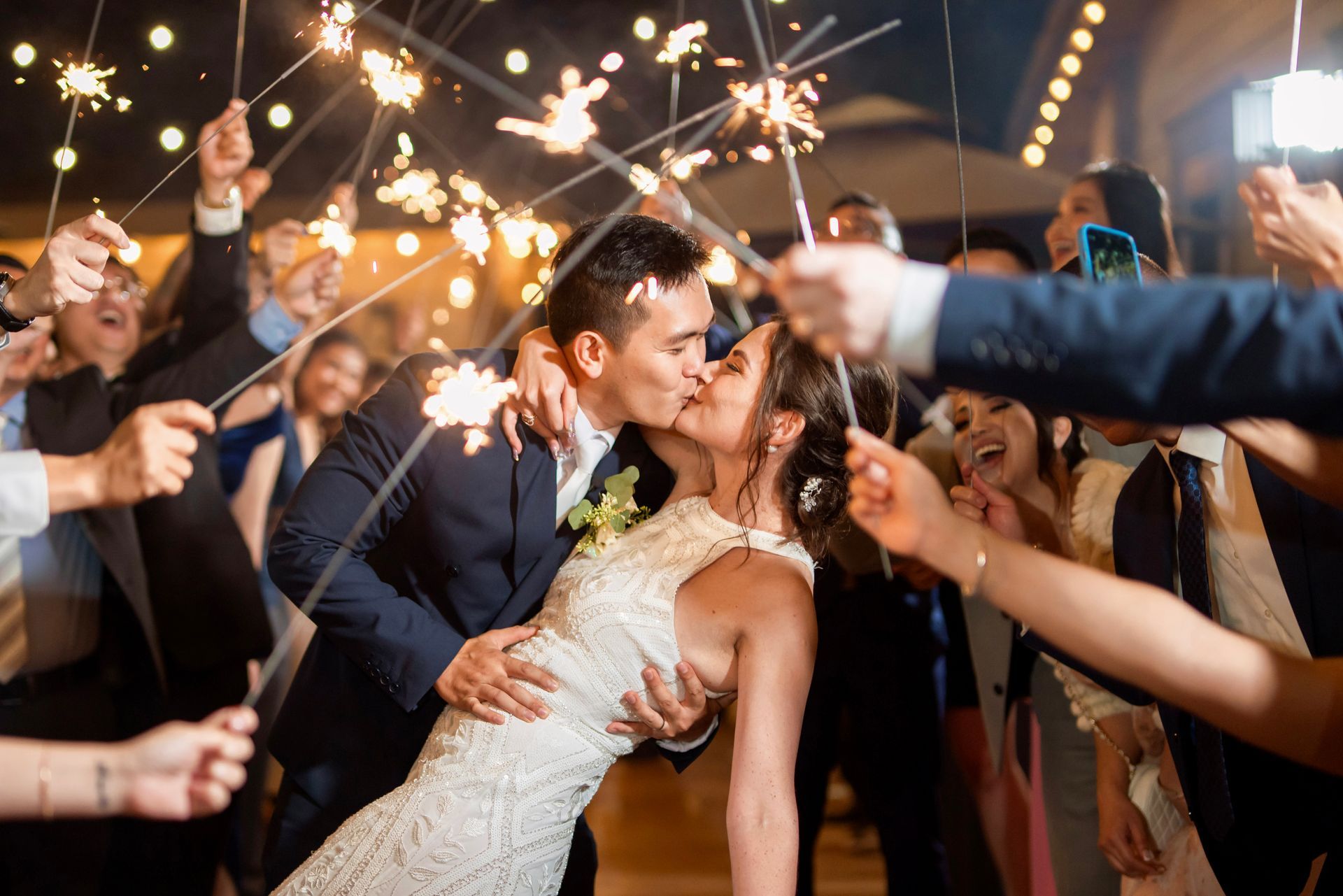
The first look with a parent. The breath before the aisle doors open. The way your friends fill the dance floor when the formalities finally fall away. Wedding photography should preserve these moments with more than technical skill. It should reflect the atmosphere you worked so carefully to create and the people who made the day matter.
The most enduring wedding images do not feel manufactured. They feel composed, emotionally present, and unmistakably yours. Achieving that balance takes thoughtful planning, a confident creative team, and enough room in the schedule for real life to happen.
Start With the Feeling You Want to Remember
Before choosing a visual style, consider the experience you want to have while being photographed. Some couples want editorial portraits with a polished, fashion-forward finish. Others care most about candid images that capture movement, laughter, and unguarded connection. Many want both.
There is no single right answer. A black-tie ballroom celebration may call for refined, architectural imagery, while a coastal ceremony may invite a lighter, more relaxed visual approach. What matters is that the photography supports the character of the day rather than imposing a look that does not fit.
During an initial consultation, share the details that shape your celebration: the venue, season, guest count, ceremony timing, wardrobe, cultural traditions, and the moments you value most. It is equally useful to explain what you do not want. If you dislike stiff posing, say so. If extended family portraits are a priority, make that clear early. A strong photography plan begins with alignment, not assumptions.
Why Wedding Photography Planning Changes Everything
Beautiful imagery is often the result of preparation that guests never notice. A photographer can work quickly and adapt under pressure, but a considered timeline creates the space for images to feel calm rather than rushed.
Start by identifying the nonnegotiable photographs. These may include immediate family groupings, a first look, private portraits after the ceremony, sunset images, heirloom details, or a full-room photograph before guests enter the reception. From there, build in realistic transitions. Getting from a hotel suite to a ceremony site, gathering relatives, adjusting a veil, and greeting unexpected guests all take time.
For most weddings, couple portraits benefit from more than one short window. A first-look session can provide privacy and flexibility before the ceremony. A brief portrait session later in the day offers a different quality of light and a chance to step away together. This approach is especially valuable when a reception schedule is full or the ceremony ends after sunset.
The trade-off is simple: more formal photography time can mean less time with guests. The goal is not to turn your wedding into a production set. It is to organize the day well enough that you are not pulled away from it unnecessarily. An experienced team will help you decide where efficiency matters and where a few extra minutes are worth protecting.
Create a Family Portrait Plan Before the Wedding Day
Family photographs are often the images that become framed gifts, anniversary keepsakes, and part of a family history. They also tend to be the hardest to organize in the moment.
Prepare a concise list of essential groupings and designate one person who knows the family well to help gather people. Keep the list focused. A sequence of eight meaningful combinations moves more smoothly than an ambitious list of thirty variations. Let key family members know in advance where they need to be and when.
This small amount of coordination keeps the portrait experience warm and efficient. It also gives everyone more time to return to the celebration.
Choose Direction, Not Constant Posing
One of the most common concerns couples express is that they are not comfortable in front of a camera. The right response is not to leave them without guidance. It is to direct them in a way that feels natural.
Thoughtful direction may involve adjusting posture, finding flattering light, suggesting a place to stand, or giving you something simple to do together. A walk, a quiet conversation, a hand held at the waist, or a glance toward the room can create images with shape and intention without making you feel like you are performing.
The best portrait sessions are collaborative. Your photographer brings an eye for composition, light, and timing. You bring the energy, history, and connection that make the images personal. If a pose feels unnatural, say so. If there is a feature, relationship, or tradition you want documented, mention it. Clear communication creates more honest photographs.
Make Room for the Unscripted
A wedding day rarely unfolds exactly as planned, and that is not a failure of planning. It is part of what makes the occasion alive. A flower girl may decide she has had enough of the aisle. A best friend may give an unexpectedly moving toast. Rain may shift the ceremony indoors and create a more intimate atmosphere than anyone anticipated.
Candid coverage matters because these moments carry the emotional texture of the day. But candid does not mean careless. It requires anticipation: watching a parent’s reaction during the vows, noticing the friends about to embrace, recognizing when a quiet exchange is more meaningful than the center of the room.
Ask your photographer to pay attention to the people and relationships that matter most to you. Perhaps it is a grandparent who cannot stay late, a sibling who traveled across the country, or the friend who introduced you. Those details help turn a gallery into a complete story rather than a collection of attractive scenes.
Consider Light, Location, and Seasonal Reality
Natural light can transform a portrait, but wedding photography should never depend on perfect weather. Great coverage considers available light at every part of the day, from a dim preparation suite to a candlelit reception.
When reviewing your venue, look beyond the ceremony backdrop. Notice where you will get ready, how far portrait locations are from one another, and whether there is an indoor option with character if conditions change. If your ceremony occurs at midday in summer, direct sun may be less flattering than the softer light closer to evening. If you are planning a winter celebration, sunset may arrive before the ceremony concludes.
These conditions do not limit beautiful work. They simply influence the plan. Professional lighting, informed location choices, and an adaptable schedule allow the final images to remain polished in nearly any setting.
Editing Should Refine, Not Rewrite
Post-production is where a cohesive visual finish takes shape. Color is balanced, distractions are reduced, and each image is refined for a gallery that feels consistent from beginning to end. The aim is polish without losing the reality of the moment.
When discussing editing, ask about the overall aesthetic and the level of retouching included. Most couples appreciate subtle refinements, such as temporary skin corrections or the removal of a distracting background element. More extensive requests may be possible, but they should be discussed in advance, particularly if they affect delivery timing or require detailed image work.
A timeless finish usually serves couples best. Trends can be inspiring, but an overly stylized treatment may feel dated when you revisit your photographs decades from now. Look for color, contrast, and skin tones that feel elevated while still resembling the day as you remember it.
Plan for How You Will Live With the Images
Your gallery is not the final destination. Consider which photographs belong in an album, which will become framed artwork, and which will be shared with loved ones who could not attend. A thoughtful collection includes the grand images, but it also preserves the quieter ones: hands clasped during the ceremony, a place setting with a handwritten note, the expression on a loved one’s face.
At Art of Portraits, the approach is built around both artistry and a well-managed client experience, from consultation and direction through professional retouching and delivery. The purpose is not simply to document an event. It is to create imagery that lets you return to its feeling.
When the music has ended and the flowers are gone, your photographs become a living record of the people, choices, and promises that shaped the day. Give them the same intention you give every other part of the celebration, then trust yourself enough to be fully present when the moment arrives.
Share