Headshot Retouching Questions, Answered
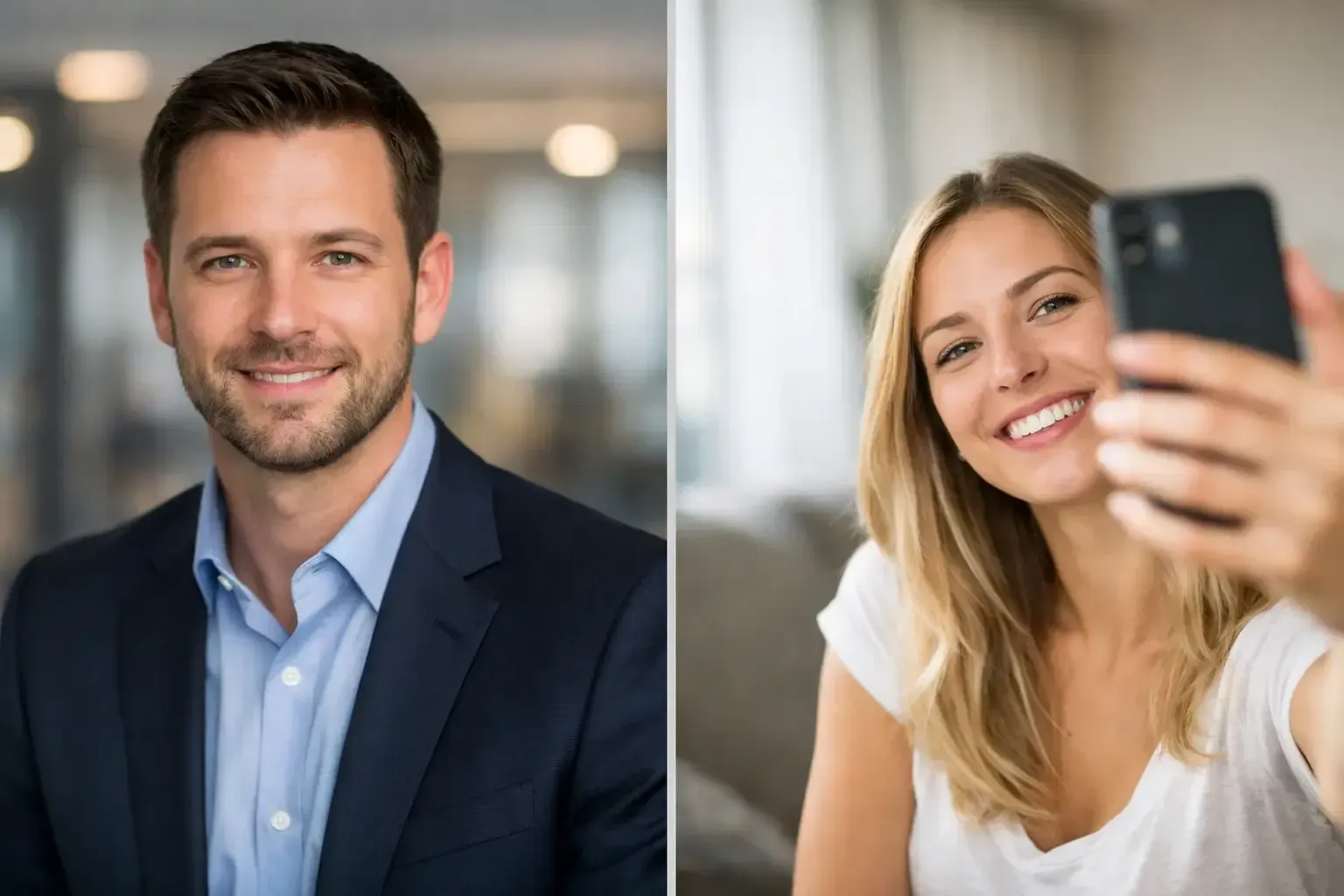
A polished headshot should make you look like yourself on a particularly confident, well-rested day - not like a different person. That distinction sits behind most headshot retouching questions. Whether you are updating a LinkedIn profile, preparing executive portraits for a company website, or selecting actor headshots, the goal is the same: refined, credible imagery that still feels unmistakably authentic.
Retouching is not an afterthought. It is a considered part of portrait production, balancing the reality of the moment with the professional presence the image needs to convey. The right approach depends on where the image will appear, how closely it will be viewed, and what you want it to say about you or your brand.
What Is Normally Included in Headshot Retouching?
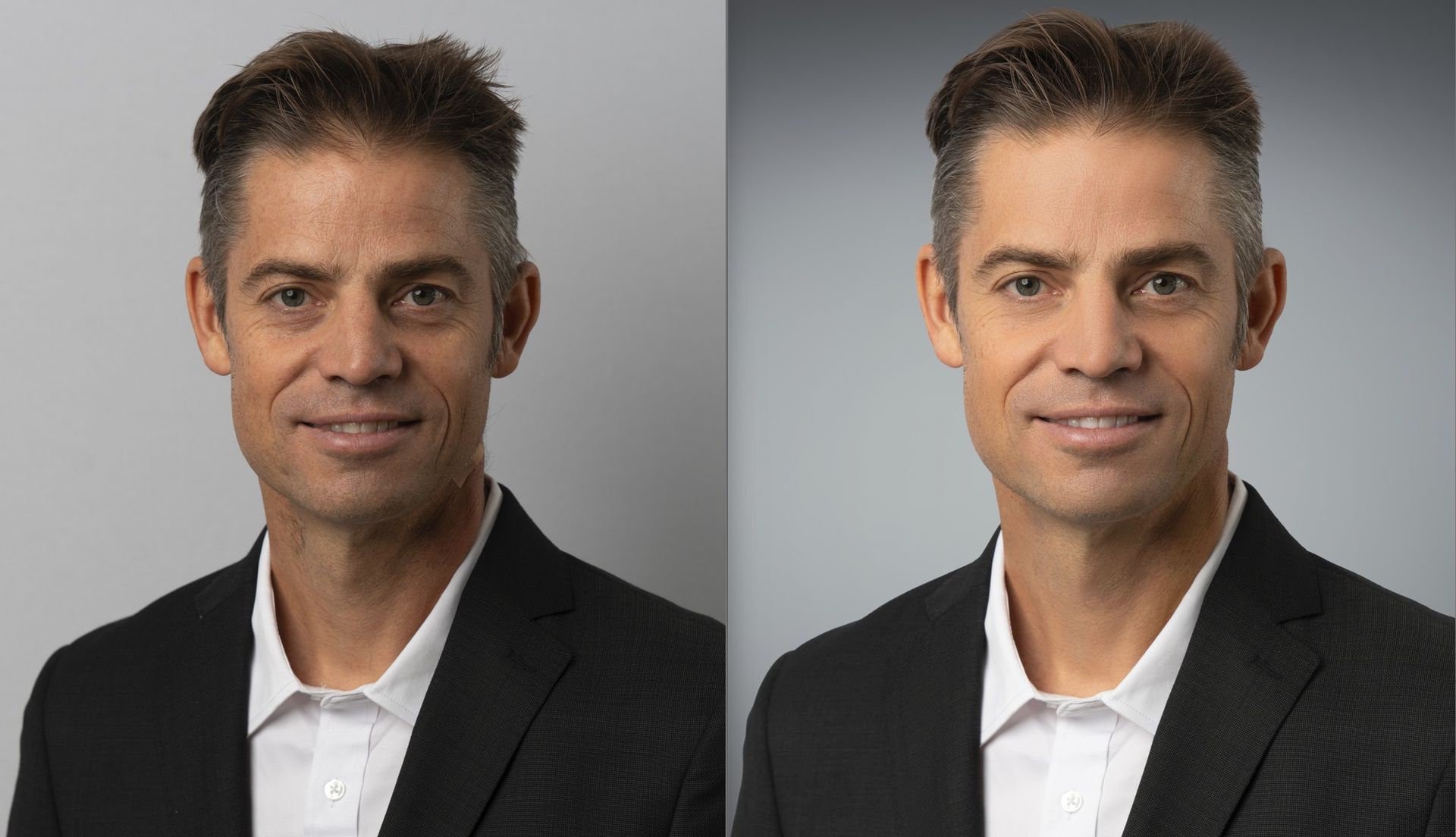
Professional headshot retouching typically begins with careful, restrained refinement. Temporary skin concerns, such as a blemish, redness, under-eye shadows, stray hairs, or a small wardrobe distraction, can be softened or removed. Color, exposure, contrast, and crop are also refined so the final image feels cohesive and flattering.
The purpose is not to erase every pore or line. Texture is part of what makes a portrait believable. When skin is overly smoothed, eyes are unnaturally brightened, or facial structure is dramatically altered, the result can feel disconnected from the person clients, colleagues, casting teams, or recruiters will meet in real life.
For corporate teams, retouching also supports consistency. Images photographed across offices, cities, or different dates can be brought into a shared visual standard through cohesive color treatment, balanced backgrounds, and a consistent level of finish. That matters when headshots appear together on a leadership page, employee directory, pitch deck, or recruiting campaign.
Headshot Retouching Questions to Ask Before Your Session
The clearest retouching conversations happen before the camera comes out. A photographer or portrait team can make better creative decisions when they understand the intended use of the photographs and the level of polish you prefer.
How natural will the final image look?
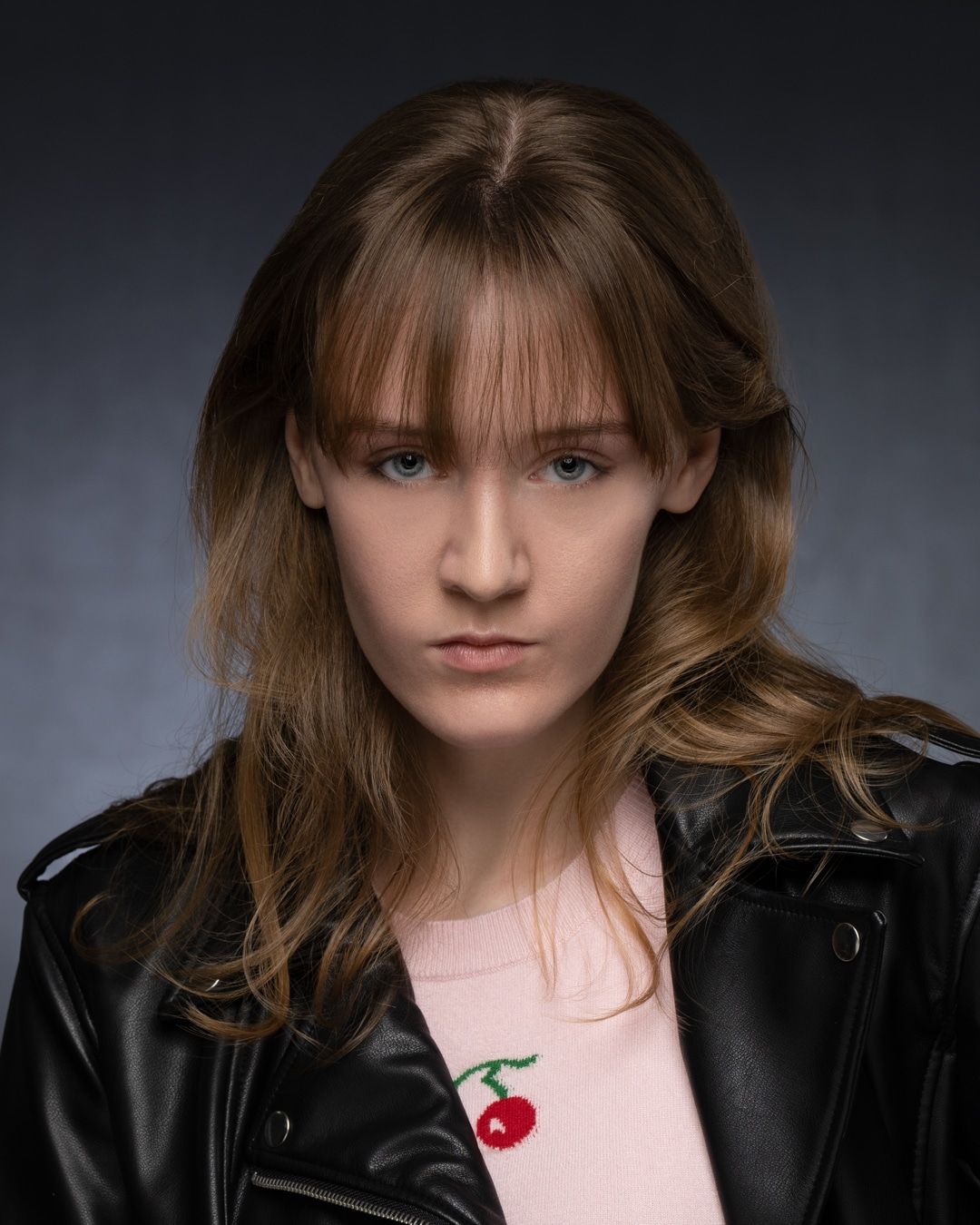
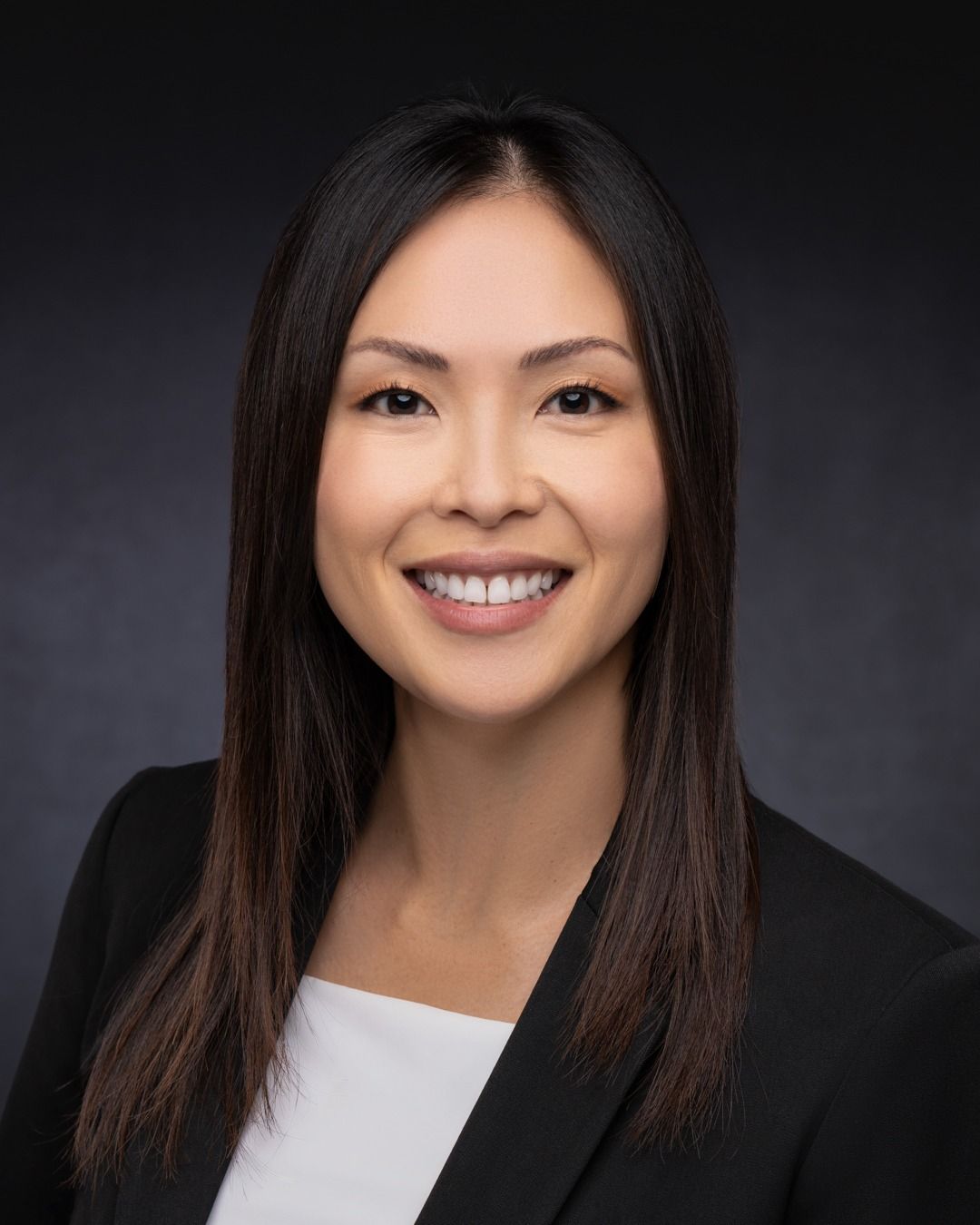
Ask to see examples of finished portraits, not only images straight from the camera. A premium retouch should be nearly invisible. You should recognize your complexion, expression, features, and energy immediately. The image may look more composed, but it should never look manufactured.
Natural does not mean unedited. Professional lighting, precise color work, and subtle skin refinement can make a meaningful difference, especially in a close-cropped headshot. It means the editing honors your actual appearance rather than chasing a temporary trend or unrealistic ideal.
Can I request specific adjustments?
Yes, and you should feel comfortable doing so. You may want a temporary blemish removed, flyaway hair cleaned up, a distracting shine reduced, or an under-eye area softened. You may also prefer certain permanent features to remain exactly as they are. A small scar, freckles, laugh lines, or a signature hairstyle may be an important part of your identity.
The best direction is specific but collaborative. Rather than asking to “fix everything,” identify what is distracting you from the image's purpose. A thoughtful retoucher can then preserve what makes the portrait personal while refining details that pull attention away from your expression.
What should not be retouched?
There is no universal answer. For an actor, recognizable features are often essential. For a founder or executive, authenticity can carry more weight than a highly perfected finish. For a personal-branding portrait, you may want editorial polish while still looking approachable and current.
As a practical guideline, temporary concerns are usually fair game; permanent features deserve a conversation. Significant changes to facial shape, body proportions, teeth, hairline, or skin tone can create an image that feels less credible and may not serve you well long-term. Retouching should strengthen confidence, not introduce an expectation you have to live up to.
How Much Retouching Is Right for Your Use Case?
The right level of editing is tied to context. A LinkedIn profile photo is small on screen, but it often shapes a first impression. It needs clarity, warmth, and professional polish more than dramatic beauty editing. A corporate leadership portrait may need to align with an established brand style. An actor headshot has different stakes, where casting professionals need an accurate sense of how you appear in the room.
Commercial and personal-branding images can support a slightly more stylized finish, particularly when they are intended for websites, campaigns, speaking materials, or press. Even then, restraint remains valuable. Viewers can sense when an image has been overworked, even if they cannot identify why.
Consider the lifespan of the image as well. Heavier editing can date quickly. A refined portrait with true-to-life skin, balanced color, and an expressive connection tends to remain useful across professional channels for far longer.
How Does Proofing Fit Into the Retouching Process?
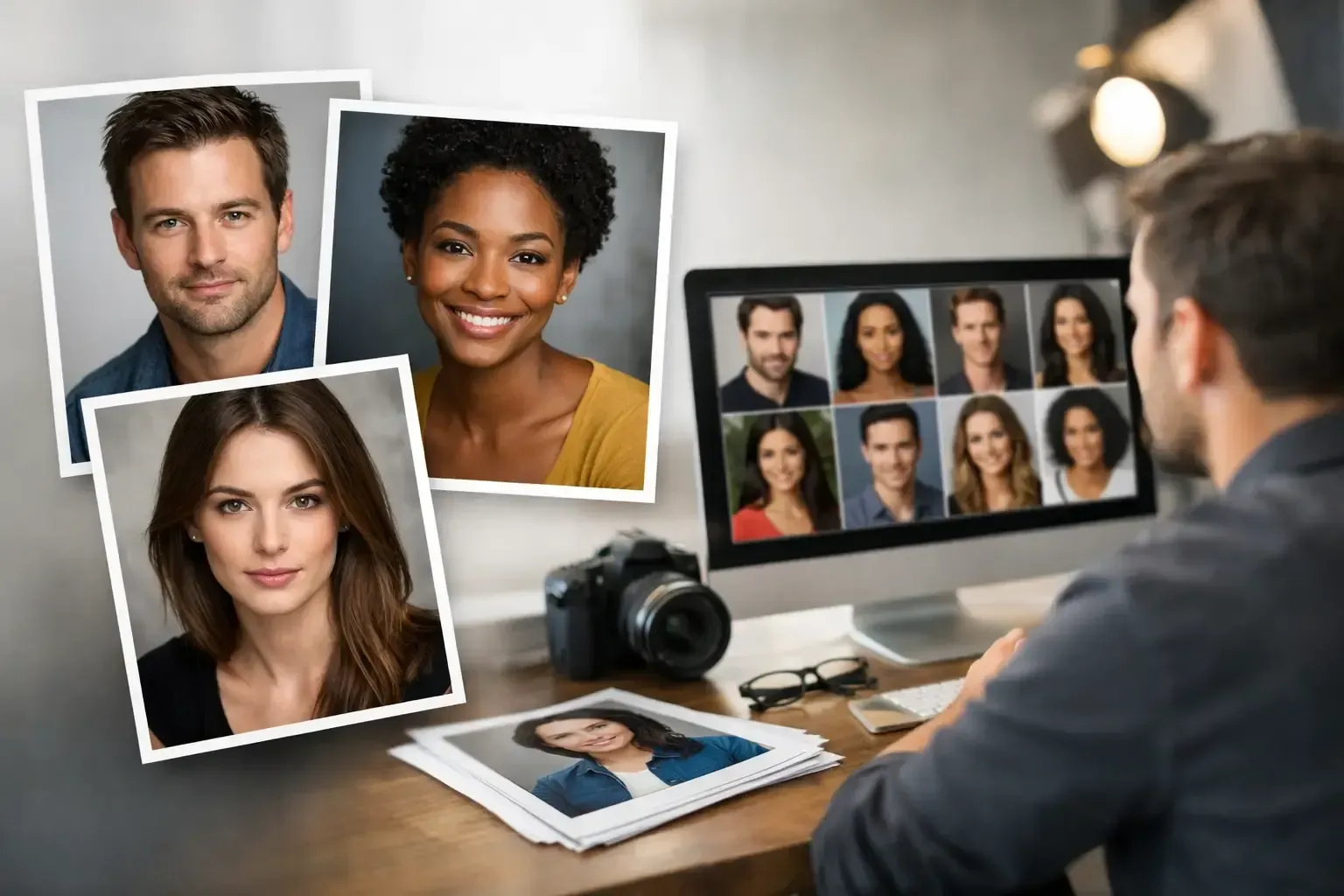
Proofing gives you a voice in the final image before detailed retouching begins. After a session, you review a curated set of photographs and select the expressions, angles, and compositions that best represent you. This is often where clients discover that their favorite image is not the one they expected.
Choose based on communication, not just technical perfection. Does the portrait look decisive, approachable, creative, or authoritative in the way you need? Does it fit the visual environment where it will be used? A strong selection should hold its own beside your website design, company branding, or other team portraits.
Once a favorite is selected, retouching can be tailored to that particular frame. At Art of Portraits, this process is designed to give clients control without adding unnecessary complexity: select the images that feel most like you, then allow professional finishing to bring them to a polished final state.
Can Retouching Correct a Poor Headshot?
Retouching can improve a good foundation, but it cannot replace one. It cannot fully rescue unflattering lighting, a stiff expression, an outdated wardrobe choice, poor focus, or a pose that does not suit you. The most convincing portraits are built in-camera through thoughtful direction, professional lighting, intentional styling, and a relaxed working experience.
That is why preparation matters. Choose clothing that supports your role and brand, arrive with enough time to settle in, and communicate any concerns before the session. If you have a preferred side, a feature you want handled sensitively, or a required company standard, share it early. A skilled photographer can adjust posing and lighting in ways that reduce the need for corrective editing later.
What Happens When a Whole Team Needs Retouching?
For organizations, the question is larger than any one portrait. A distributed team may need images captured in multiple offices or at different times, yet the final gallery must look intentional when displayed together. Consistent background treatment, framing, lighting approach, crop ratios, and retouching standards are what turn individual headshots into a unified brand asset.
The practical considerations matter, too. Marketing and people teams need a process that respects packed schedules, accommodates new hires, and produces files ready for websites, internal systems, speaker bios, and media use. Establishing retouching expectations upfront prevents delays and avoids uneven results across the team.
A useful standard is to define what “natural” means for your organization. It may include removal of temporary blemishes and wardrobe distractions, modest reduction of shine, and balanced color, while leaving facial features and individual character intact. Clear guidelines protect consistency without making every employee look identical.
When Should You Update a Retouched Headshot?
Update your headshot when it no longer represents the person someone will meet. A major hairstyle change, a shift in role or industry, a new personal brand, or several years of natural change can all be good reasons. You may also need an update when your company refreshes its visual identity or when your current photo was edited in a style that now feels too heavy.
There is no need to wait for a dramatic transformation. A current, confident portrait communicates care and credibility. It tells prospective clients, employers, collaborators, and audiences that you are present in your work and intentional about how you show up.
The best retouching is felt more than noticed. It lets your expression lead, removes small distractions, and leaves room for the qualities that no editing technique can manufacture: confidence, character, and a presence people trust.
Share