Executive Rebrand Photography Example That Works

A leadership transition can be announced in one email, but it is often understood through the image that follows. An executive rebrand photography example is not simply a new headshot with a different jacket or background. It is a deliberate shift in visual presence: one that helps a leader look prepared for the role, the audience, and the scale of the work ahead.
For a newly appointed CEO, a founder moving from startup operator to industry authority, or a senior leader entering a more public-facing role, existing imagery may no longer tell the right story. The strongest rebrand portraits retain what is authentic while refining the signals of confidence, clarity, and credibility that stakeholders look for before a conversation even begins.
What an Executive Rebrand Photography Example Reveals
Consider a chief operating officer promoted to CEO of a national services company. Her former LinkedIn portrait was warm and approachable: a close crop, casual office setting, and relaxed styling. It served her well as an internal leader. As CEO, however, her image would appear in press releases, investor communications, keynote promotions, recruiting campaigns, and the company website.
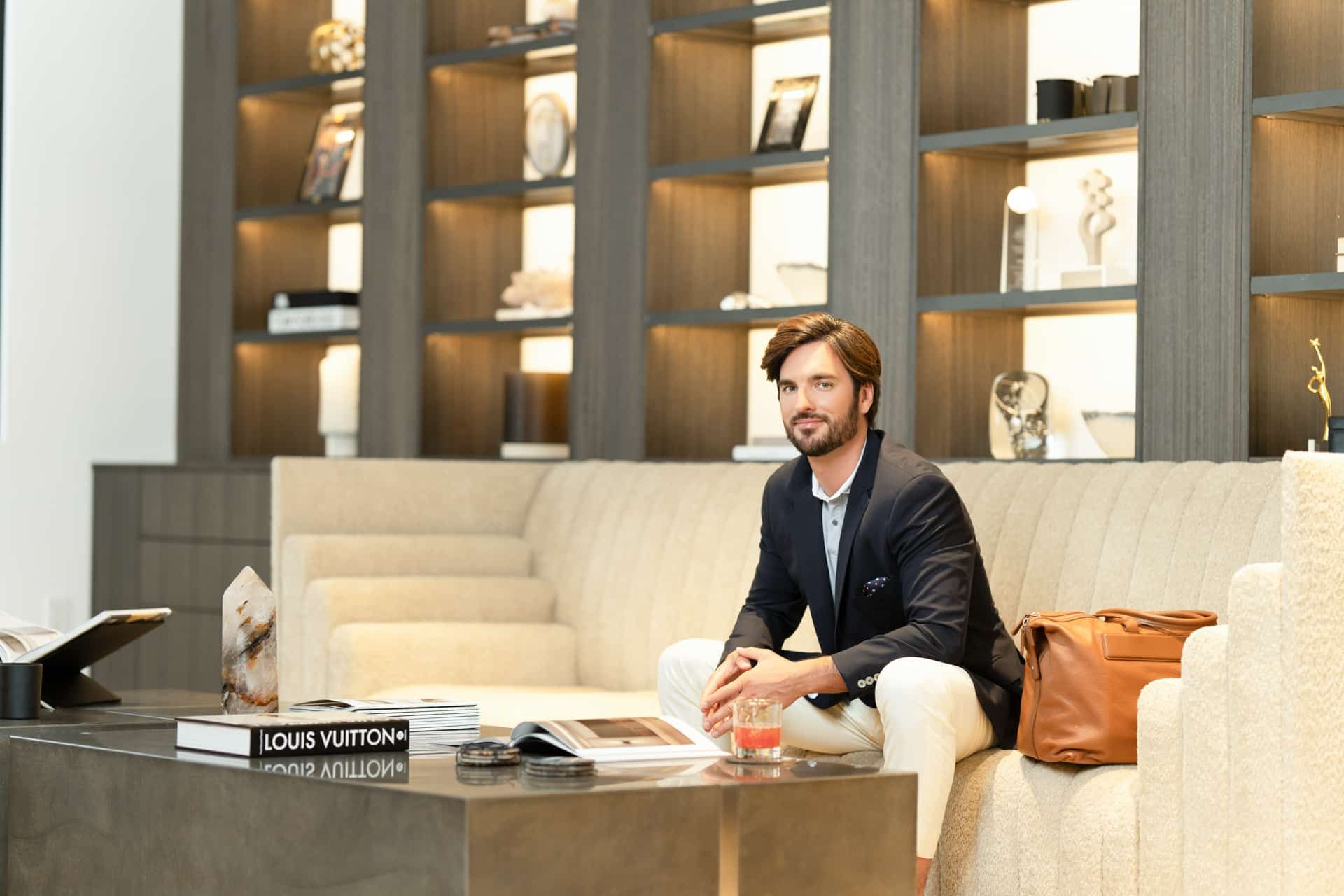
The new portrait strategy needed more range. Rather than creating one polished headshot, the session produced a visual library with a clear purpose. A composed, direct-to-camera portrait became the primary executive image. Environmental portraits in a refined office setting suggested leadership in action without resorting to staged handshakes or generic conference-room scenes. A small set of horizontal images left intentional negative space for announcements, presentation covers, and website banners.
The change was subtle but meaningful. Her wardrobe moved toward structured silhouettes and rich neutral tones. The lighting was shaped to feel dimensional and editorial, not overly dramatic. Her expression remained open, but more measured. Nothing about the final images tried to manufacture authority. They gave greater visual form to authority she had already earned.
That distinction matters. A rebrand should not make an executive look like someone else. It should make their current value and direction easier to recognize.
The Real Purpose Behind the New Portrait
Executive photography sits at the intersection of personal presence and corporate reputation. A portrait may be used by an individual, but it is often evaluated by a much wider group: board members, employees, customers, investors, media contacts, candidates, and potential partners.
A useful rebrand begins with the question, “What needs to change in the way this leader is perceived?” The answer is not always “more formal.” A visionary founder may need to look more accessible as the company expands. A creative director stepping into a corporate leadership position may need a more polished visual system without losing their distinctive point of view. A finance executive preparing for speaking engagements may need imagery that feels clear, calm, and highly credible.
The right visual direction depends on the role, the organization, and the intended audience. A portrait designed for a private equity firm will likely carry a different energy than one for a luxury hospitality brand or a mission-driven technology company. Both can be premium. Both can be refined. But they should not look interchangeable.
Build the Session Around Real Use Cases
The most common mistake in executive rebrand photography is planning for a single profile image and discovering later that the organization needs far more. A well-planned session creates assets that work across the places where leadership visibility actually happens.
The Primary Portrait
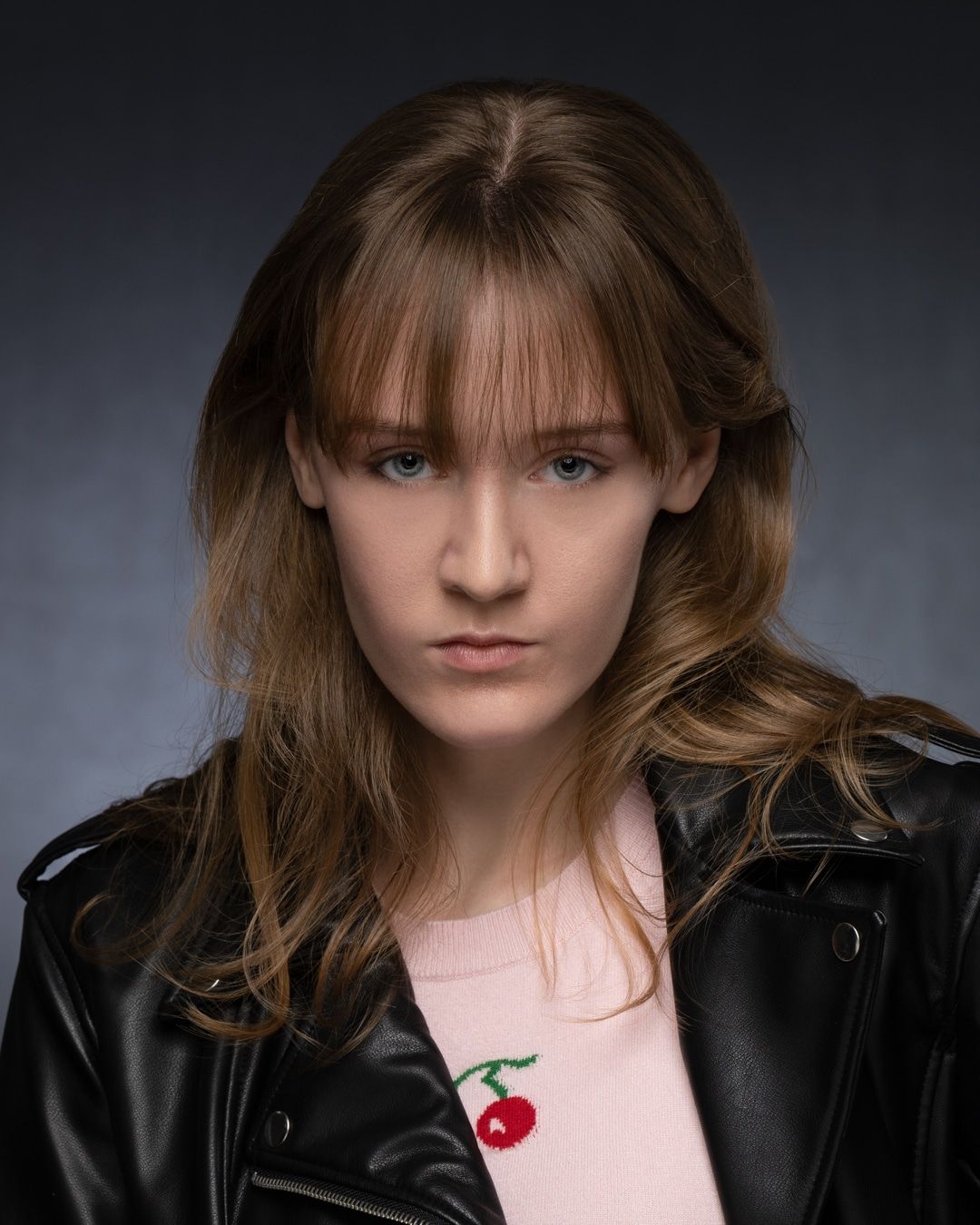
This is the image used for LinkedIn, executive bios, internal directories, press kits, and speaker pages. It should be current, beautifully lit, and easy to reproduce at different sizes. A clean composition, confident posture, and natural eye line matter more than a complicated setting.
Environmental Leadership Images
These photographs place the executive within a setting that supports the brand narrative. It may be a thoughtfully designed office, a studio, a client-facing space, or an architectural location that conveys scale and sophistication. The environment should add context, not compete for attention.
For distributed companies or hybrid teams, an on-location session can provide greater relevance than a traditional studio backdrop. Still, the location needs visual discipline. Busy desks, distracting signage, and harsh overhead lighting can undermine an otherwise polished image.
Campaign-Ready Compositions
Marketing teams need flexibility. Wider frames, vertical options, and compositions with open space allow designers to add copy without covering the subject. These images are particularly useful for leadership announcements, social media graphics, annual reports, recruiting campaigns, and event promotions.
The goal is not to create dozens of near-duplicates. It is to deliver a concise, versatile image collection that reduces future production needs and protects visual consistency.
Styling Should Support the Message, Not Distract From It
Wardrobe decisions carry more meaning than most clients expect. Color, texture, fit, and formality influence how the portrait reads before viewers register the details. For executive rebranding, the best styling is usually intentional rather than trend-driven.
A tailored jacket can bring structure to a portrait, while a softer fabric or open collar can preserve warmth. Solid colors tend to photograph well and keep the focus on the face. Deep navy, charcoal, cream, forest green, burgundy, and muted blue often offer polish without feeling severe. The exact palette should also consider the company’s visual identity, intended backgrounds, and the executive’s natural coloring.
It depends, however, on the leader’s field and public role. A technology founder may be most believable in elevated casual attire. An attorney, wealth advisor, or senior health care executive may benefit from more traditional tailoring. The right choice is the one that feels aligned with the professional reality, not an imagined version of executive status.
Professional grooming and thoughtful hair and makeup support the camera without erasing personality. Retouching should refine distractions while preserving real skin texture, expression, and character. The result should look polished on a website and recognizable in person.
Direction Is What Makes Confidence Visible
Most executives are not professional models, and they do not need to be. They need a photographer who can translate experience and personality into strong visual choices.
Clear direction makes a session more efficient and less self-conscious. Small adjustments to shoulder angle, hand placement, chin position, and pace can change a photograph dramatically. A relaxed expression is not created by asking someone to “ look natural.” It comes from a collaborative process, a calm environment, and enough time to let the subject settle into the frame.
For leaders who dislike being photographed, the most effective sessions are often tightly planned. A consultation establishes wardrobe, locations, shot priorities, and the intended use of the images before the camera comes out. On session day, the executive can focus on the conversation and direction rather than making a series of uncertain decisions.
Consistency Matters When the Rebrand Extends to a Team
An executive rebrand can expose a larger visual issue: the leadership team may be represented by a mix of outdated selfies, cropped event photos, and unrelated studio headshots. If the company is refreshing its leadership page, employer brand, or media presence, a coordinated photography approach can create immediate cohesion.
Consistency does not mean every person receives the exact same image. It means lighting, color treatment, framing, background approach, and retouching standards feel connected. This is especially valuable for organizations with offices in multiple cities. A coordinated production plan can preserve the brand standard while accommodating local schedules and locations.
Art of Portraits approaches this work as both portraiture and brand infrastructure. The creative direction should elevate each individual while giving marketing and people teams imagery that is ready to use, easy to organize, and consistent across channels.
When a Rebrand Portrait Is Not Enough
A new portrait is powerful, but it cannot solve a brand message that remains unclear. If an executive is changing industries, launching a consultancy, or taking a company through a major repositioning, photography should be paired with aligned bios, website messaging, social content, and media materials.
There is also a timing consideration. Photographing too early can create images that no longer match the role or launch plans. Waiting too long can leave a new leader represented by outdated visuals during a critical public period. The best timing is usually close enough to the announcement that the imagery feels current, but far enough ahead to allow for selection, retouching, and design production.
A successful executive rebrand portrait does more than make a leader look polished. It gives their next chapter a visible center of gravity - composed, credible, and unmistakably their own.
Ready to bring your vision to life? Let’s create images that make an impact.