Corporate Photography Services That Build Trust

A prospective client lands on your website, scans the leadership page, and decides within seconds whether your organization feels established, credible, and ready for their business. Corporate photography services shape that decision long before a conversation begins. The right imagery gives people a clear sense of who leads your company, how your team works, and what level of care they can expect.
For growing companies and established brands alike, photography is not a last-minute marketing detail. It is a visible expression of culture, confidence, and standards. A carefully art-directed portrait can make an executive more approachable. Consistent team headshots can make a distributed organization feel unified. Well-planned workplace imagery can turn an ordinary careers page into a persuasive recruiting tool.
What Corporate Photography Services Actually Deliver
Professional corporate photography should produce far more than a folder of attractive images. It should create a versatile visual library that supports the places your brand is seen most often: your website, LinkedIn profiles, press materials, recruiting communications, sales presentations, internal announcements, and campaign creative.
The strongest work begins with intention. A financial advisory firm may need composed, refined executive portraits that communicate discretion and authority. A technology company may need candid environmental imagery that shows collaboration, momentum, and an energetic culture. A law firm, healthcare group, architecture practice, or national nonprofit will each require a different balance of polish, warmth, and visual restraint.
That distinction matters because stock imagery rarely carries the same weight as photographs of the people actually behind the work. Original images allow your organization to show its real leadership, offices, products, and client experience while maintaining the visual discipline expected of a premium brand.
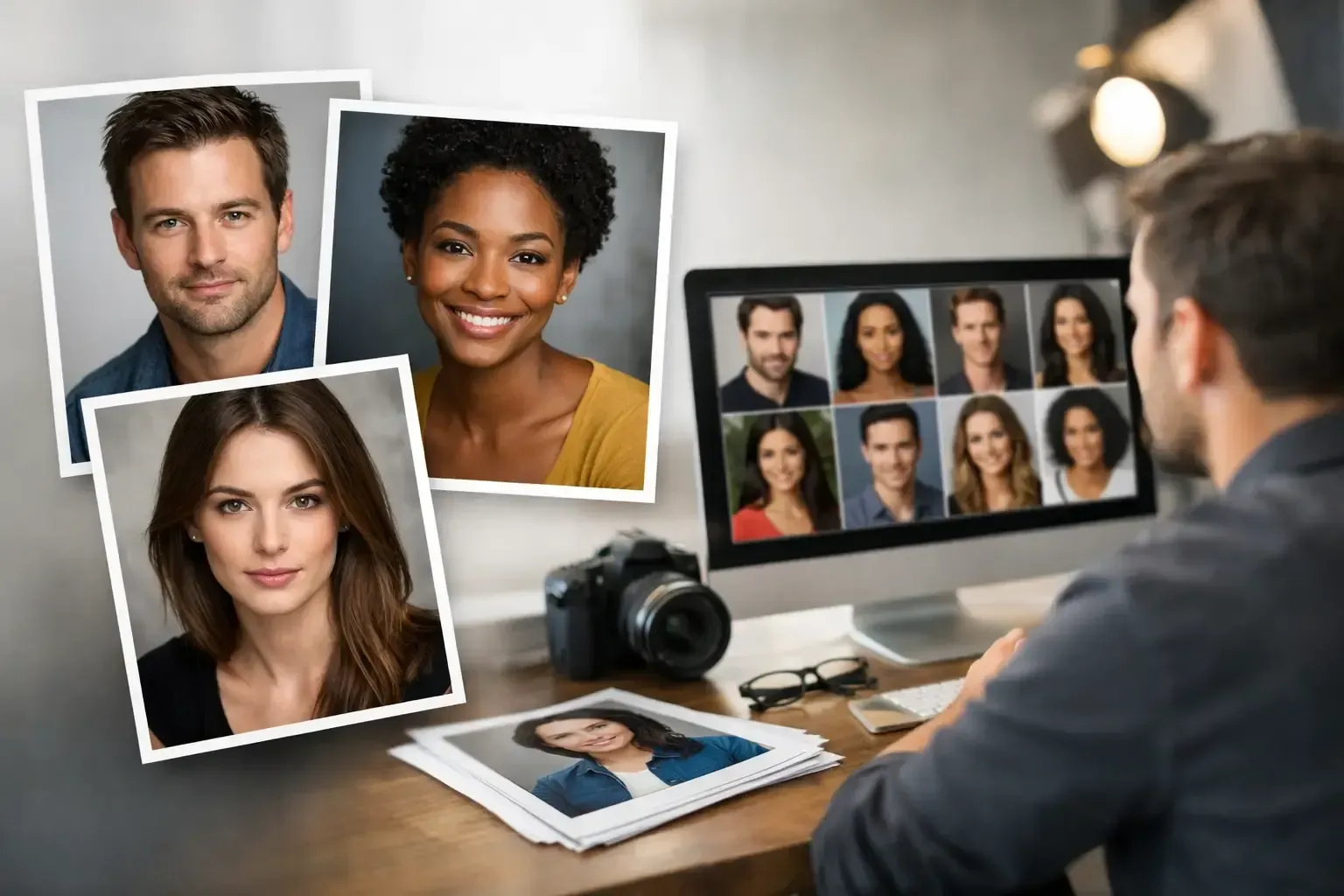
Executive and Team Headshots
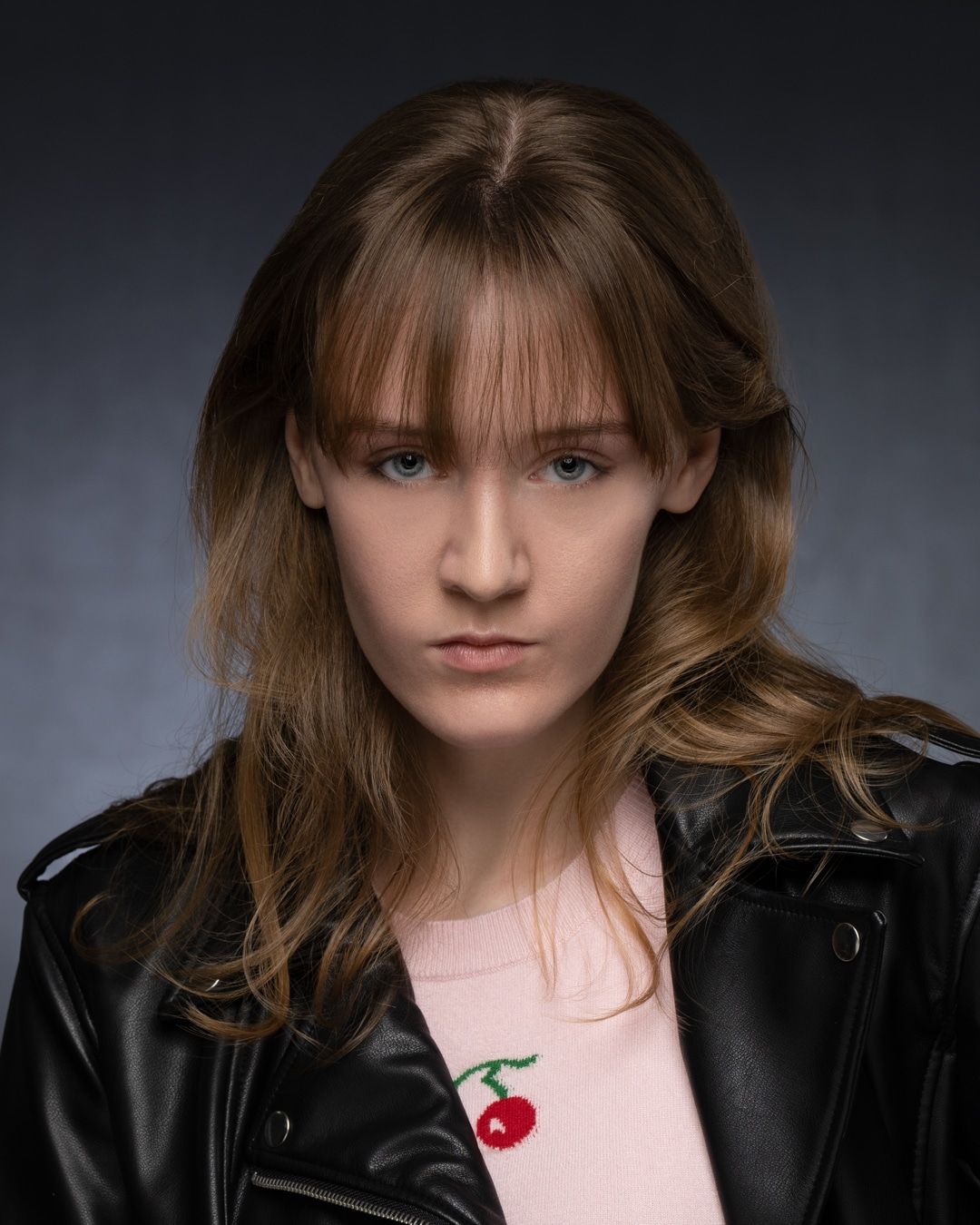
Headshots are often the most immediate use of corporate photography. They appear beside bylines, proposals, speaker introductions, employee directories, and professional profiles. When they are consistent in lighting, background, framing, and retouching, they create an organized and credible impression across the entire organization.
Consistency does not mean every person should look identical. The best sessions preserve personality while working within a shared visual standard. A relaxed expression, thoughtful direction, and flattering light can make even camera-shy employees look confident and natural. This is especially valuable when a team includes both seasoned leaders and new hires who have never had a professional portrait made.
Brand, Workplace, and Environmental Imagery
A headshot tells people who is on your team. Environmental photography shows how your brand comes to life. It may document a strategy session, a founder meeting with clients, specialists at work, a product demonstration, or the small details that give a workplace its character.
These photographs require more planning than candid snapshots suggest. The photographer needs to understand the story behind the image, choose locations with strong light and minimal distraction, and direct activity without making the scene feel staged. The final result should feel authentic, yet refined enough for a homepage, annual report, or paid campaign.
Event Coverage With a Brand Purpose
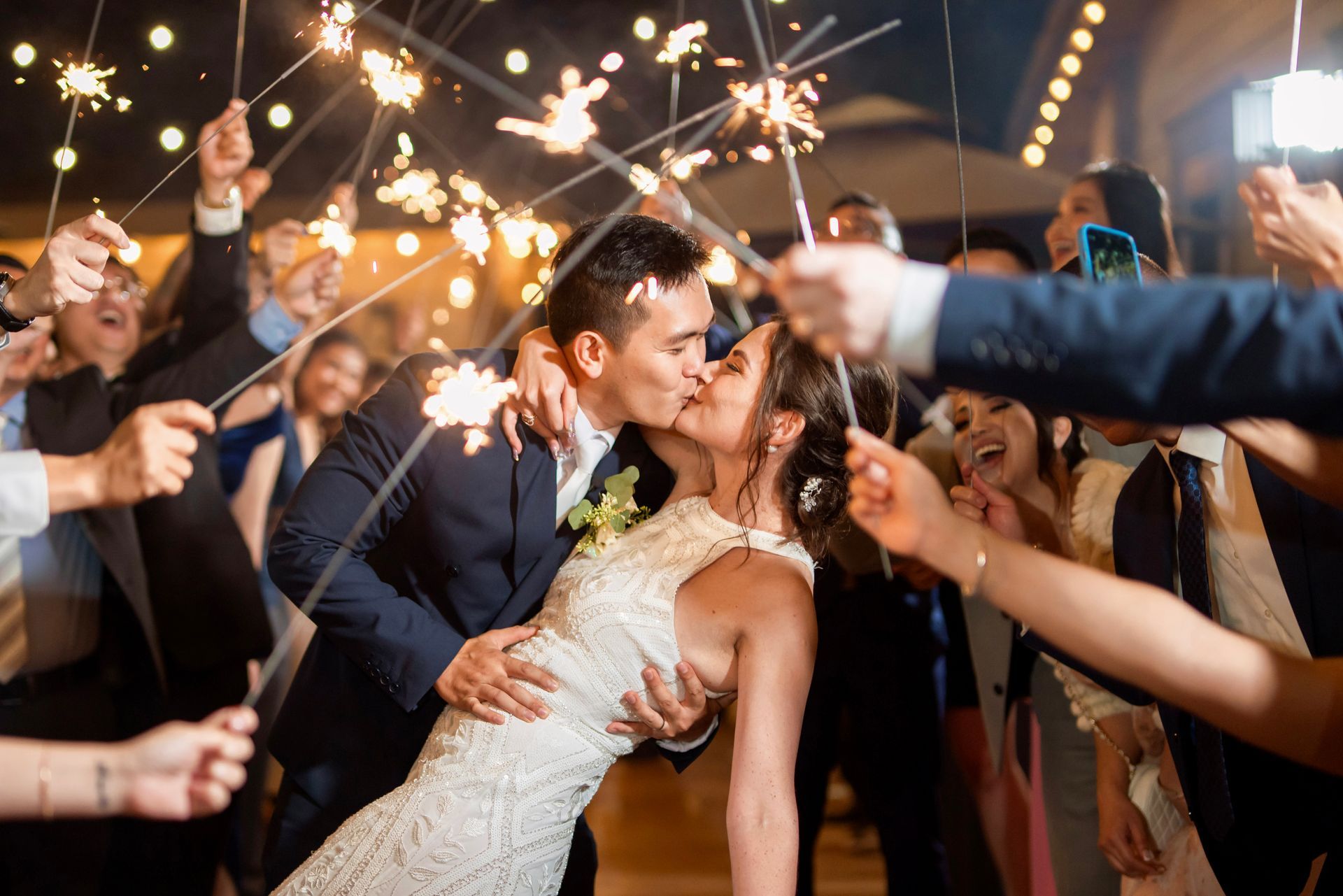
Corporate events move quickly. Keynote moments, networking, award presentations, sponsor visibility, and guest reactions cannot be recreated once the room clears. Experienced event photography captures the energy of the occasion while protecting the details that matter to marketing and communications teams.
The useful deliverable is not simply a gallery of attendees. It is a set of images with purpose: wide room views for scale, speaker portraits for future promotion, branded details for sponsors, candid connection for social content, and polished highlights ready for fast post-event use. The schedule, venue lighting, and intended distribution channels all affect the approach.
A Better Planning Process Produces Better Images
The most successful sessions are efficient because the creative choices are made before the camera arrives. A consultation should establish what you need, where the images will live, and how they should feel. That includes wardrobe guidance, background selection, usage priorities, team size, office access, and whether the brand needs a more formal or editorial visual direction.
For a single executive portrait, planning may be brief and focused. For a multi-office organization, the process becomes more operational. Marketing and people teams may need a repeatable approach that can be used for new hires in several cities without visual drift. In that case, a documented lighting setup, consistent retouching approach, centralized proofing, and a clear naming process are as valuable as the photography itself.
Art of Portraits approaches this work as a collaboration between [creative direction](https://www.artofportraits.com/services/commercial-branding-photography) and business practicality. The goal is polished imagery that feels elevated while fitting into real schedules, real offices, and real marketing workflows.
Build Around the Workday, Not Against It
A corporate session should not leave employees wondering when they can return to their responsibilities. On-site headshot stations, timed appointments, and clear pre-session communication help keep the day moving. For larger teams, a dedicated coordinator or point person can manage the flow while the photographer focuses on each subject.
Flexibility is particularly important for hybrid and distributed teams. Some organizations benefit from a primary office shoot followed by coordinated sessions in regional markets. Others may need a mobile photography program for leadership meetings, acquisitions, conferences, or new-office launches. A scalable photographer network can preserve brand standards while reducing travel burdens and scheduling friction.
There are trade-offs to consider. A studio-style background offers maximum consistency and works beautifully for directories and LinkedIn profiles. Environmental portraits can feel more distinctive and connected to your culture, but they require greater attention to location, weather, background activity, and changing light. Many organizations benefit from both: a clean headshot for practical use and a more editorial portrait for feature stories and executive communications.
How to Choose a Corporate Photography Partner
Technical competence is essential, but it is only the starting point. A business photography partner should be able to translate a brand brief into images that are usable across channels and easy for your team to manage afterward.
Look closely at the photographer's ability to direct people, not just photograph them. Executives and employees need calm, respectful guidance that helps them look composed without feeling overly posed. Ask how the team handles proofing, retouching, file delivery, and image organization. These details determine whether the final assets become a working library or a collection that is difficult to find and use.
It is also wise to discuss visual consistency early. If your company already has a recognizable style, the photographer should understand your existing brand colors, layouts, and image preferences. If you are building a new identity, photography can help establish the visual language from the beginning. The right partner will ask thoughtful questions about audience, placement, and desired perception before suggesting a creative direction.
For multi-location work, confirm how quality is maintained from city to city. A national or regional network can be a major advantage, but only when it is supported by clear art direction, shared production standards, and unified post-production. Convenience without consistency can weaken the very brand impression the project is meant to strengthen.
Make Every Final Image Usable
Photography earns its value through use. Before the session, create a practical shot plan that accounts for immediate needs and upcoming initiatives. You may need leadership portraits for a website refresh, team images for recruiting, workplace details for social media, and horizontal banner images for a new campaign. Capturing these needs in one production can be more efficient than scheduling separate shoots throughout the year.
Afterward, establish a simple system for distribution. Provide employees with their approved headshots in the correct formats, place campaign-ready files where marketing can access them, and retain a curated archive for future communications. Professional retouching should enhance the image without erasing the person. The aim is a rested, polished, recognizable version of each subject, not an artificial one.
Your people, leadership, and workplace already tell a story about your standards. Give that story the attention it deserves, then put the resulting images to work wherever trust needs to be earned.
Share