A practical guide to usage rights, copyright, and planning image licenses for your brand.
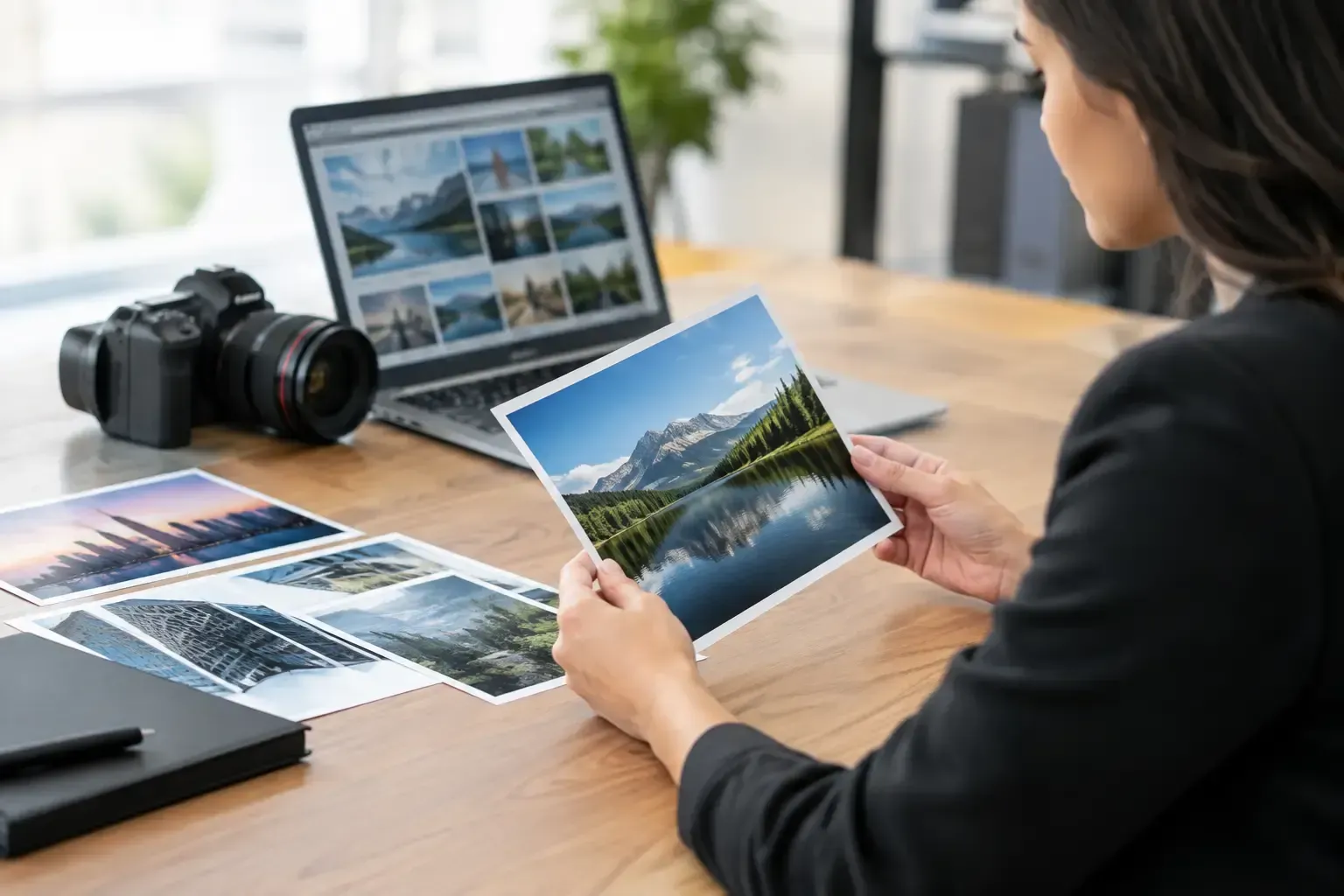
A striking campaign image can carry a brand across a website, a recruiting presentation, a paid social ad, and a trade-show wall. That versatility has real value, which is why commercial photography licensing deserves attention before the first frame is made. The agreement determines how finished images support your business, protects the creative work behind them, and prevents an otherwise successful shoot from becoming an avoidable rights conversation later.
For marketing teams, founders, and executives, licensing should not feel like legal friction. It is a practical way to align an image investment with the channels, audiences, and lifespan of a campaign. When the terms are clear, your team can publish with confidence and your photographer can price the work fairly for its intended reach.
What Commercial Photography Licensing Actually Covers
A commercial photography license is permission from the copyright holder, typically the photographer, for a client to use specific images in defined ways. Purchasing a photography session, receiving edited files, or paying an invoice does not automatically mean the client owns the copyright. In most cases, the photographer retains it while granting the client usage rights.
That distinction is not a technicality. Copyright is ownership of the creative work. A license is a carefully defined permission to reproduce, display, distribute, crop, or adapt that work for agreed purposes. The strongest agreements describe the practical reality of use rather than relying on vague phrases such as “full rights.”
For example, a professional-services firm may commission executive portraits for its website, LinkedIn profiles, press releases, and internal communications. A consumer brand may need a broader license for an image featured in paid advertising, retail signage, packaging, and a national campaign. Both are commercial uses, but their value, exposure, and requirements are very different.
The Terms That Shape Image Value
Licensing is not one-size-fits-all because an image’s value changes with its reach and role. A photographer will usually shape commercial terms around several connected questions.
Where will the images appear?
Usage may be limited to owned channels, such as your website, email newsletters, organic social media, presentations, and internal materials. It may also include paid digital advertising, print ads, billboards, broadcast, product packaging, point-of-sale displays, or third-party publications.
Owned-channel use is often more straightforward because the client controls the placement. Paid advertising and out-of-home media can carry greater value because they place an image before a much larger audience, sometimes repeatedly and across multiple markets. A portrait intended for a company biography has a different commercial scope than the same portrait used to endorse a product in a national ad.
How long can your brand use the work?
A license may be perpetual, meaning it does not expire, or time-limited for a period such as one, two, or three years. Neither approach is automatically better. Perpetual rights can be useful for evergreen brand imagery and long-term website assets. A limited term may make more sense for a campaign with a defined run, seasonal creative, or a product launch that will soon evolve.
When a term ends, the client may need to remove the imagery or renew the license. Build a review date into your campaign calendar, especially for paid media, printed collateral with future reorders, and long-running landing pages.
Which territory is included?
Territory identifies the geographic area where images may be used. It can range from a single city or region to the United States, North America, or worldwide. A local medical practice may need regional use; a technology company hiring across several countries may need global digital rights.
Digital publishing complicates territory because a website can be viewed anywhere. The agreement should state whether worldwide web and social use is included, rather than assuming online distribution resolves the question.
Is the use exclusive?
An exclusive license prevents the photographer from licensing the same final image, or sometimes similar images from the session, to another party within a defined category, territory, and time frame. Exclusivity can be valuable when a campaign depends on visual distinction or when a recognizable subject represents a brand.
It also carries a cost because it restricts how the photographer can use their work. Ask for exclusivity only where it serves a clear business purpose, and define it precisely. “Exclusive for all uses forever” is rarely necessary for a corporate headshot program.
Who may use the images?
A license should identify the licensee. Is it the parent company only, or may affiliates, subsidiaries, franchisees, agencies, media partners, and distributors use the files? A marketing agency working on behalf of a client may need access to images, but that does not necessarily mean it receives independent ownership or unrestricted rights.
Clarifying this point helps distributed teams work efficiently without creating a chain of informal file sharing that exceeds the original agreement.
Copyright, Model Releases, and Other Permissions
Commercial use often involves more than the photographer and the client. If recognizable people appear in images, a model release may be needed to use their likeness for advertising or promotion. This is especially relevant for employee campaigns, lifestyle photography, customer stories, and talent-led creative.
An employee’s willingness to participate in a team photo is not always the same as permission to appear in a paid campaign or a national recruitment ad. A well-written release identifies the uses contemplated, gives the organization and photographer appropriate permission, and accounts for the reality that campaigns may travel across channels over time.
Locations, private properties, artwork, trademarks, wardrobe, and props can also introduce permission questions. A polished image of an executive in a distinctive venue may not be usable in every context if the property agreement is limited. The same applies to a visible piece of artwork or a third-party product that becomes prominent in the composition.
For campaigns with meaningful media spend, regulated industries, recognizable talent, or product packaging, involve your legal team early. A photographer can explain the license they are offering, but they should not be expected to provide legal advice for your organization’s particular risk profile.
How to Scope Licensing Before the Shoot
The most efficient licensing conversation happens during creative planning, not after final galleries are delivered. Before requesting a quote, identify the business purpose of the photography. Are you refreshing leadership portraits, building a year of organic content, launching a paid campaign, recruiting across multiple markets, or creating assets for a new product line?
Then map the likely uses with honesty. Teams sometimes describe a project as “website and social” only to realize later that paid ads, sales enablement materials, partner toolkits, and press outreach are all part of the launch. It is usually easier to include foreseeable use at the outset than to scramble for expanded rights after creative is live.
Share these details with your photographer:
- The channels you expect to use, including paid and unpaid placements
- The campaign territory and anticipated duration
- Whether the images will feature employees, customers, professional models, or executives
- Whether agencies, affiliates, or partners need access
- Whether exclusivity, editorial publication, packaging, or resale is part of the plan
This level of clarity does not require a perfect media plan. It gives the creative team enough context to recommend terms that fit the assignment. For a multi-city headshot program, for example, the priority may be consistent website, recruiting, and internal use across the organization. For a brand campaign, the conversation may extend to talent releases, media budgets, paid usage periods, and agency handoffs.
Common Misunderstandings to Avoid
The phrase “work for hire” is often used casually, but it has a specific legal meaning and may not apply simply because a business commissioned the photography. If your organization truly needs copyright ownership, address that in writing before the shoot. Ownership transfers can be appropriate in certain circumstances, but they are different from a broad commercial license and are typically priced accordingly.
Another misconception is that editing an image creates new rights. Cropping a portrait for a banner, adding copy for an ad, or using a file in a social template may be permitted under the license, but it does not erase the photographer’s copyright. Ask about permitted alterations, retouching standards, overlays, and derivative uses before your design team begins production.
Finally, do not treat stock imagery and commissioned photography as interchangeable. Stock licenses are built for broad, repeatable availability, often with restrictions that vary by provider. Commissioned imagery is created around your people, spaces, and brand story. Its licensing should reflect that bespoke value and the specific visibility your campaign requires.
A Better Standard for Brand Image Planning
Strong commercial photography begins with intention: what should the audience feel, what should they understand, and where will the image do its work? Licensing belongs in that same conversation. It gives creative ambition a practical structure, ensuring the refined portrait, campaign scene, or employer-brand image can appear where your business needs it without ambiguity.
At Art of Portraits, that planning supports an experience built around both artistry and usable outcomes, from polished proofing and retouching to brand-consistent delivery for teams. The most valuable images are not merely beautiful files in a gallery. They are assets your organization can confidently put to work, with permissions that match the presence you intend to build.
Elevate Your Brand
Authentic commercial and branding photography is essential for modern businesses. When your visuals reflect real people and real experiences, your brand becomes more memorable and trustworthy.
Commercial & Branding Photography starts at $850.
Pricing may vary based on scope, usage, team size, and licensing needs.
Share