
Personal Branding Photography That Builds Trust
A potential client has already formed an impression before they read your bio, review your credentials, or book a call. They see your profile image, your website banner, a podcast announcement, or the face beside a proposal. Personal branding photography gives that first moment intention: an image that feels polished without feeling distant, refined without losing the person behind the business.
For executives, entrepreneurs, consultants, creatives, and growing teams, this is not simply a better headshot. It is a focused visual library built around how you work, what you value, and where your audience encounters you. The right images make your professional presence easier to recognize and easier to trust.
A Headshot Shows Your Face. A Brand Session Shows Your Value.
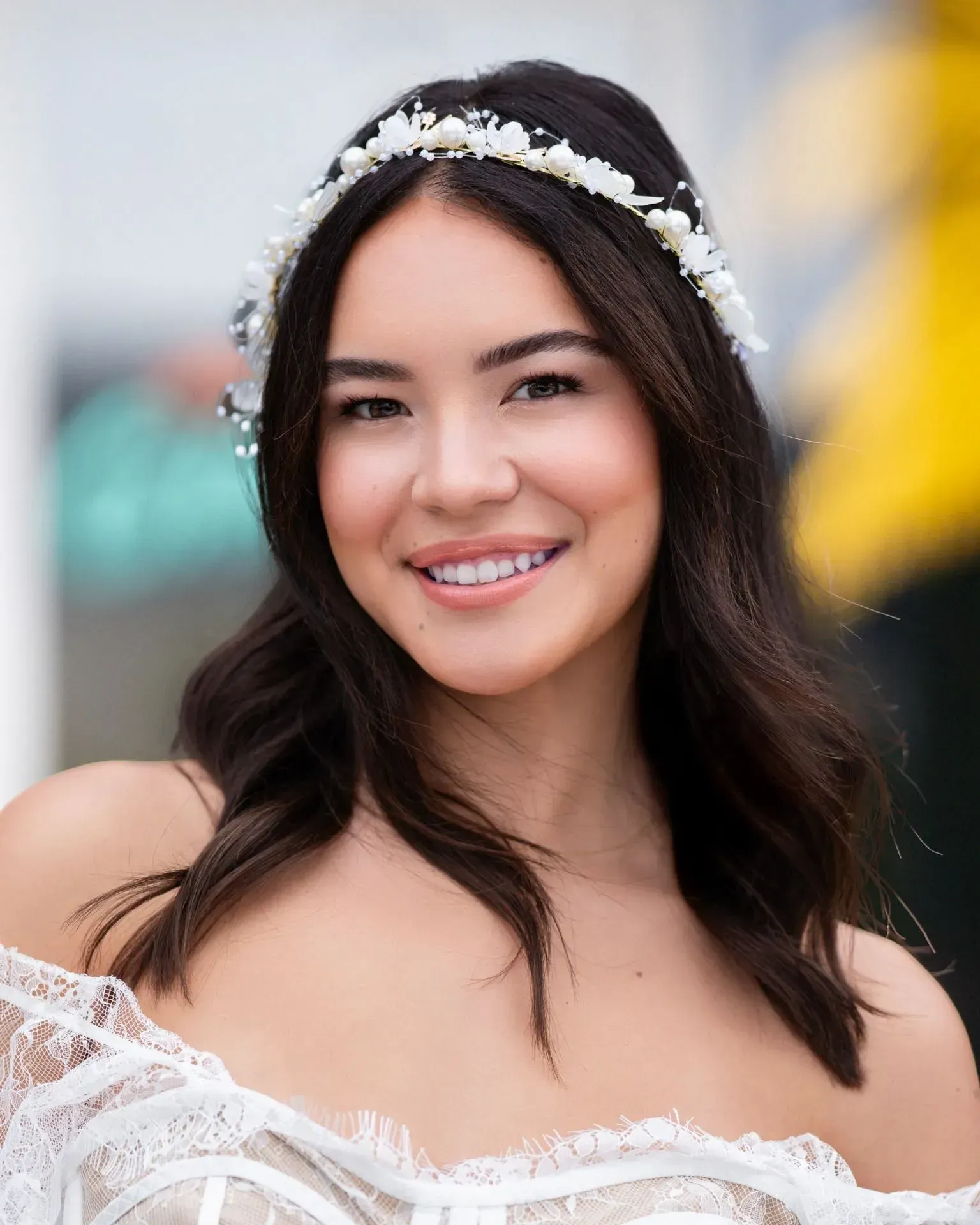
A traditional headshot has a clear job. It presents you professionally, usually from the shoulders up, for a LinkedIn profile, company directory, speaker page, or press request. It is essential, and a well-made headshot remains one of the most useful assets a professional can have.
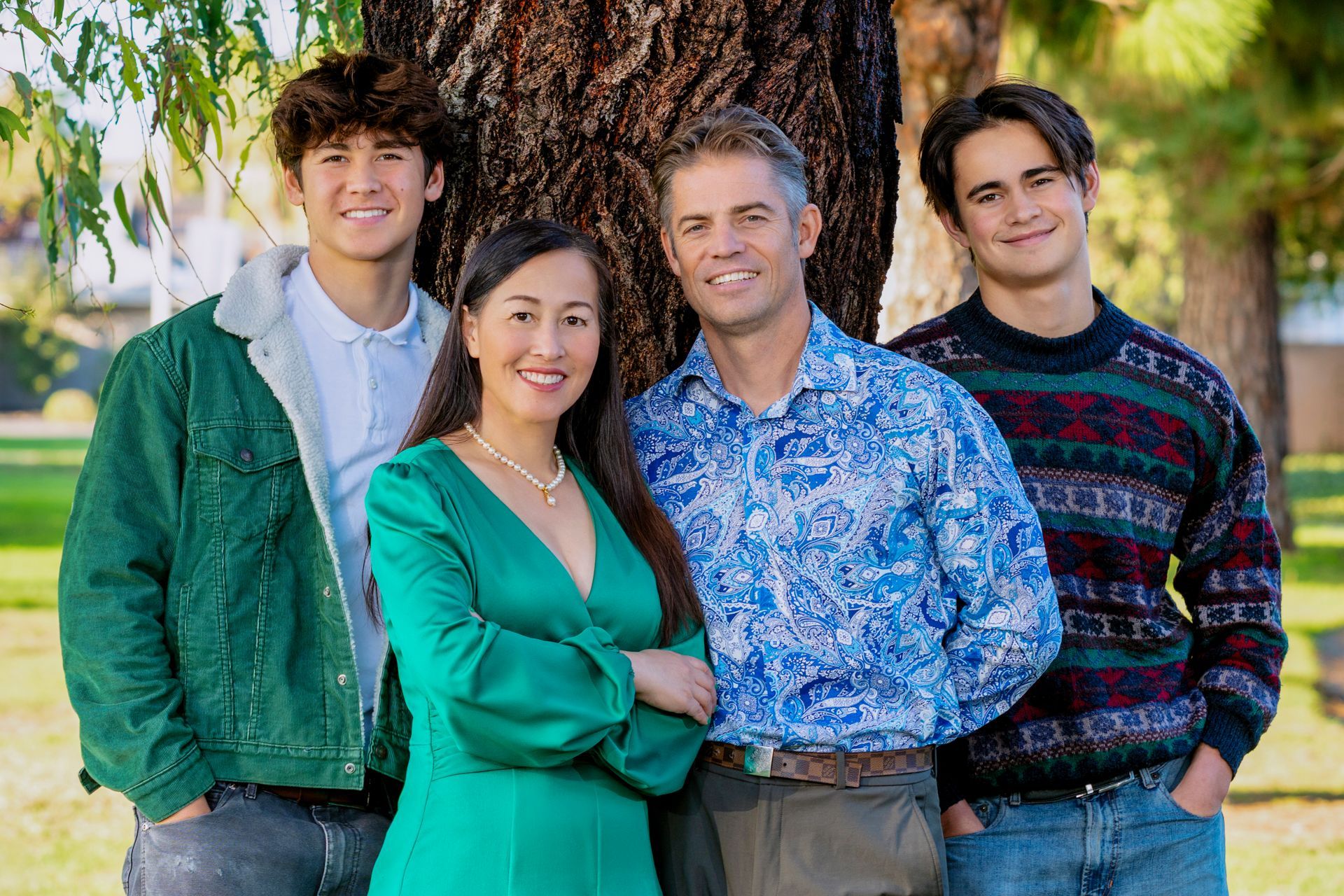
Personal branding photography serves a broader purpose. It may include a hero portrait for your website, environmental images of you at work, detail shots of your tools or process, vertical images for social content, and composed moments that suggest leadership, approachability, expertise, or creative point of view. Together, these photographs give your marketing team and your future self more to work with.
That distinction matters when your business relies on personal connection. A financial advisor may need calm, confident portraits in a polished office setting. A designer may benefit from expressive images in a studio, surrounded by materials and works in progress. A founder who speaks often may need clean, editorial images with negative space for event graphics. The image style should support the role, not follow a trend that could belong to anyone.
What Strong Personal Branding Photography Communicates
The best brand imagery does not try to say everything at once. It makes a few meaningful signals feel clear and believable. Your expression, wardrobe, lighting, location, composition, and retouching all contribute to that message.
For many professionals, the goal is confidence with warmth. For others, it is precision, authority, creative energy, or quiet sophistication. None of those qualities require a stiff pose or an artificial smile. In fact, overly performative images can weaken trust. People respond to visual confidence when it still feels human.
A thoughtful session also creates consistency. When your website, LinkedIn profile, sales deck, social channels, and press materials use images from the same visual world, your brand feels more established. Consistency does not mean repetition. It means each image belongs to the same standard of quality and carries the same professional point of view.
This is especially valuable for organizations with visible leaders or client-facing teams. A collection of mismatched profile photos can make even a sophisticated company appear fragmented. Coordinated photography brings a shared level of polish while leaving room for individual personality.
Start With Where the Images Will Be Used
The most efficient sessions begin before the camera comes out. Rather than choosing a location or outfit based solely on what looks appealing, identify the actual placements your photos need to serve over the next six to twelve months.
A consultant preparing for a website refresh may need horizontal images with room for copy, a set of natural LinkedIn portraits, and a few working images for service pages. An executive may need an elevated headshot, boardroom images for announcements, and versatile crops for speaker materials. A real estate professional may need imagery that can move easily between listing presentations, direct mail, social posts, and local media.
Usage affects every creative decision. A tightly cropped portrait may look excellent on a profile page but offer little flexibility for a website header. A vertical composition may perform well on social platforms but not in a presentation deck. A skilled photographer plans for these differences during the session, not after delivery.
Bring practical questions to the consultation: Which channels need new imagery? What is changing in your business? Who needs to recognize and trust you? Are you promoting a service, applying for leadership opportunities, building a media presence, or recruiting talent? Clear answers keep the session focused and prevent a gallery full of beautiful photographs that have no defined job.
Build a Visual Direction That Feels Like You
There is no single correct aesthetic for a personal brand. Bright, airy imagery may suit a wellness founder or approachable coach. Richer tones and directional lighting may better suit an attorney, architect, or luxury service provider. A clean neutral backdrop may be the smartest choice when a corporate team needs lasting images across multiple markets.
The decision should reflect both your audience and your industry. If you work in a highly regulated field, visual clarity and restraint may create more confidence than a highly stylized editorial treatment. If you lead a creative business, a bit more texture and personality may be exactly what differentiates you. The trade-off is between distinctiveness and longevity. The more trend-driven the styling, the more quickly it may date.
Wardrobe is part of the visual direction, but it does not need to become a source of stress. Choose clothing that fits well, photographs cleanly, and feels aligned with the level of service you offer. Solid colors and subtle textures generally keep attention on your face. Layers can provide variety without requiring a complete change of look. If a signature color or recognizable accessory is genuinely part of your brand, include it with purpose.
Most importantly, wear something that allows you to move and breathe comfortably. Presence is difficult to fake when a jacket pulls at the shoulders or shoes make standing painful. Camera-ready clothing should support confidence, not compete with it.
The Session Should Be Directed, Not Overproduced
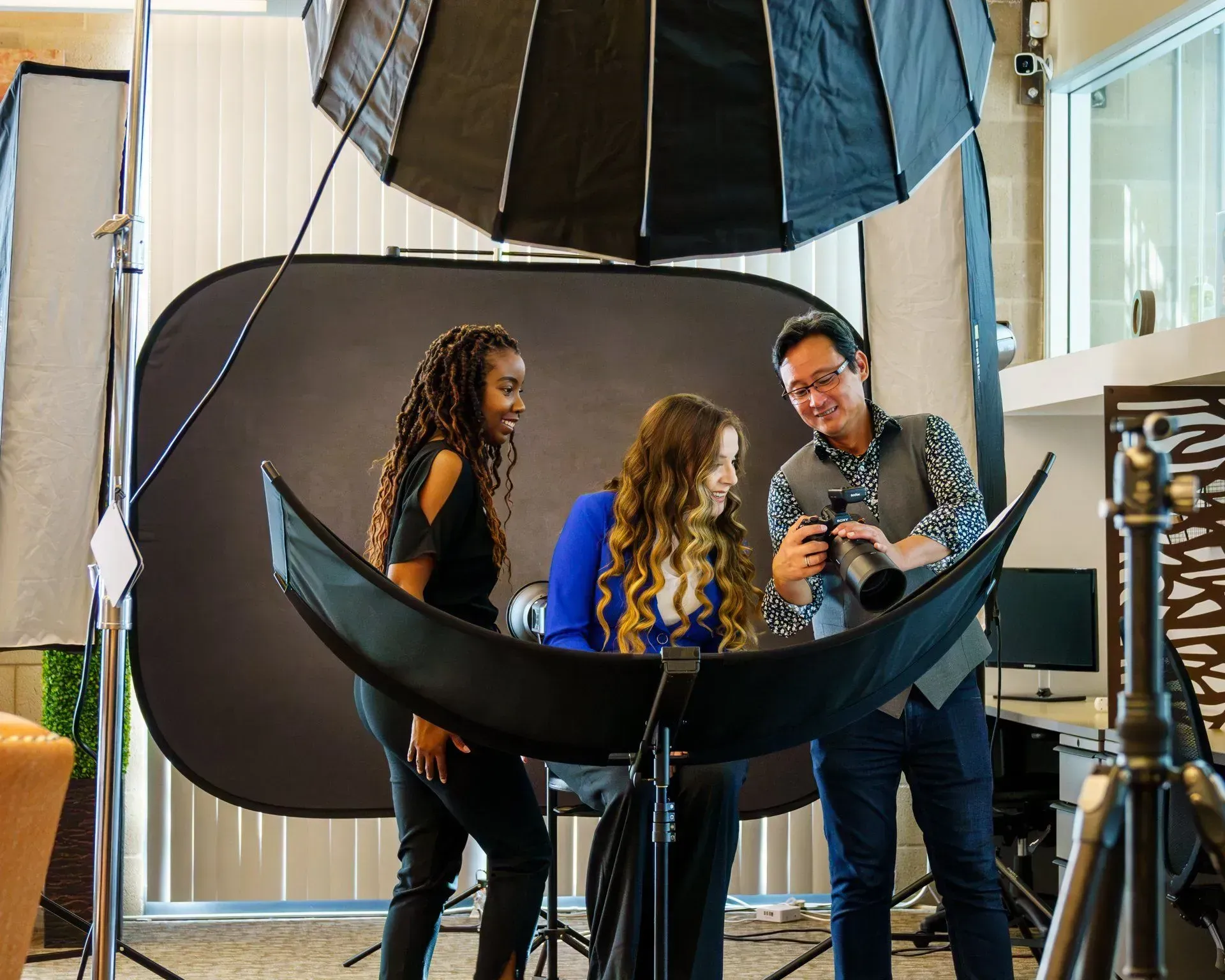
Many accomplished professionals worry about posing because they are used to being evaluated on their work, not photographed for it. That is precisely why direction matters. A premium photography experience should remove the pressure to know what to do with your hands, where to look, or how much to smile.
Effective direction is specific and easy to follow. Small adjustments to posture, chin angle, hand placement, and eye line can make an enormous difference. The goal is not to turn you into a model. It is to help the camera capture the poise that your colleagues and clients already see in person.
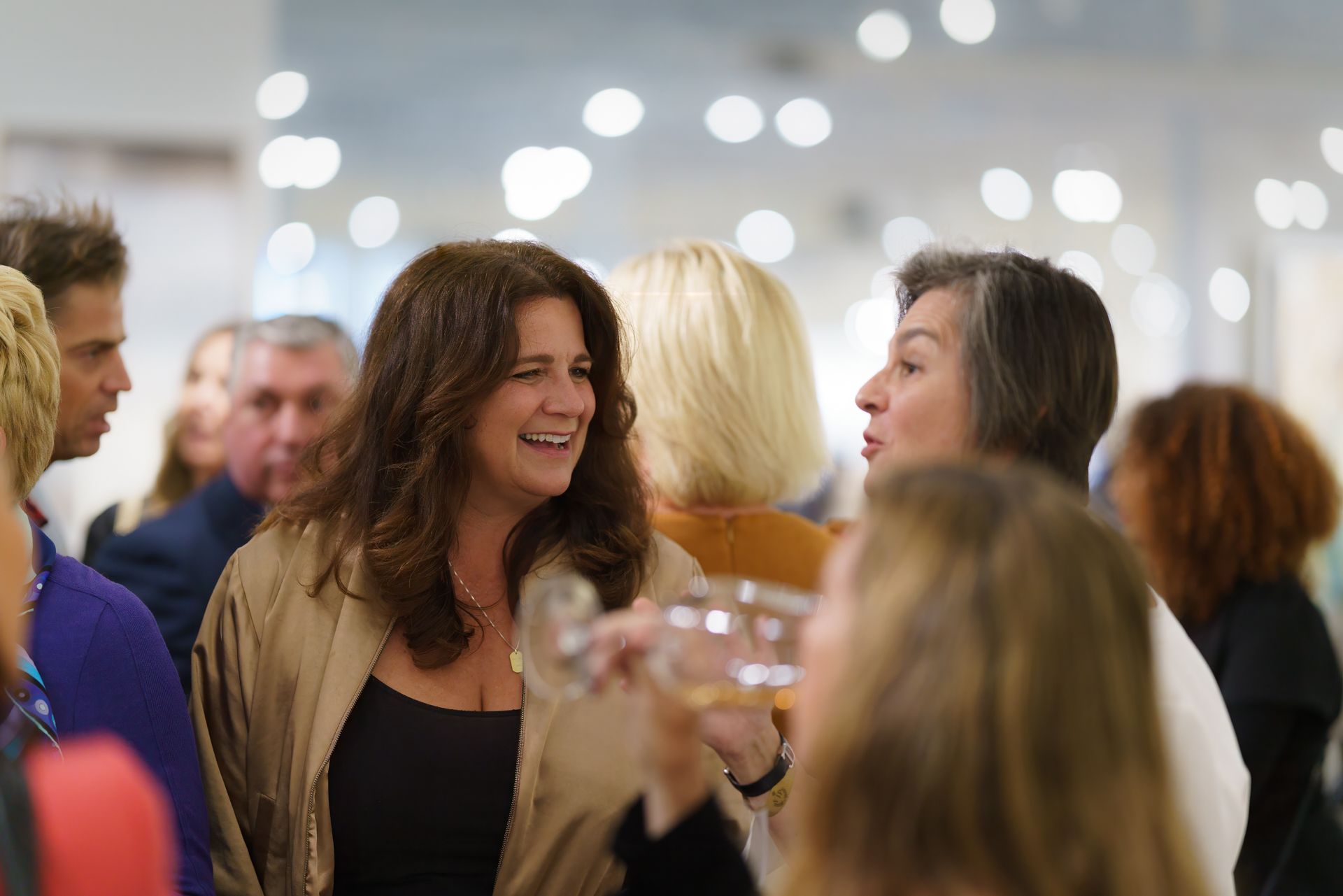
A well-paced session balances guided portraiture with natural movement. You might be photographed walking into a meeting space, reviewing notes, arranging products, speaking with a colleague, or simply pausing near a window. These moments can feel more relaxed than a static portrait and often create the strongest supporting images for a website or campaign.
Location matters here. A home office can be personal and practical, but it needs enough light and visual order to support the final look. A rented studio offers control and consistency. Your office, a hotel, or an architectural exterior may add credibility and context. The best setting is not necessarily the most dramatic one. It is the setting that makes the intended message believable.
Retouching Should Refine, Not Rewrite
Professional retouching is where a finished image gains its final polish. It can reduce temporary distractions, balance skin tone, soften shine, refine color, and maintain a cohesive look across the gallery. It should still leave you recognizable.
Over-retouching creates a particular problem in personal branding: the image may look impressive in isolation but feel disconnected when someone meets you in person or joins a video call. Authenticity is not the absence of refinement. It is the discipline to refine what distracts without erasing the details that make your face your own.
Ask about proofing and delivery before booking. A clear selection process, thoughtful retouching, and files prepared for different uses save time after the session. It is helpful to receive high-resolution files for print and presentation needs, along with web-ready versions that are easy to use across digital channels. Naming, cropping, and organizing images well can be a small but meaningful advantage for busy teams.
Treat Your Image Library as a Working Business Asset
Brand photography delivers greater value when it is used consistently. A single excellent portrait can improve a LinkedIn profile. A planned library can support months of communication: a new service announcement, a conference appearance, an article byline, a recruiting campaign, an email signature update, or a refreshed about page.
That is why it is wise to revisit your images as your role changes. A promotion, new business direction, major rebrand, expanded team, or shift in how you serve clients may call for new photography. For fast-moving personal brands, an annual session can keep your visual presence current. For others, a smaller refresh every year or two may be sufficient. It depends on your visibility, marketing cadence, and how much your appearance or positioning has changed.
For distributed companies and teams with several locations, consistency becomes an operational concern as well as a creative one. Art of Portraits coordinates premium, brand-conscious photography across markets, helping organizations maintain a unified visual standard without asking every office to solve the production process independently.
Your image does not need to be louder to be more memorable. It needs to be clear, current, and unmistakably aligned with the professional experience you offer. Choose photographs that let people see the confidence, care, and capability behind your name before the conversation begins.
Elevate Your Brand
Authentic commercial and branding photography is essential for modern businesses. When your visuals reflect real people and real experiences, your brand becomes more memorable and trustworthy.
Commercial & Branding Photography starts at $850.
Pricing may vary based on scope, usage, team size, and licensing needs.
Share