How a Family Portrait Photographer Creates Art
The best family portraits rarely begin when the camera comes out. They begin with a decision to pause, gather the people who matter most, and preserve a season of life with intention. A family portrait photographer does more than arrange faces in a frame. They create space for connection, guide the details without making the experience feel rigid, and turn a fleeting moment into artwork that belongs in your home.
For busy families, that combination matters. Children change quickly, milestones arrive quietly, and full schedules can make meaningful documentation feel easy to postpone. A refined portrait session gives those memories the attention they deserve while keeping the process organized, calm, and enjoyable.
What a Family Portrait Photographer Is Really Creating
A polished portrait should feel elevated without feeling distant from the people in it. The goal is not to make every child sit perfectly still or to create a collection of expressions that look identical. It is to capture the character of the family - the warmth between parents, a child’s unmistakable grin, the confidence of a graduating senior, or the subtle bond shared across generations.
That requires an artist’s eye and a well-managed process. Composition, light, wardrobe, location, and timing all shape the final image. Just as importantly, the photographer needs to recognize when a slightly imperfect moment contains more truth than a technically flawless pose. A child laughing at the wrong time, siblings leaning together naturally, or grandparents watching their family gather can become the image people return to for years.
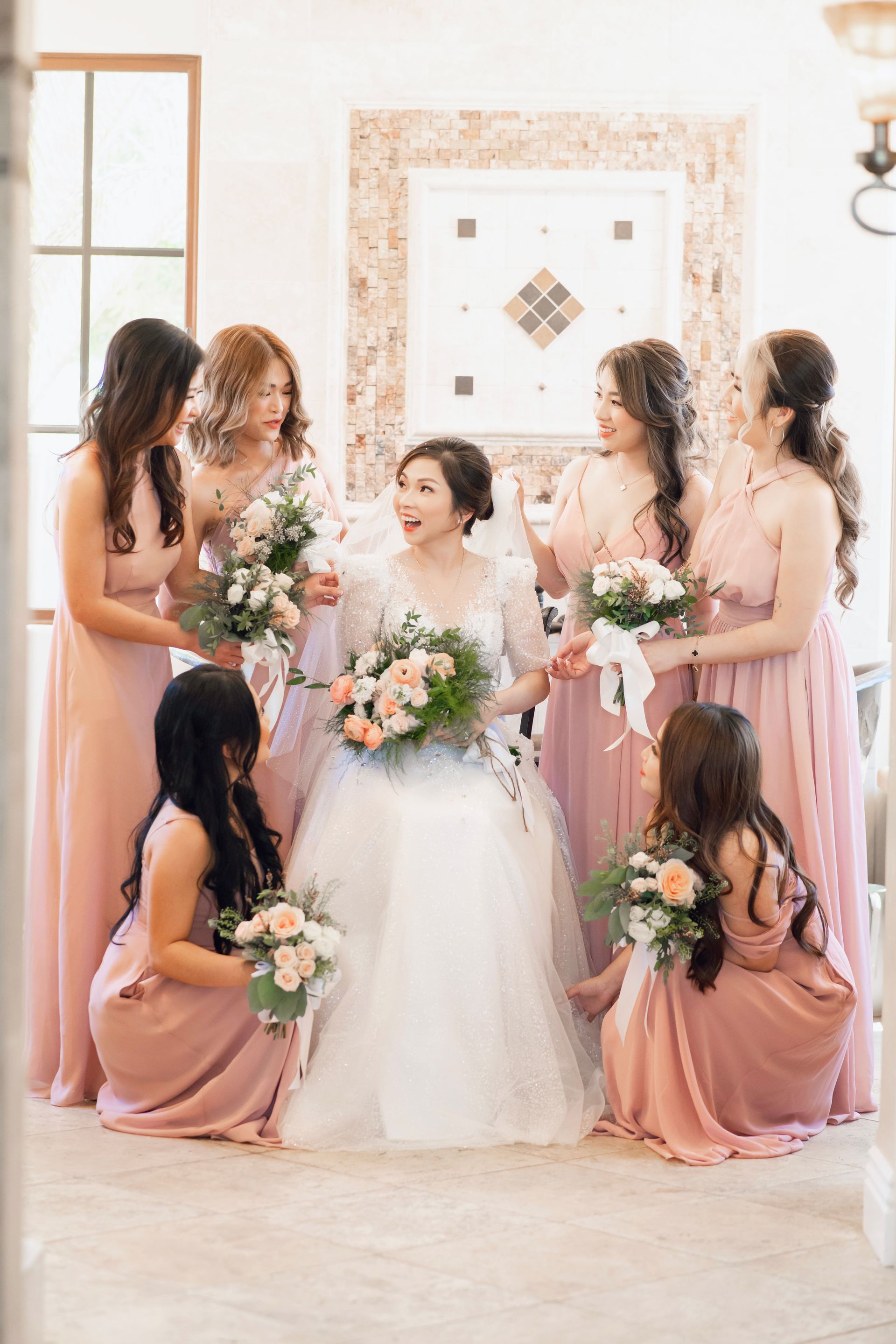
The strongest galleries have range. They include a few beautifully composed portraits for the wall, as well as candid, expressive images that bring the day back to life. This balance gives a family photographs that feel both editorially polished and personally authentic.
Begin With a Clear Portrait Vision
A successful session is a collaboration, not a guessing game. Before selecting a date or location, consider what you want the photographs to say. Is this a yearly portrait tradition, a celebration of a new baby, an anniversary gift for grandparents, or a long-awaited reunion? The purpose affects the pacing, groupings, setting, and final presentation.
A thoughtful consultation can make planning remarkably simple. It establishes who will be photographed, the preferred visual style, any accessibility considerations, and the images that matter most. For example, a multi-generational session may require a more efficient sequence so grandparents and young children are photographed early. A session centered on young siblings may benefit from more movement, play, and a shorter shooting window.
It also helps to be honest about your family’s real rhythm. If a toddler is happiest in the morning, schedule accordingly. If one family member is camera-shy, a photographer can build in a gentler approach rather than expecting instant comfort. These details are not complications. They are the information that allows a session to feel personal and well directed.
Choose the setting for the feeling, not just the backdrop
Location shapes mood. A home can give portraits a quiet intimacy, especially for newborn sessions or families who want their photographs rooted in everyday life. A park, beach, garden, or city setting can offer scale, movement, and a more expansive visual story. A studio provides control over lighting, weather, and background, making it an excellent choice for timeless, art-directed work.
There is no universally right setting. An outdoor location may offer beautiful natural light but requires flexibility around weather and crowds. A studio simplifies logistics and creates a clean visual focus, but it may not suit a family hoping for a more relaxed, environmental feel. The best choice is the one that supports your family’s personality and the way you intend to display the images.
Wardrobe Should Feel Coordinated, Not Costumed
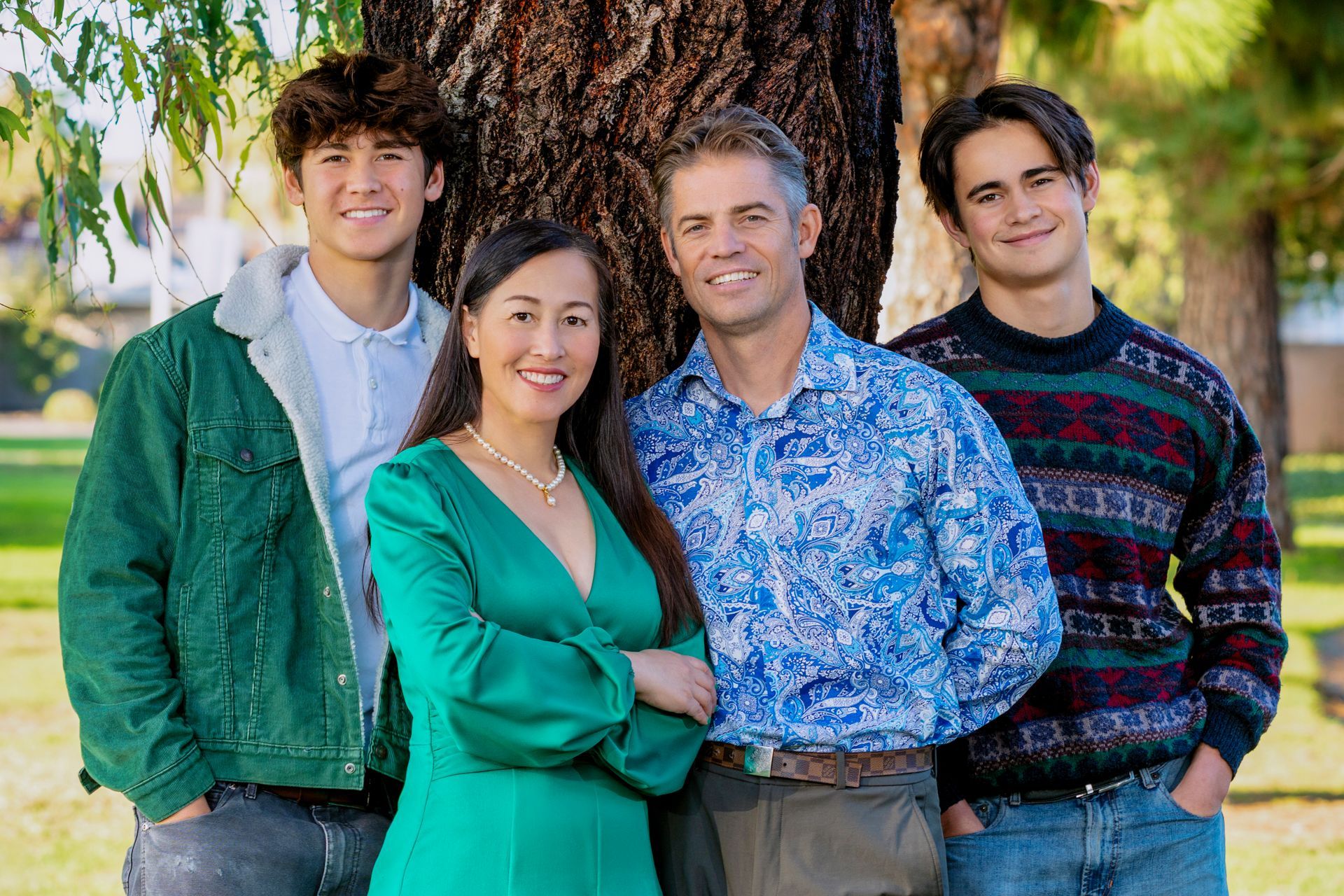
Clothing has an outsized effect on a portrait, yet it should never distract from the people wearing it. Rather than matching everyone in the exact same color, build a coordinated palette with complementary tones and varied textures. Soft neutrals, rich earth tones, muted blues, and classic jewel tones often photograph beautifully because they create harmony without flattening the image.
Avoid large logos, highly reflective fabrics, and busy patterns that pull attention away from faces. Consider how outfits will work when people stand close together, sit, or hold a child. Layers can add dimension, while tailoring and proper fit help everyone look composed without appearing overstyled.
Most importantly, choose clothing that lets each person feel like themselves. An elegant portrait can still include a child’s favorite comfortable shoes or a parent’s signature style. Confidence reads clearly on camera. When people feel constrained by an unfamiliar outfit, it tends to show.
Direction Makes Natural Moments Possible
Many people worry that they are not photogenic because they do not know how to pose. That is precisely where professional direction changes the experience. You should not have to invent poses, manage everyone’s attention, or monitor whether your hands look awkward. A seasoned photographer provides clear, flattering guidance while leaving room for spontaneous interactions.
The process often starts with composed groupings. Once those essential images are secured, the session can become more fluid: walking together, sharing a private joke, lifting a child, or simply looking at one another rather than the camera. Small adjustments to posture, hand placement, chin angle, and spacing create a major difference, but they should be delivered in a way that feels easy to follow.
For children, cooperation is rarely the point. Engagement is. A good photographer uses prompts, conversation, movement, and patience to meet children where they are. Some children warm up slowly; others have energy to spare. Both can produce exceptional images when the session has enough flexibility to work with, rather than against, their personalities.
Keep the session paced for real families
Portrait sessions should have structure, but not so much structure that everyone becomes tired or tense. Begin with the largest group while everyone is fresh. Then photograph key pairings: parents together, each parent with the children, siblings, and individual portraits. If grandparents are present, their individual connections with children and grandchildren deserve dedicated attention.
A little preparation goes a long way. Bring water, a simple snack for young children, and any necessary comfort item. Keep screen time and high-sugar treats for after the session when possible. The goal is not perfection. It is to give the family enough comfort and energy to remain present with one another.
The Final Images Deserve a Refined Finish
Professional portraiture continues after the session. Careful image selection, color refinement, and thoughtful retouching transform a strong photograph into a finished piece of art. Retouching should preserve the reality of the people photographed while removing temporary distractions such as a stray hair, minor blemish, or distracting background element.
The distinction matters. Over-editing can erase texture, personality, and the features families recognize and love. A refined finish preserves natural skin, authentic expressions, and the emotional tone of the moment. It simply ensures that the image is presented at its best.
Proofing should also feel straightforward. A well-organized gallery makes it easier to compare favorites, select images for printing, and choose a collection that tells a complete story rather than leaving meaningful photographs forgotten on a hard drive. Art of Portraits approaches this final stage with the same care given to planning and photography, because a portrait’s impact is realized when it is seen, shared, and displayed.
Make Room for the Portraits You Want to Keep
The value of family portraiture changes over time. At first, you may notice the color palette, the smiles, or the way everyone came together for an afternoon. Years later, you may see the small details that could not be recreated: a child’s missing front tooth, a parent’s familiar expression, the people who were present in one meaningful frame.
Choose a photographer who brings both artistry and reassurance to the process. With a clear vision, considered planning, and room for your family to be fully itself, the session becomes more than an item on a calendar. It becomes a chance to honor the life you are living now, before it becomes the memory you wish you had photographed.
Share